
When to board
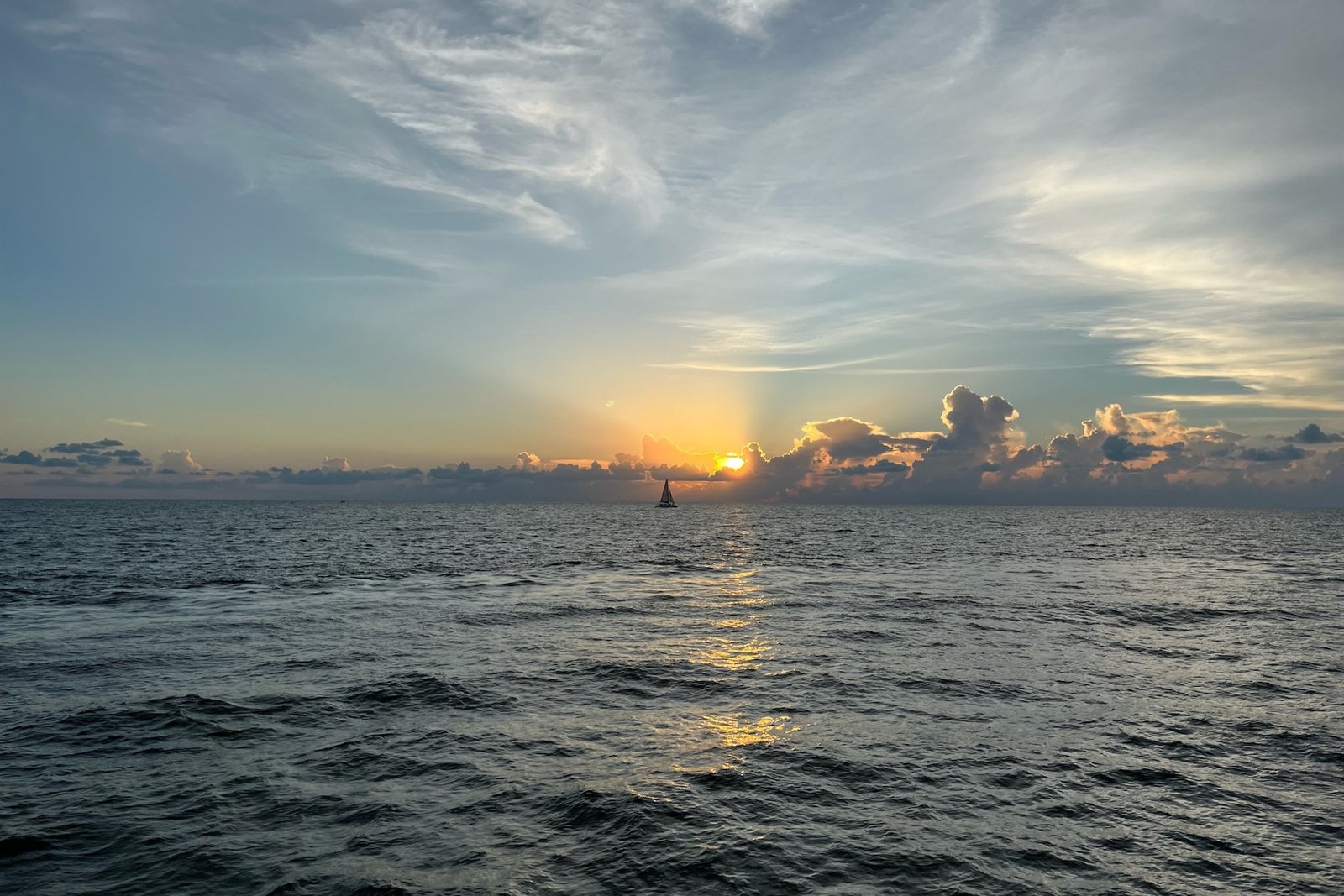
You want to be on the water roughly 30–45 minutes before the actual sunset, so you catch the golden build-up, the sunset itself, and the colorful afterglow that often follows. Our cruises are scheduled around this automatically — the departure time is set to the evening’s sunset.
How the season shifts the time
Sunset in Naples ranges from around 5:30 p.m. in midwinter to past 8 p.m. in midsummer, so the departure time moves through the year. The live booking screen always shows the correct time for your date; when in doubt, call and we’ll tell you exactly.
| Time of year | Sunset is around | Cruise feel |
|---|---|---|
| Midwinter (Dec–Jan) | 5:30–6:00 PM | Late-afternoon departure |
| Spring (Mar–May)* | 7:30–8:00 PM | Early-evening departure |
| Midsummer (Jun–Jul) | 8:10–8:25 PM | Evening departure |
| Fall (Sep–Nov)* | 6:00–7:30 PM | Late-afternoon to evening |
Times are approximate. *Daylight saving time (mid-March to early November) shifts the clock time about an hour later. The booking screen always shows the exact, sunset-timed departure for your date.
Best time of year for color
Every Naples sunset is good, but the most dramatic skies often come when there’s a little high cloud to catch the light, and the cooler, drier months tend to deliver crisp, clear sunsets. Honestly, though, there’s no bad season — see our guide to the best sunset cruises in Naples.
From the Helm: Timing the run out Gordon Pass before a Naples sunset
Timing the run out Gordon Pass before a Naples sunset
The decision we make every evening isn’t what time sunset happens — that’s just math off a chart. It’s how long the run out Gordon Pass will take against whatever the tide is doing at the moment, because an outgoing tide through that pass can add a real push of chop right where you want calm water for the first photos. On a strong ebb we’ll leave the dock a little earlier and idle more, so you’re parked and settled in open water well before the color starts, instead of still finding your footing.
Wind direction matters just as much as the clock. A west wind straight off the Gulf stacks a short, choppy swell right at the mouth of the pass, so on those evenings we’ll swing the boat to sit broadside to the last light instead of nosing straight into it, which keeps the ride comfortable and actually gives a better angle for photos than facing the sun dead-on. A calm evening lets us push further out and just drift. Either way, the captain is making small course corrections the whole time — you just experience it as a smooth, unhurried float.
You’ll notice the moment we cut the engine, because it’s usually quiet enough to hear it happen. That’s deliberate — we time the shutdown to hit right as the sun touches the horizon line, not a few minutes before or after, so the whole boat gets that hush at once instead of drifting into it mid-conversation. Guests at the rail tend to go quiet on their own right about then, phones up, and that’s usually the best five minutes of the whole ride for the color actually hitting the water around the hull.
Longer summer evenings change more than the clock — they change the route. With that much daylight left after boarding, we’ll often work farther out past the pass before turning back for the show, since there’s no rush to park early just to catch the light. On a short December evening we stay closer in, because the color moves fast and we’d rather be settled and steady than still running when it peaks. Same cruise, same boat, a genuinely different shape to the hour depending on the month.
All of that timing is built into the schedule before you ever book — the departure shown for your date already accounts for the season and the pass. What it can’t account for is the wind on the day, which is the piece the captain adjusts live. If you want the fuller picture of how we plan the evening around it, our sunset cruises page lays out the options, and the blog has more on timing your visit around it.