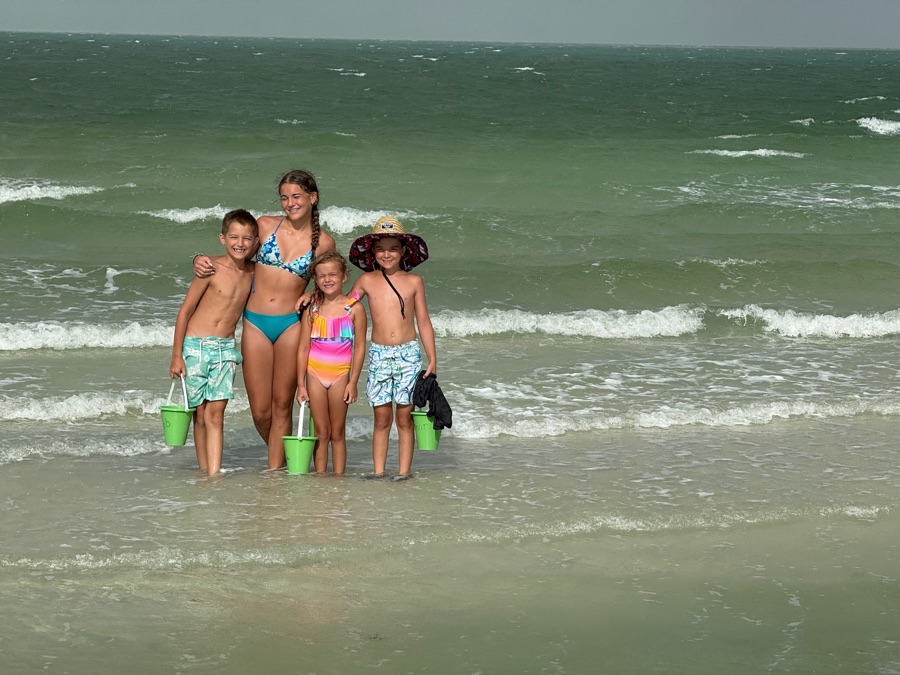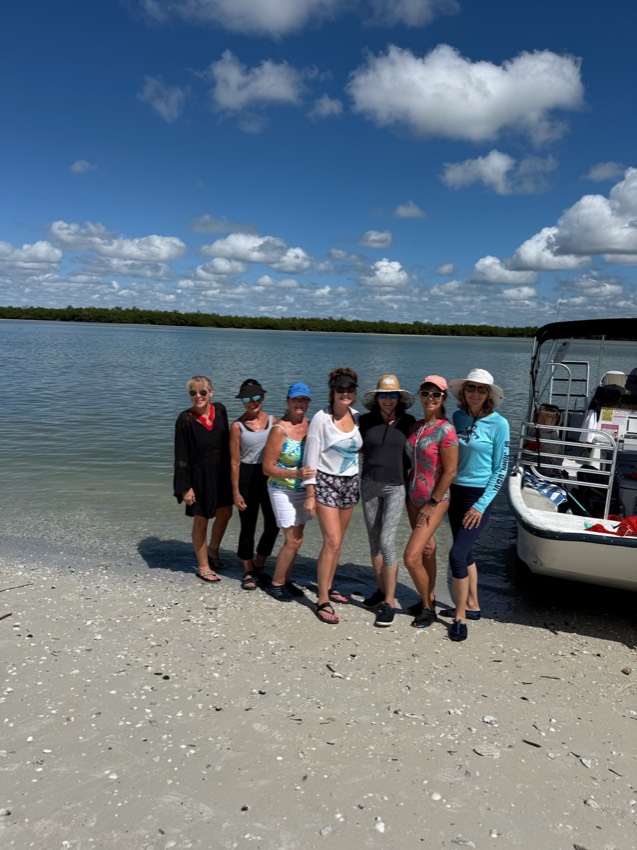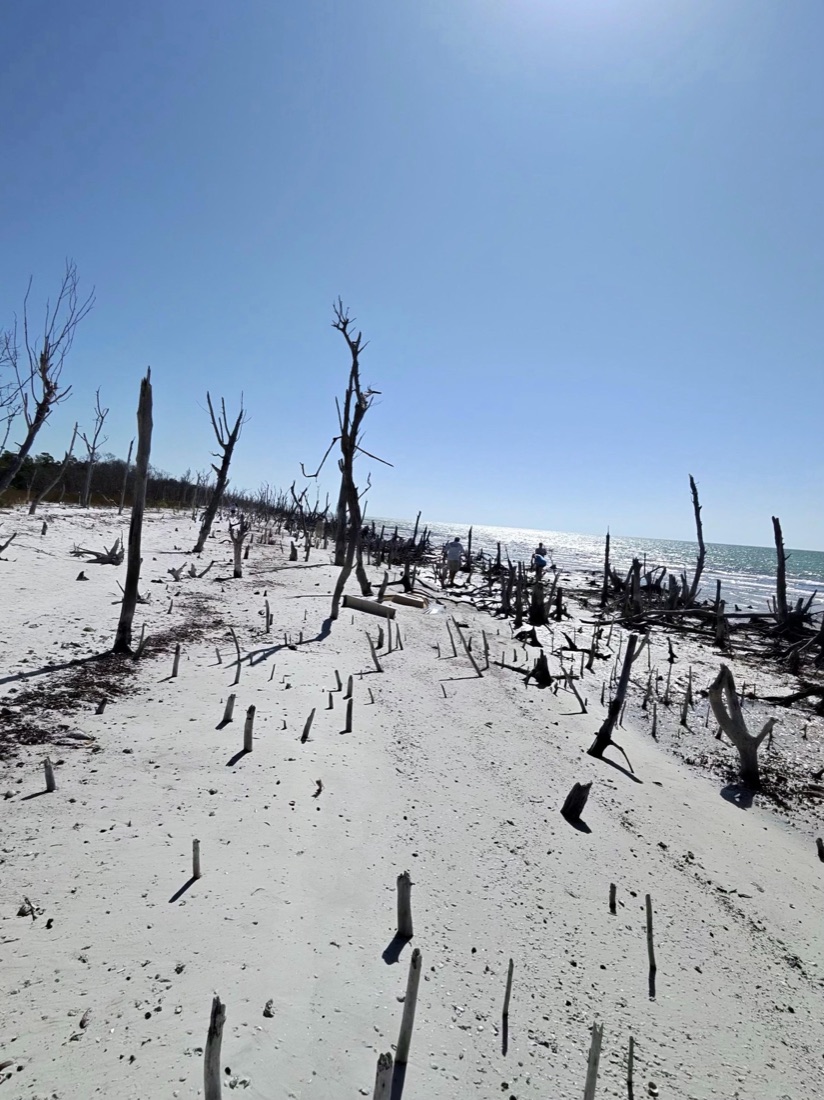
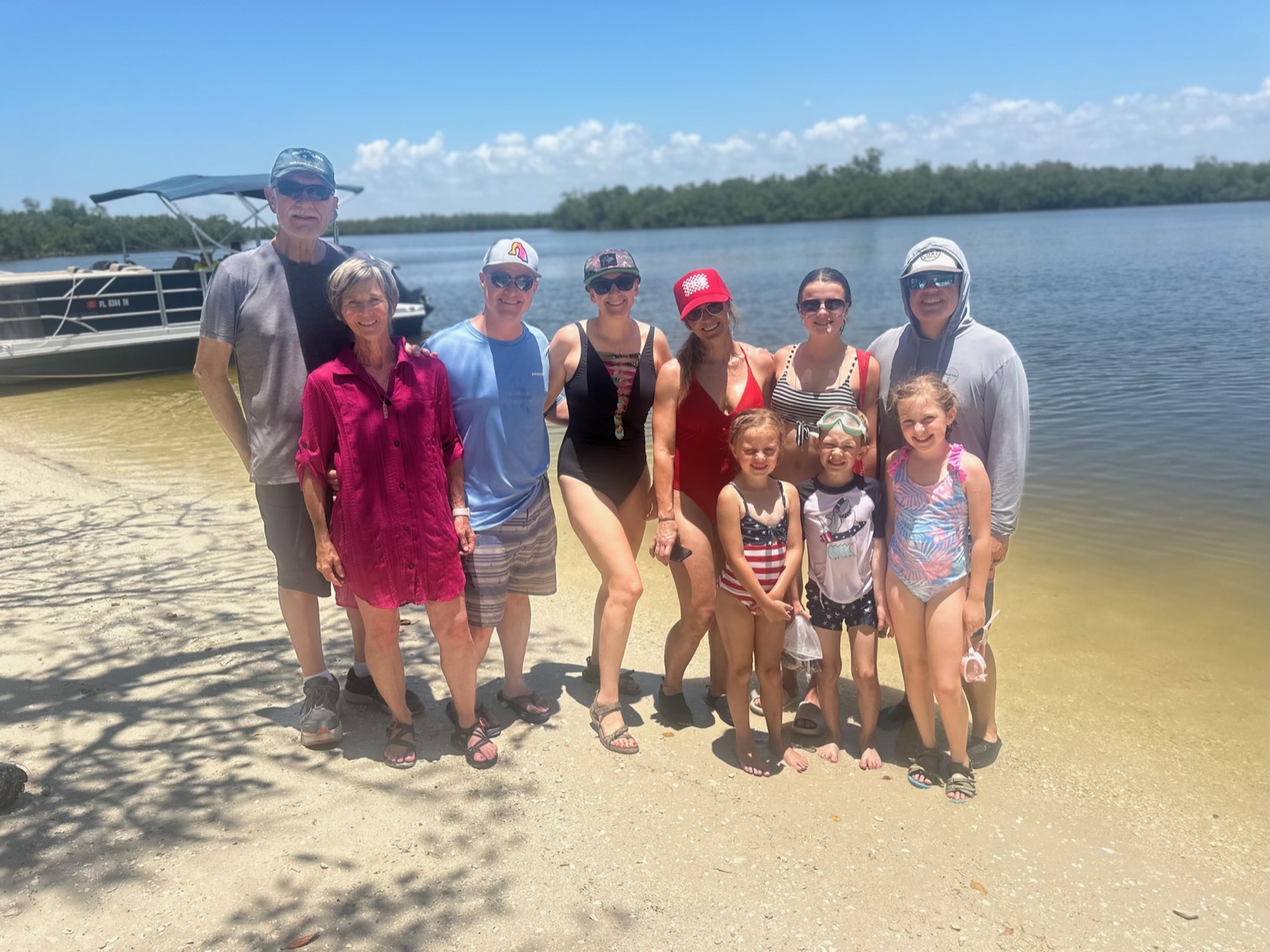
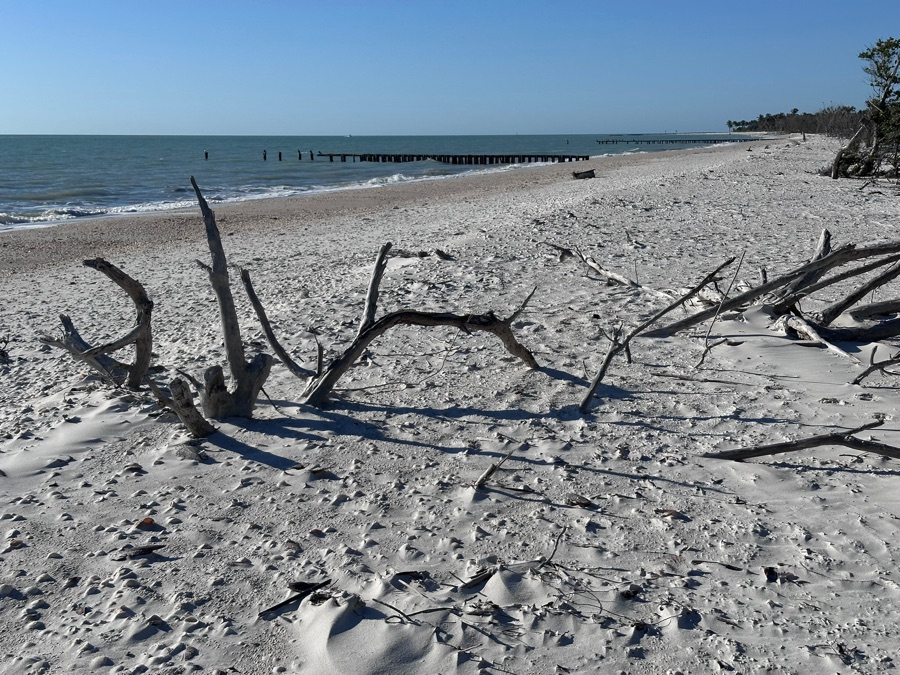
Every Keewaydin trip starts with the same call at the dock: bay side or Gulf side. Keewaydin has a long lagoon on its bay side and open beach facing the Gulf on the other, and which one we land on depends almost entirely on which way the wind is blowing that morning. An onshore wind kicks up a light chop on the Gulf beach that most guests barely notice, but a strong one can make wading and shelling harder, so we’ll swing around to the calmer lagoon side instead and let guests wade out from there. Guests who ask which side is the “better” one usually mean which side has more shells, and honestly that changes trip to trip depending on what the last few tides pushed up.
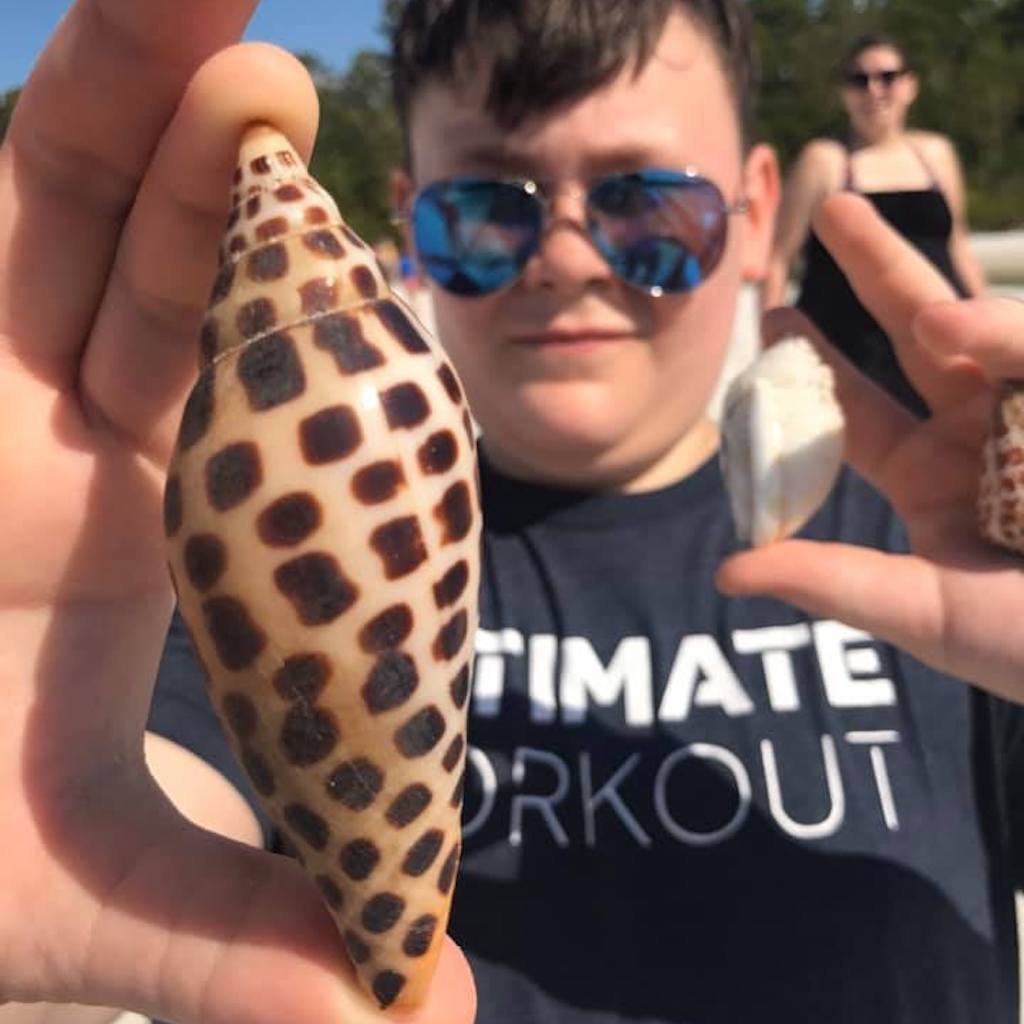
The lagoon side also floods and drains fast on a moon tide, and our captains watch that stage closely before nosing the bow into the sand. Beach too early on an incoming tide and you’ll spend half the visit watching the water creep back up toward your gear; time it right on the last of the falling tide and you get a wide, dry stretch of sand with a fresh wrack line still holding whatever the last few tides pushed up — empty shells only, by county rule, and that’s exactly how we like to leave them. We’ll often tell guests at the rail exactly why we picked that particular stretch of sand that morning, rather than just running to whatever spot worked last time.
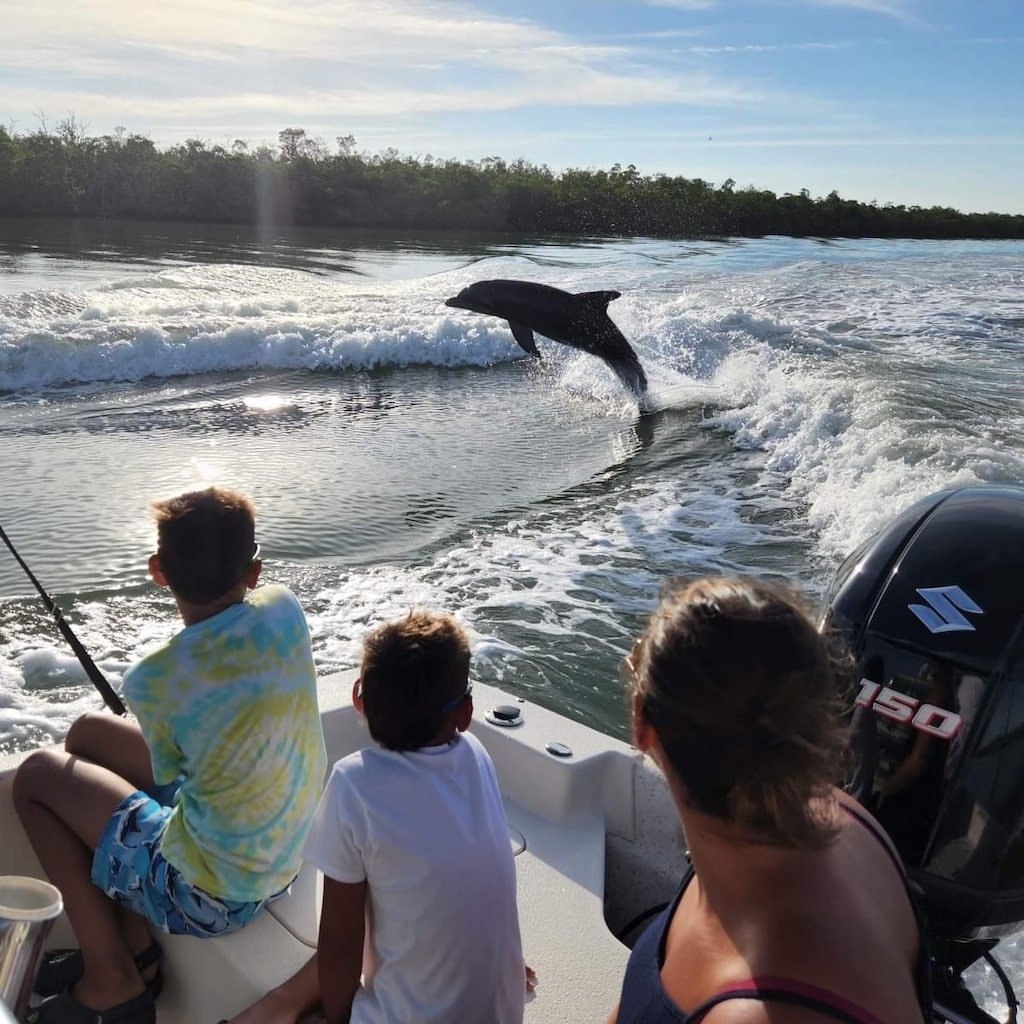
Running to Keewaydin from our Naples dock is a short hop, usually under twenty minutes once you clear the last marker, which is part of why it’s often the first stop we suggest for a half-day trip. From near Marco and Goodland the run is longer and crosses more open water, so guests coming from that side more often end up shelling elsewhere in the Ten Thousand Islands instead, saving Keewaydin for a day when Naples is the departure point, since it sits closer to that dock than to ours further south.
Rookery Bay sits just behind Keewaydin on the mainland side, and on a still morning you can watch wading birds working its edges from the boat before we ever reach the island itself. Our captains slow down through there on purpose, since it’s often the first place guests spot a heron stalking the shallows or an osprey folding its wings to dive, long before anyone’s even stepped foot on the sand at Keewaydin. On a falling tide you might also catch a raft of white pelicans riding the current instead of fighting it, usually worth idling a minute to watch before pushing on.
Whether we land bay side or Gulf side, the routine at the rail is the same: we cut the engine, guests step down the ladder into knee-deep water, and everyone fans out along the tide line. A shelling tour built around Keewaydin usually pairs well with a stop at another barrier beach on the same run, and our captains are always happy to talk through which combination fits the tide on your particular day.