
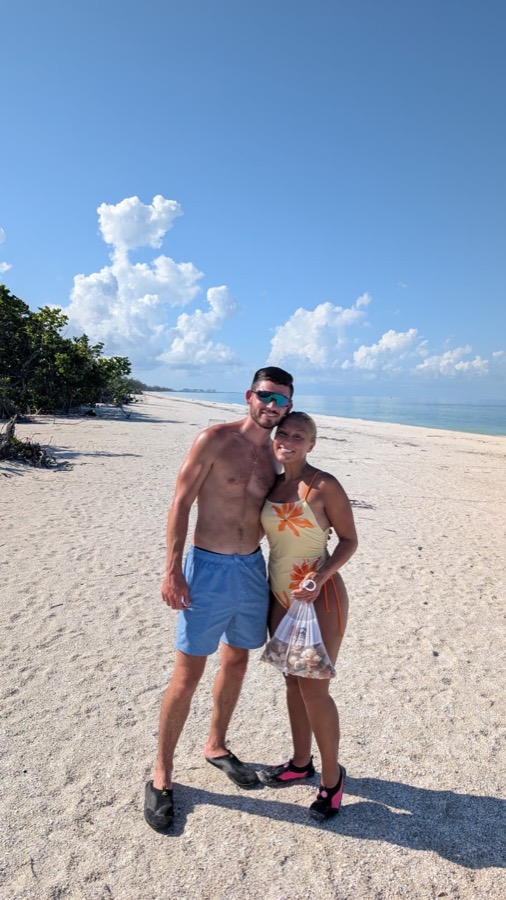
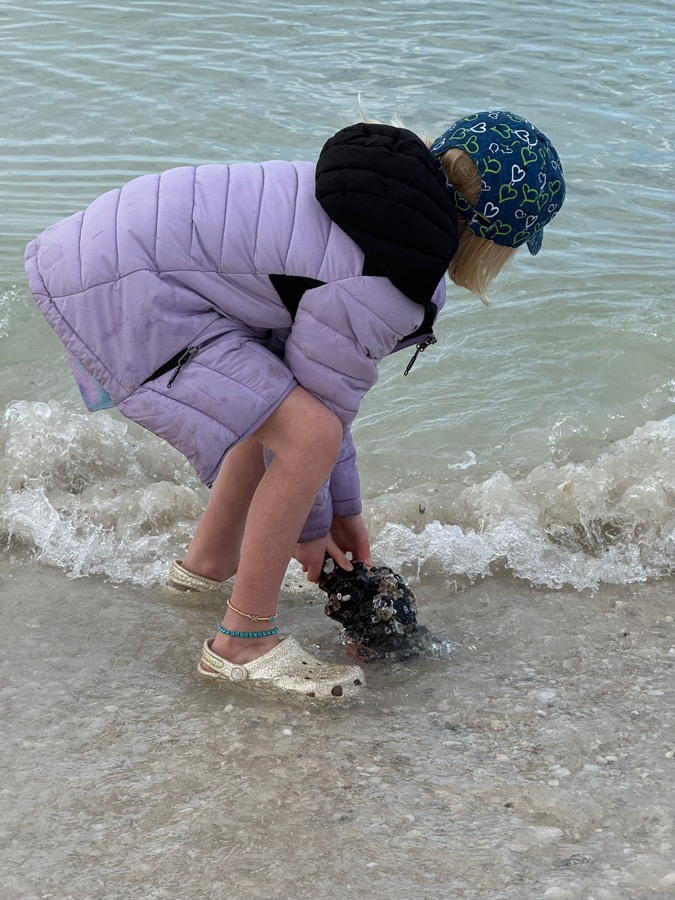
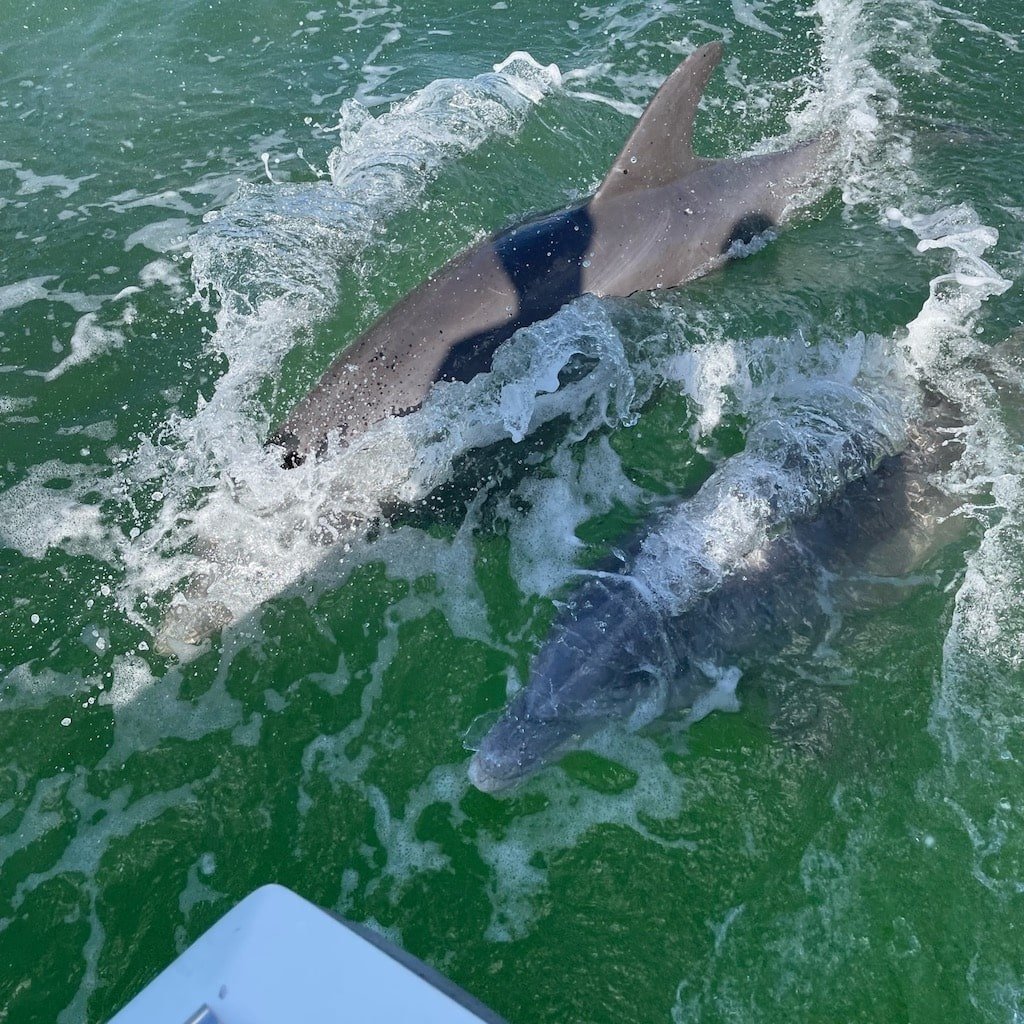
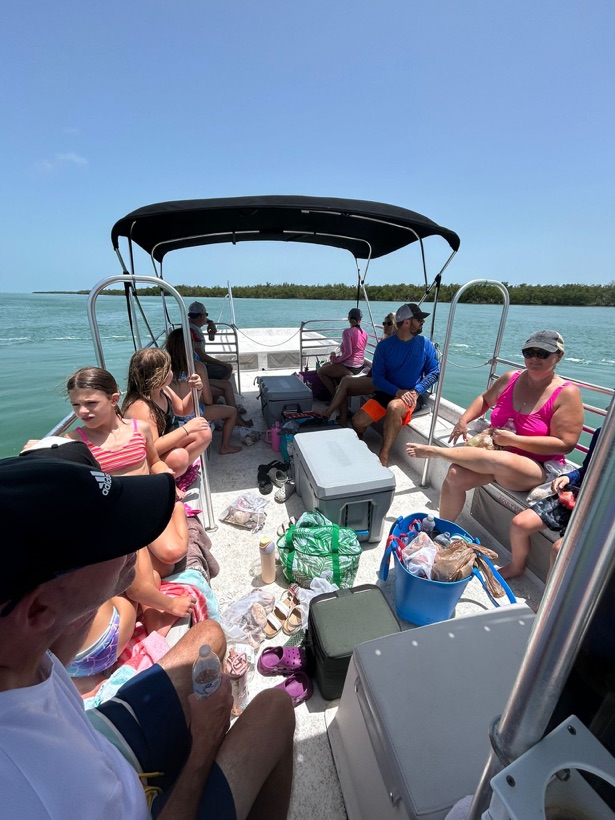
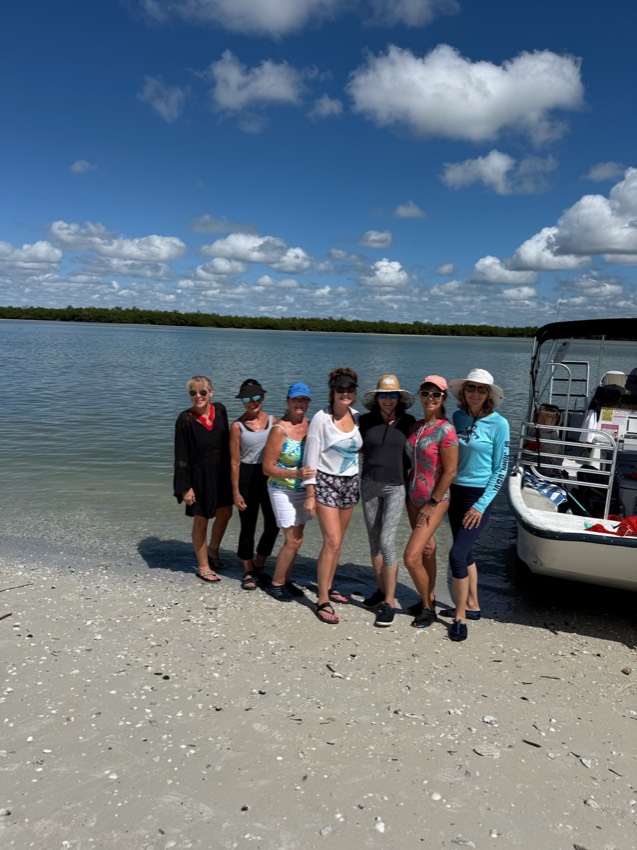
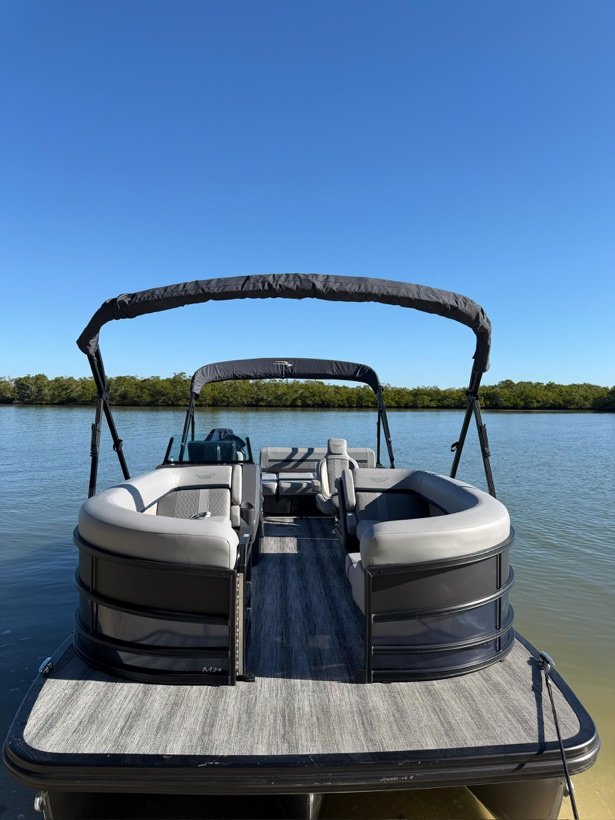
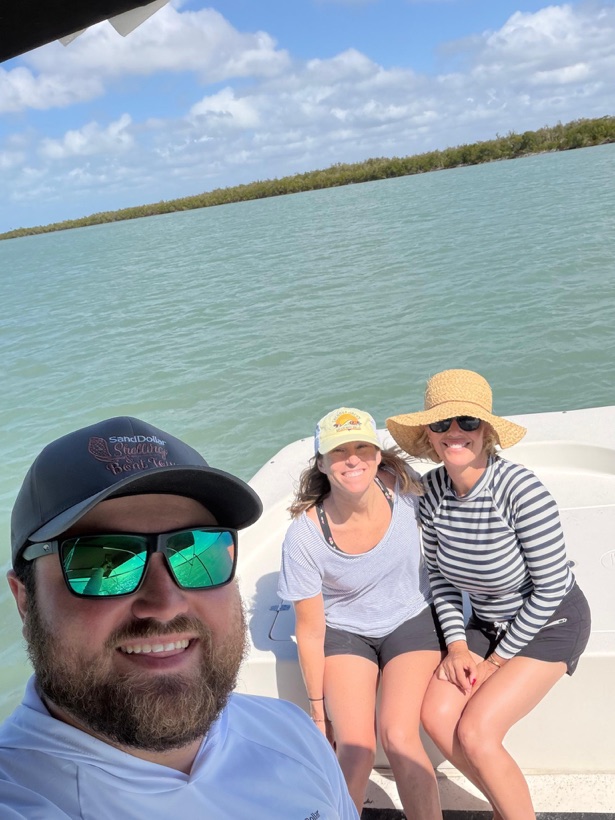
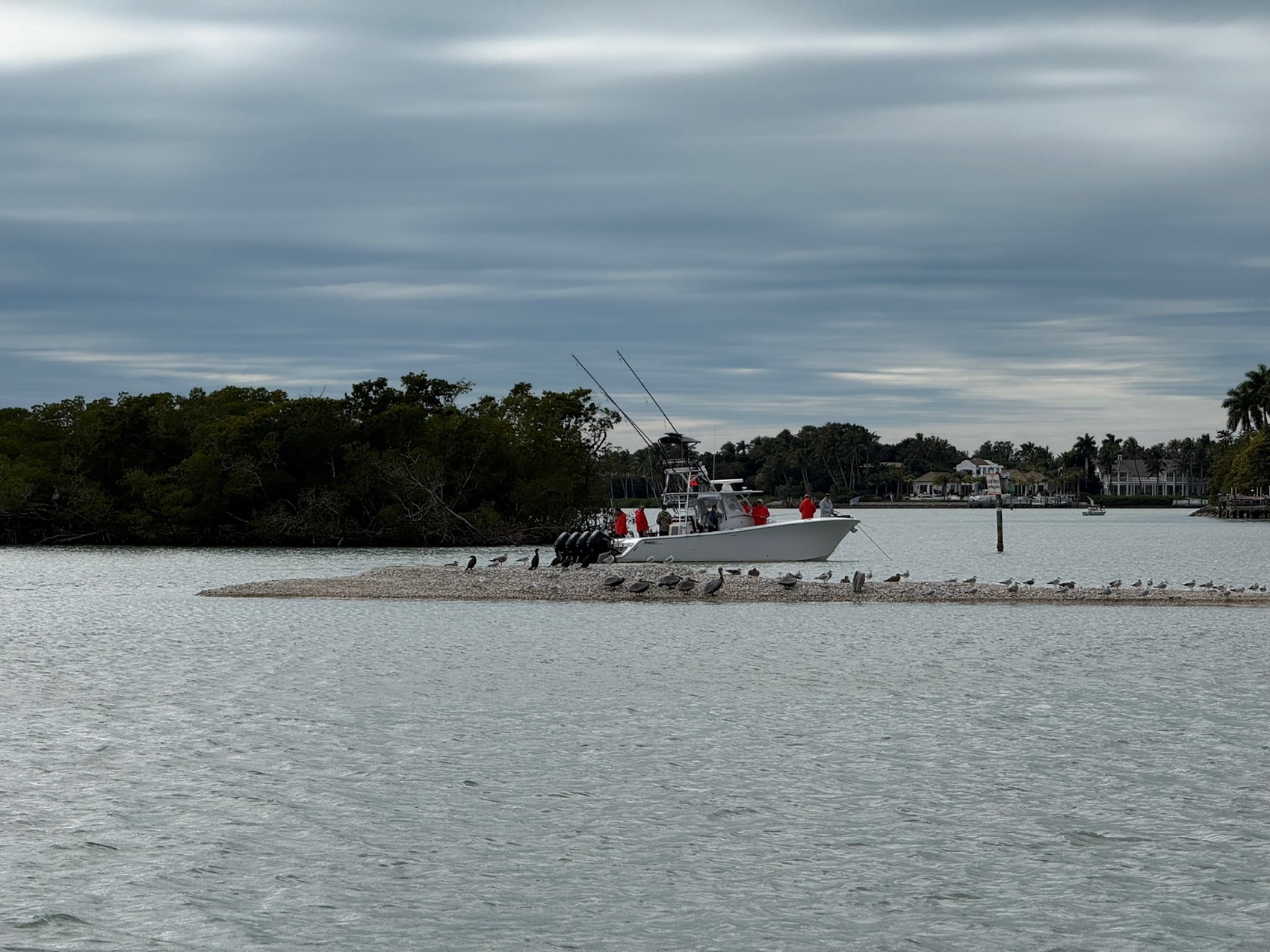
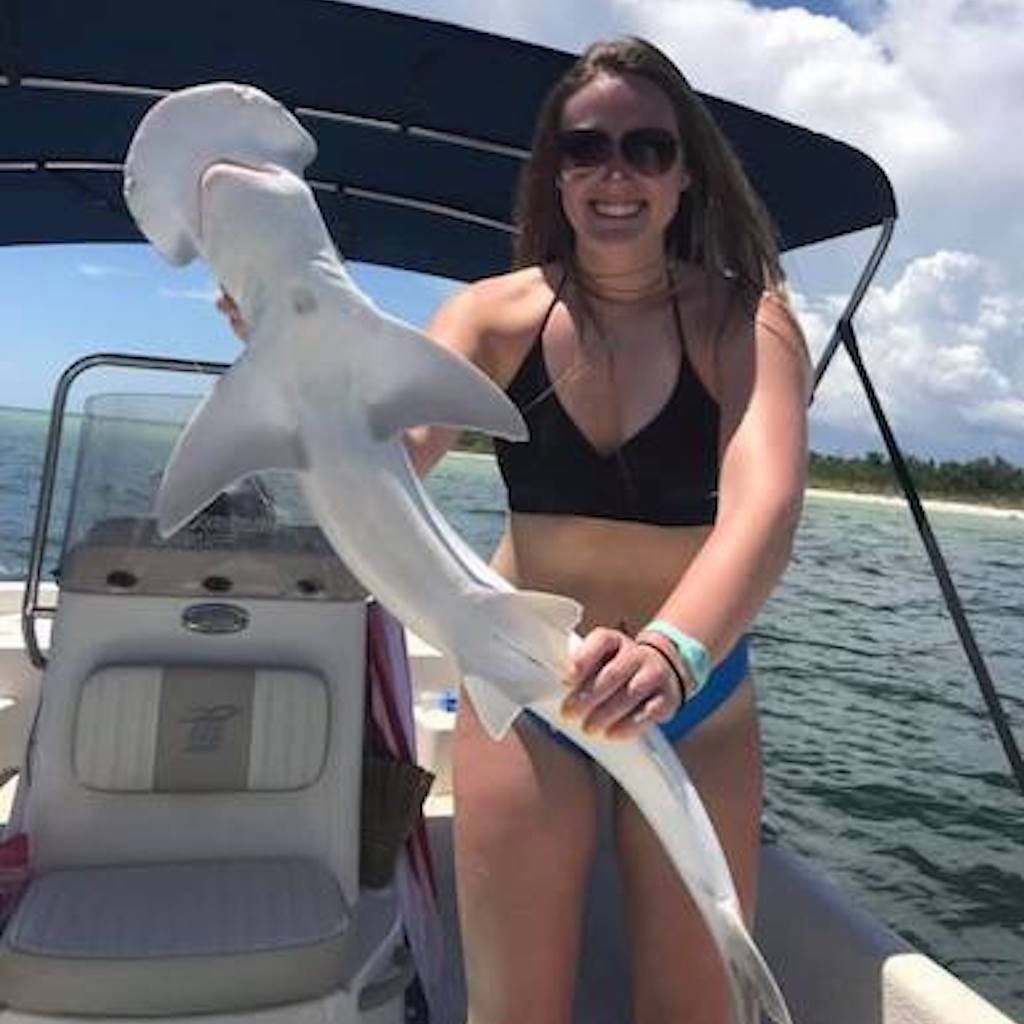
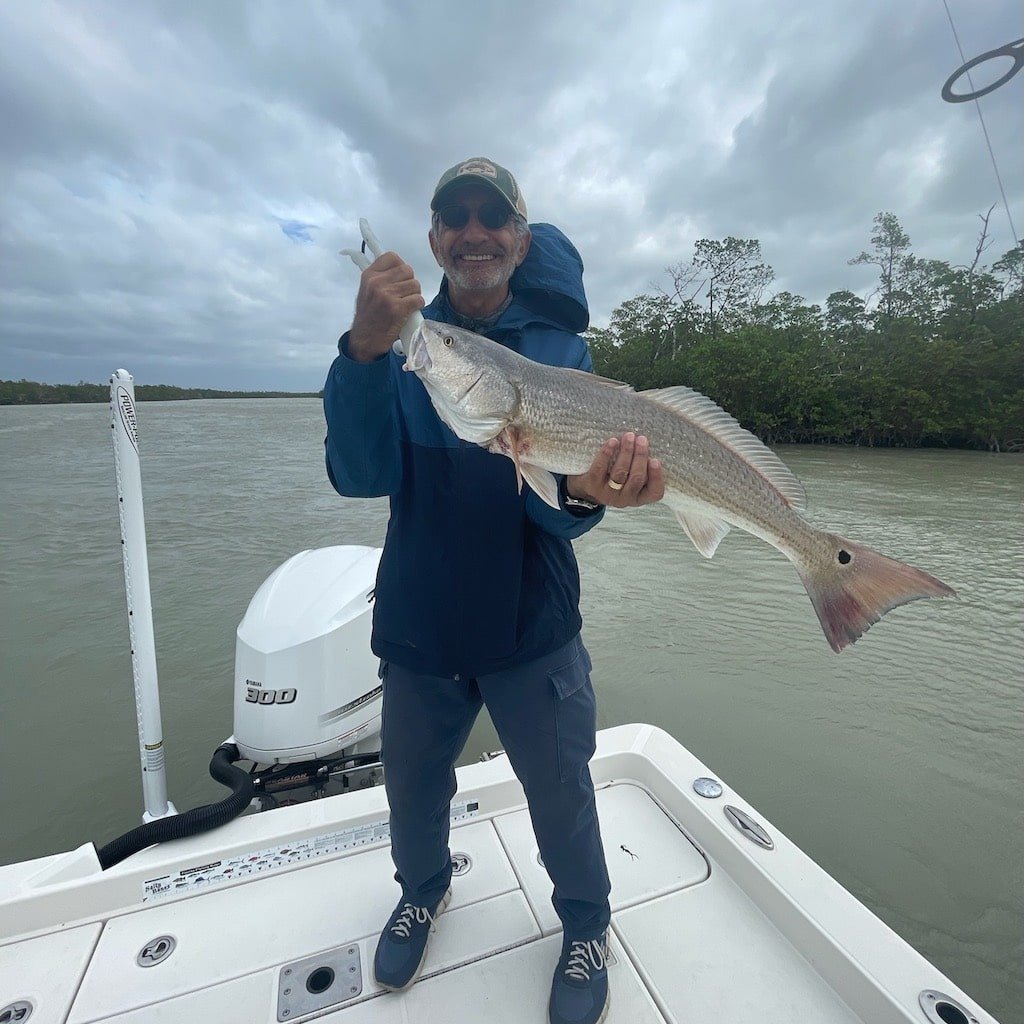
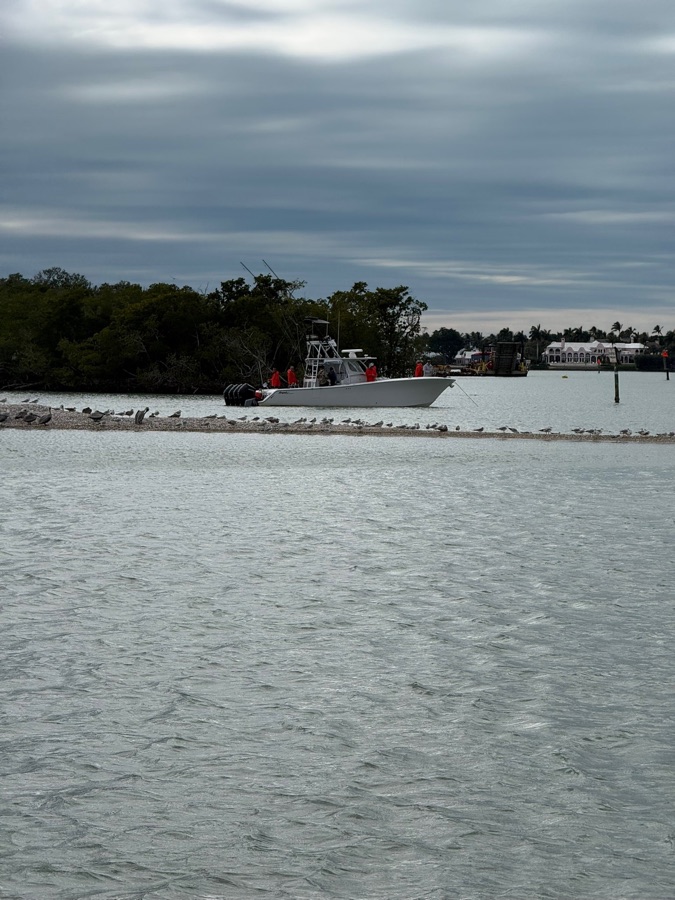
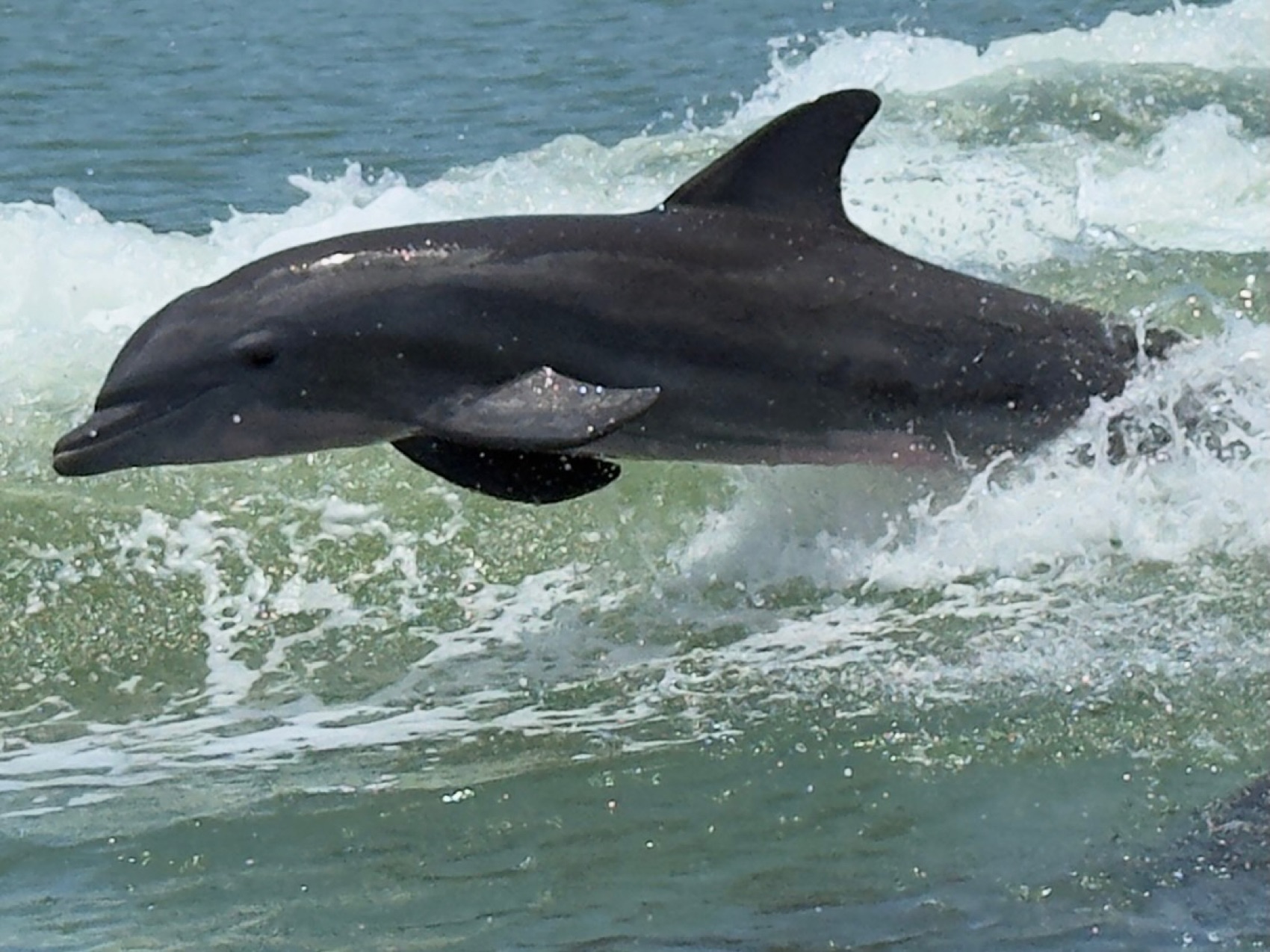
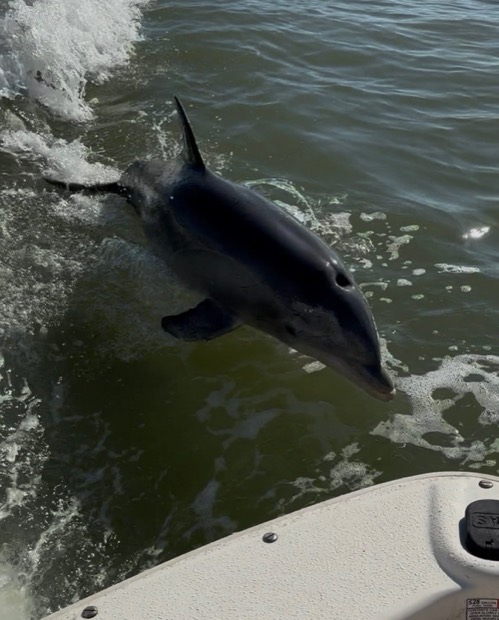
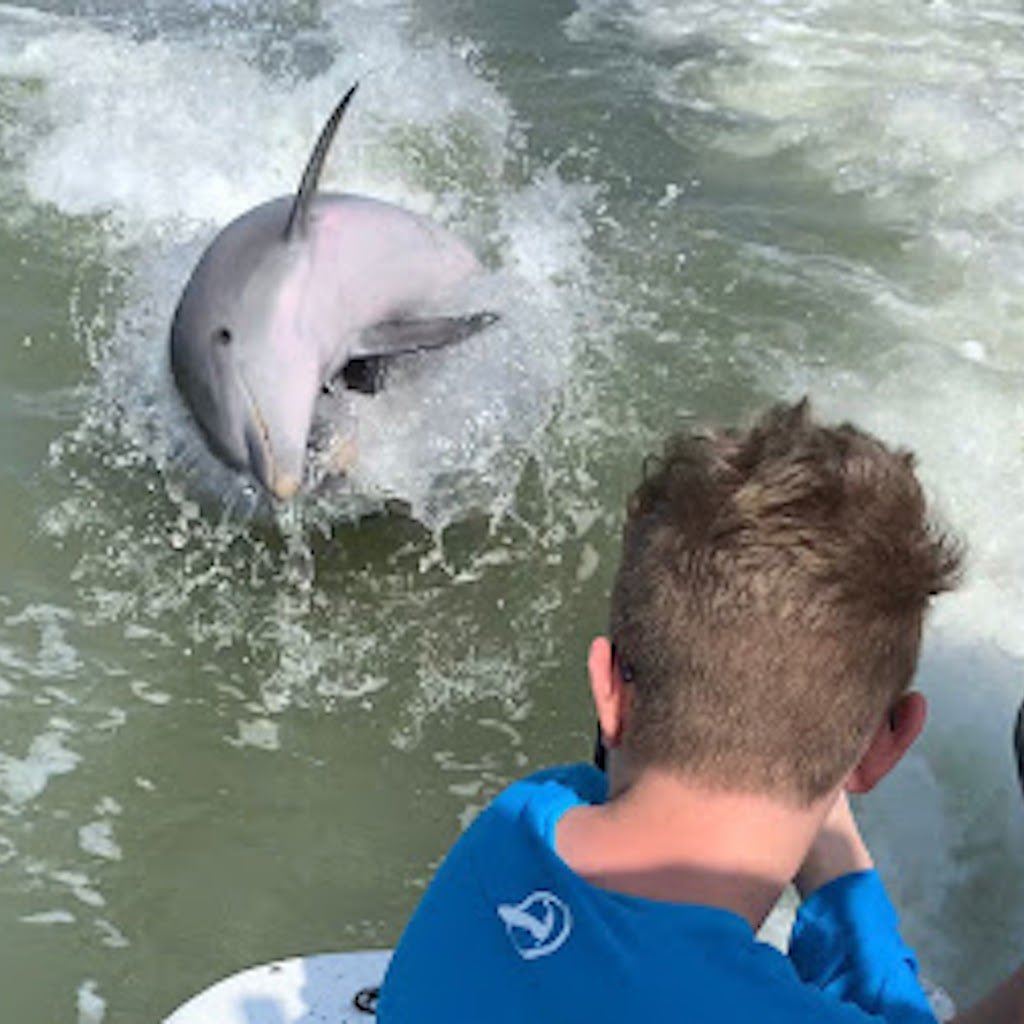
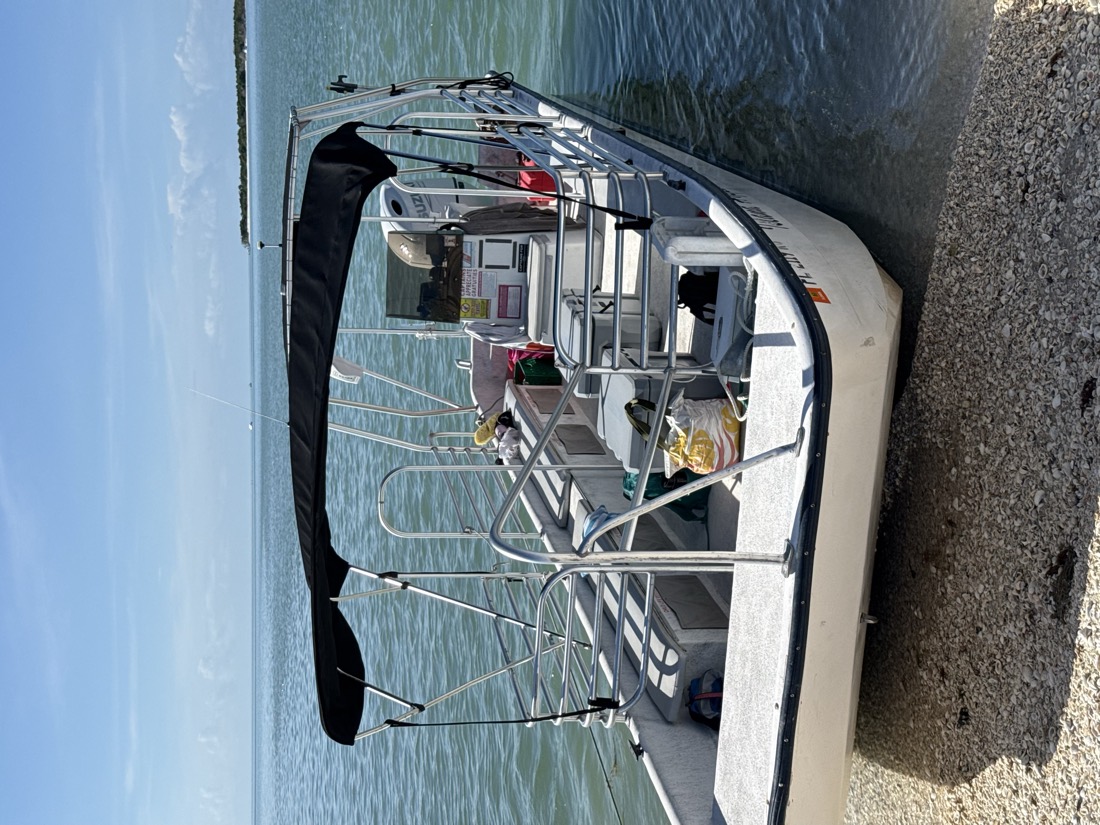
Every guide on this site starts the way a real trip does: with the tide book open on the bridge before a single line goes over the rail. We do not draft an article, decide it sounds good, and publish it regardless of the water. We check whether the tide is falling or flooding, which way the wind is blowing off Gordon Pass, and what the season is doing to the fish, the shells and the dolphins — and only then do we know which page on this site you actually need this week.
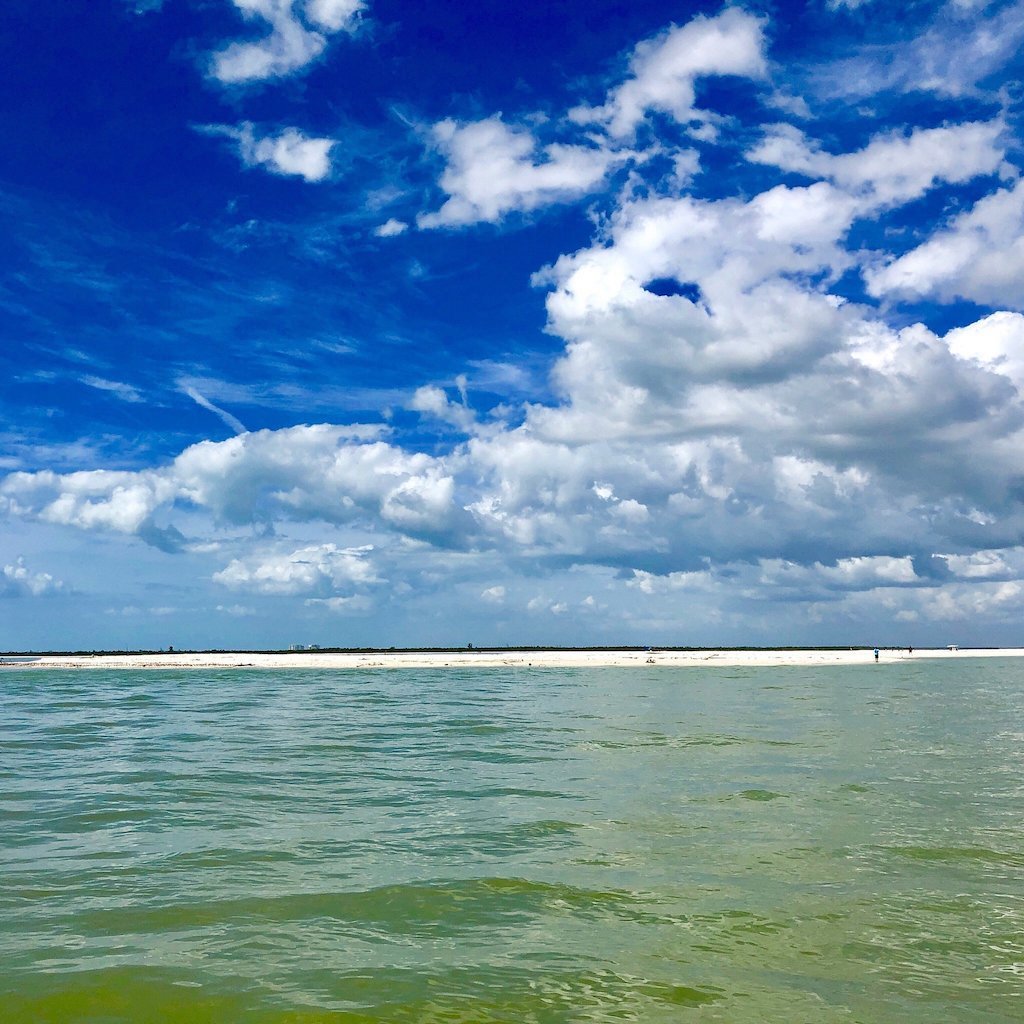
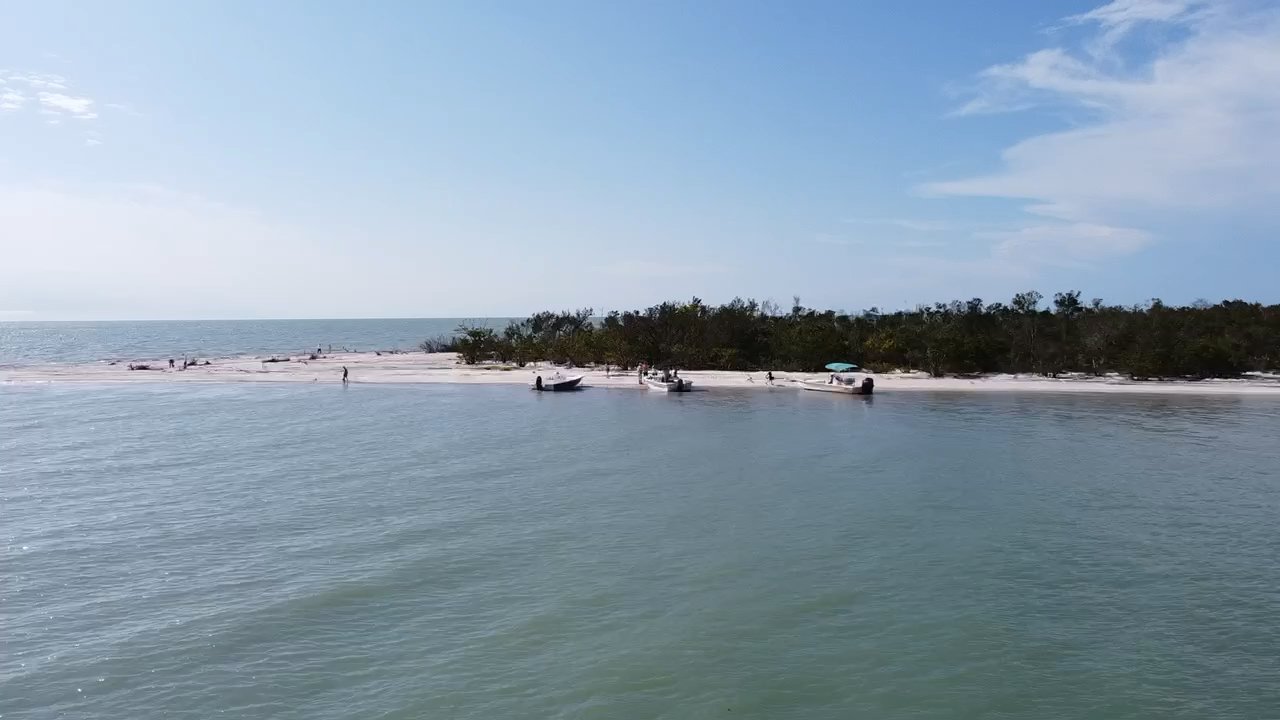
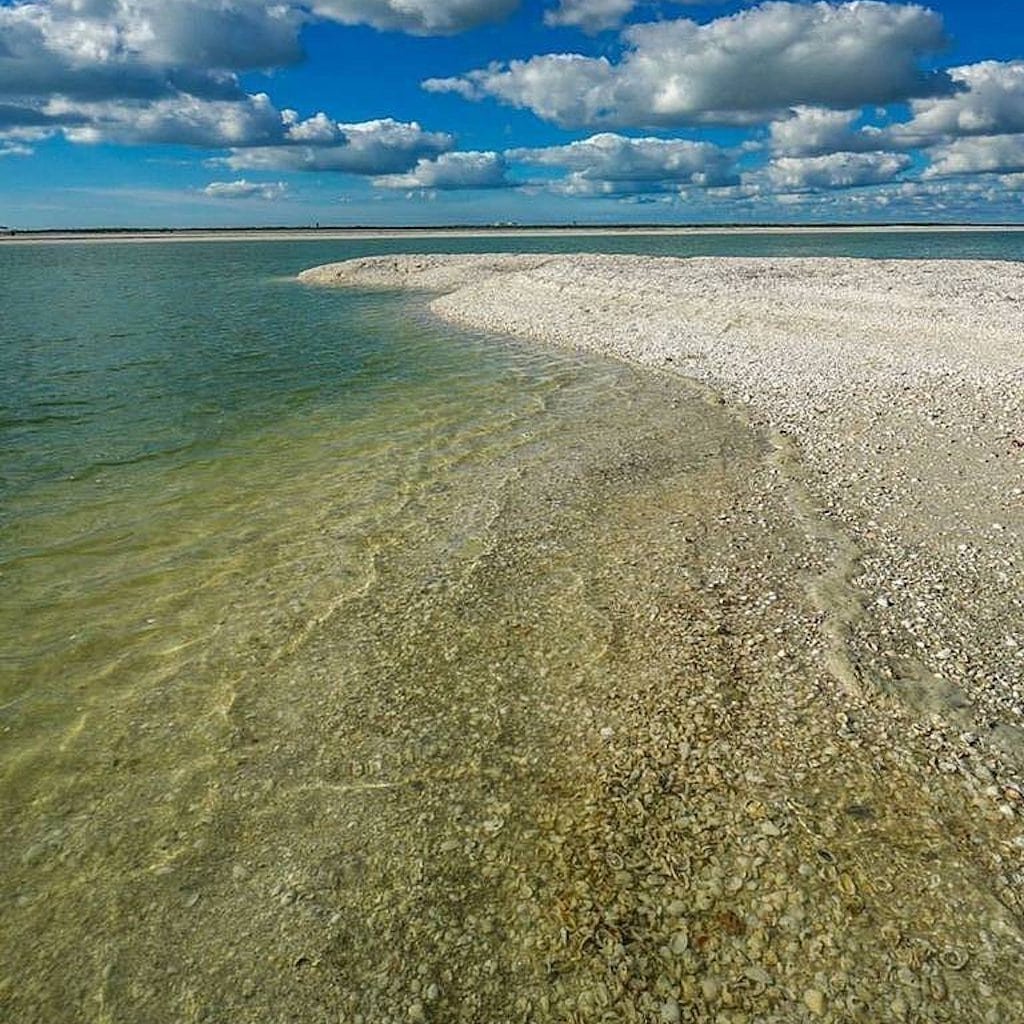
Ask us in January and the tide sheet does most of the talking. A strong winter low tide before nine in the morning means we are pointing people toward the shelling guides and the boat-only islands, because that window closes fast and is worth building a whole morning around. Ask the same question in July and the answer flips completely: mornings run calm and glassy, but by early afternoon a line of thunderheads is already stacking up offshore, so the advice shifts toward an early departure instead of a long afternoon crossing. Same captains, same site, a different answer because the water asked a different question.
We keep a weather radar loop running on the bridge through the whole season, and it shapes more of what ends up published here than any calendar does. A north wind piling water out of the pass changes which flats are worth checking that afternoon; a dead-calm morning right after a cold front changes which islands are worth the run at all. When we sit down to write about a shell, a fish or a beach, we are mostly writing down a decision we already made out on the water, then handing it to you.
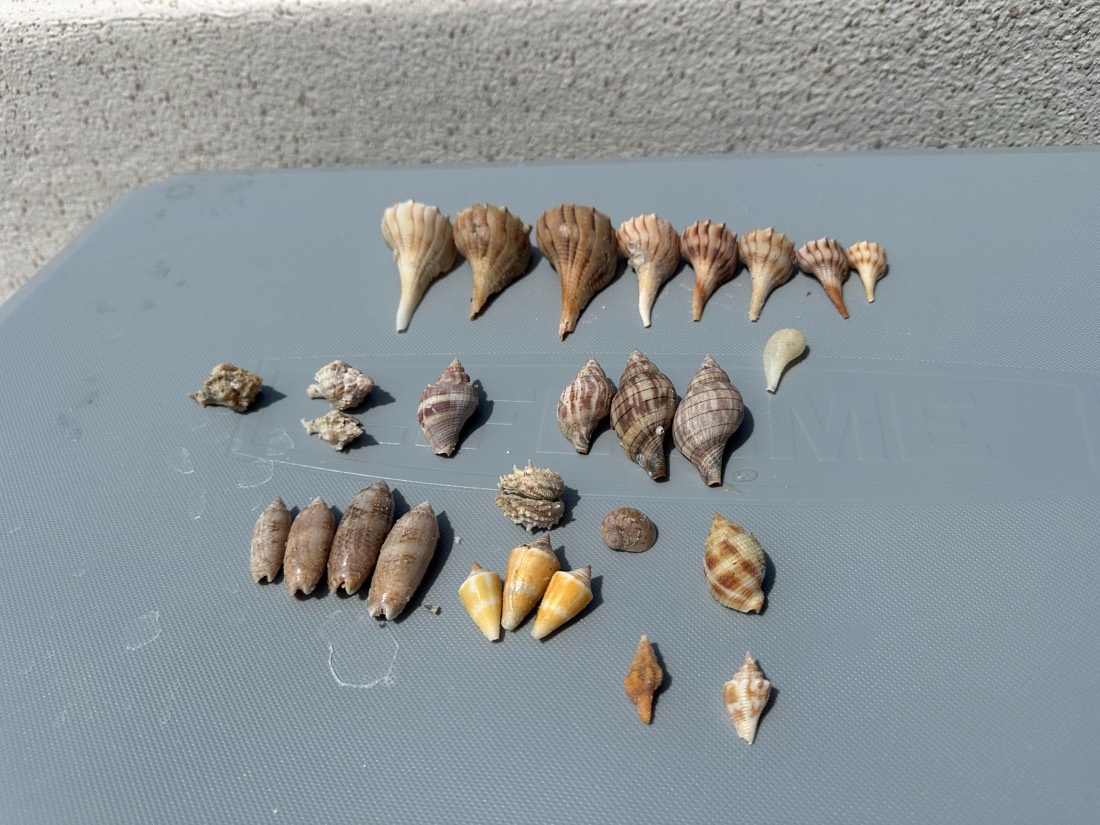
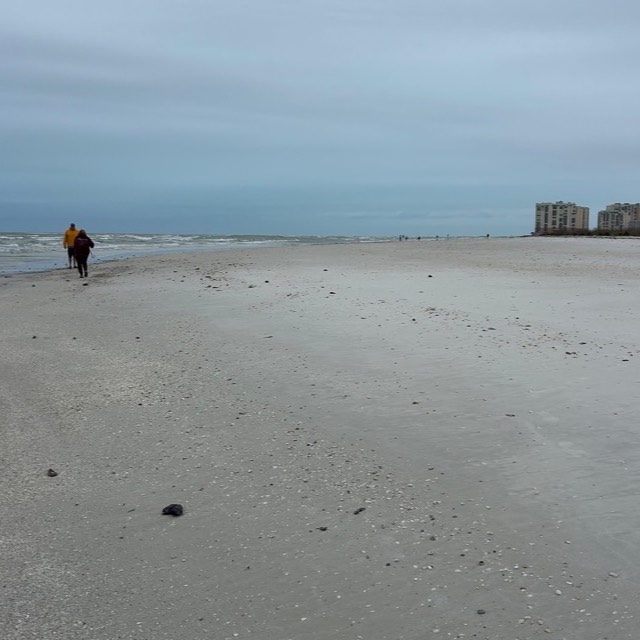
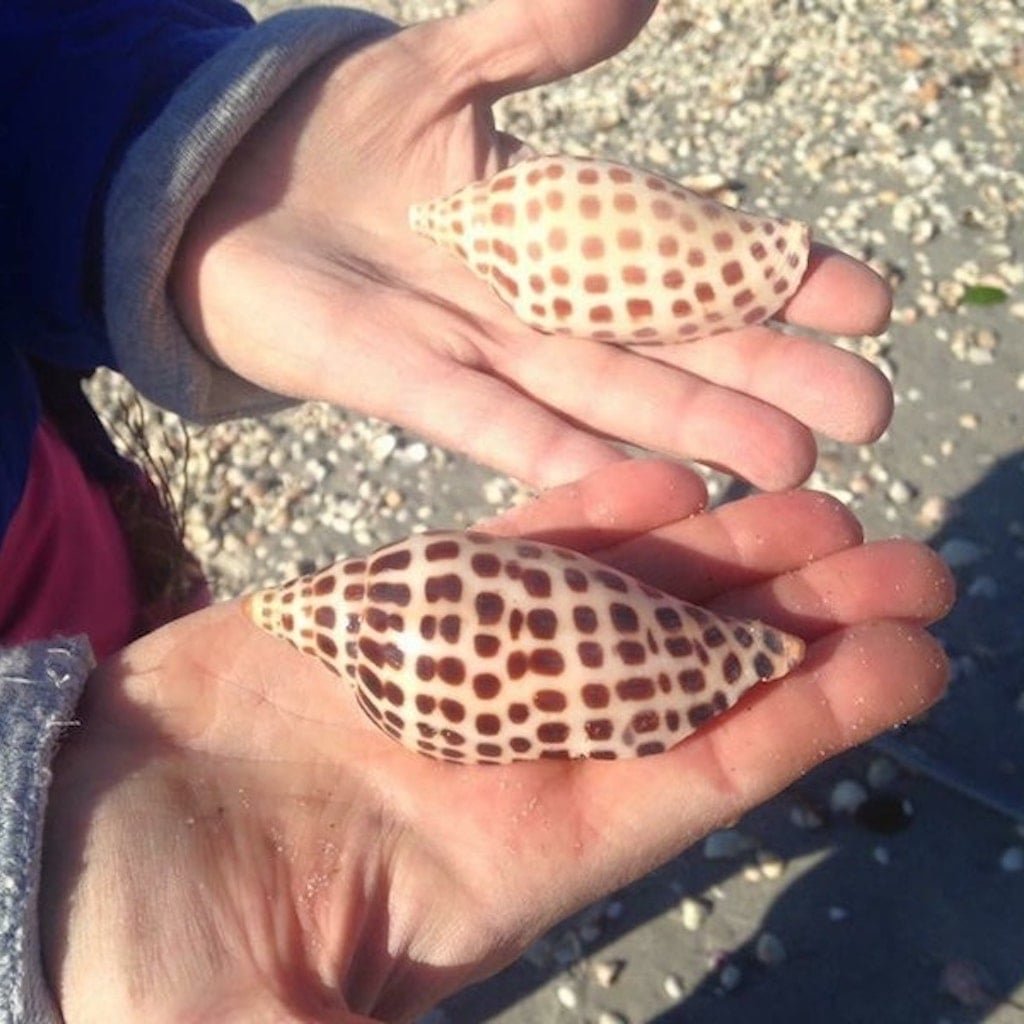
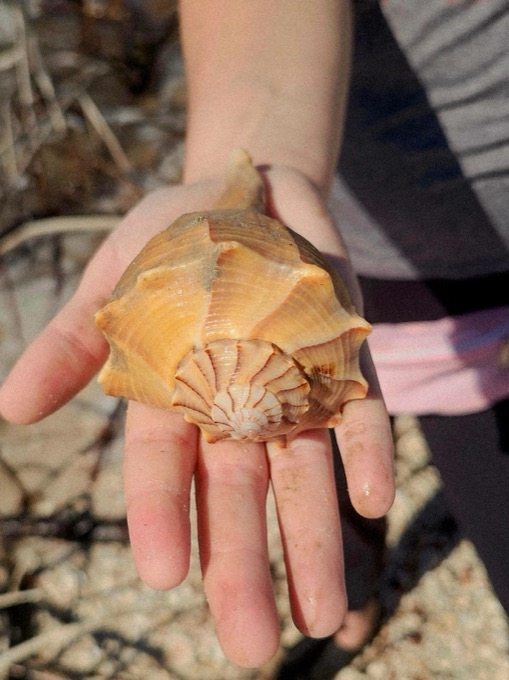
Plans change mid-morning more often than most guests expect, and this guide is built to reflect that instead of pretending otherwise. If the wind clocks around from a direction we did not forecast, we do not force the original route — we call the second option, whether that means tucking into a lee shoreline or trading a long run for a closer pass entirely. That habit of holding a plan loosely runs through every page here, from the shelling beaches worth chasing ahead of a front to the shell ID guide you reach for once you are actually holding something.
What you will not find in these pages are guarantees, because the Gulf does not deal in those and we would rather be honest than impressive. What you will find is the same habit of thought we use running the boat every morning: check the water first, choose the best plan for what it is actually doing that day, and keep a second plan ready before you need it. That is the real reason this guide exists — not as a brochure, but as the running notes of captains who read this tide sheet before deciding what today is good for.