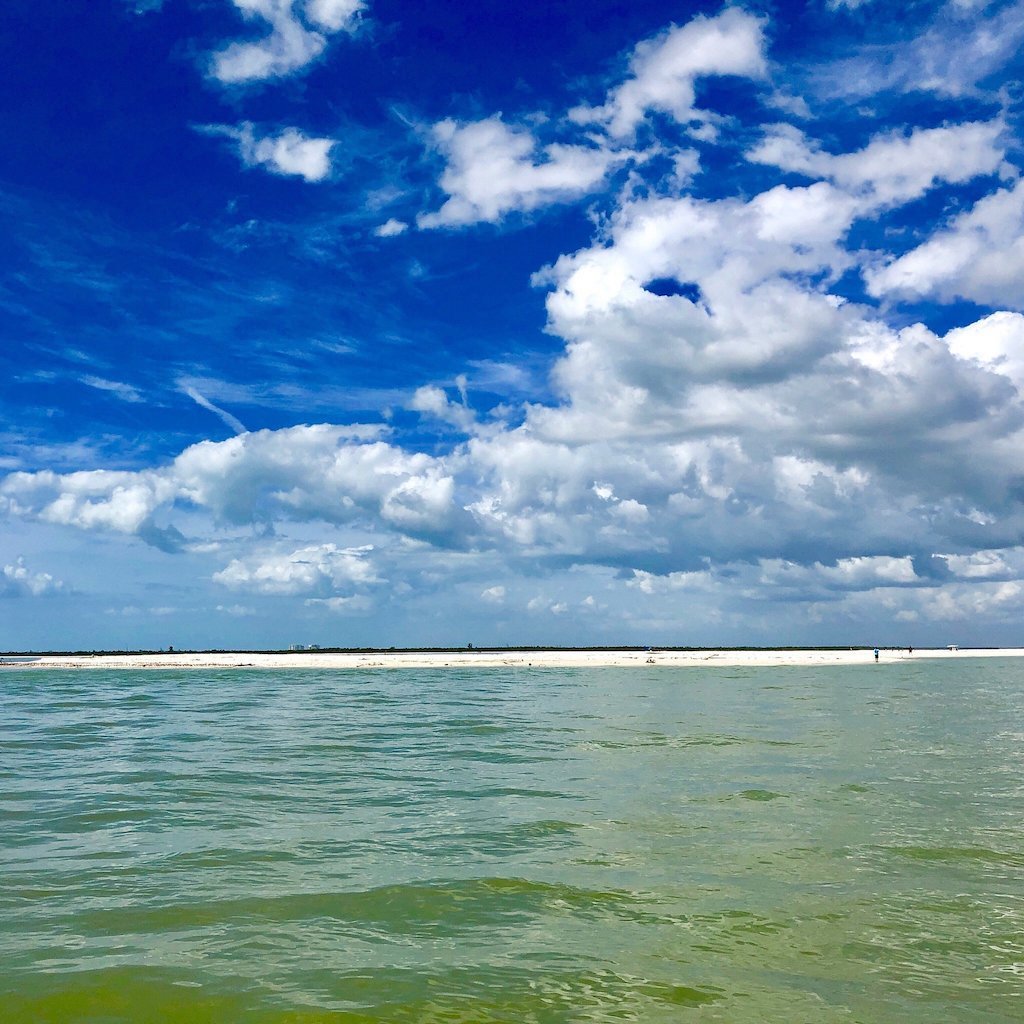
Before we commit to a route through the Ten Thousand Islands, the captain is reading three things off the bow: wind direction, the stage of the tide, and how the light is hitting the water over the shoals south of Cape Romano. Those shoals shift season to season, and a channel that ran clean and deep last month can build a sandbar by this one. We’ll idle down a stretch and watch the water change from a deep green-blue to a paler, sandy tint before committing the throttle, because that color shift is usually the first honest warning a chart can’t give us.
Caxambas Pass, just south of Marco, is usually our fastest line out into this maze, especially on an incoming or slack tide when the current isn’t fighting the hull. On a hard outgoing tide stacked against a west wind, though, we’ll sometimes swing wider and run out through Coon Key Pass instead, adding a few minutes to the trip in exchange for a flatter ride. Which pass we pick on a given morning has more to do with that tide-and-wind combination than with distance, and it’s a call the captain makes fresh at every departure.
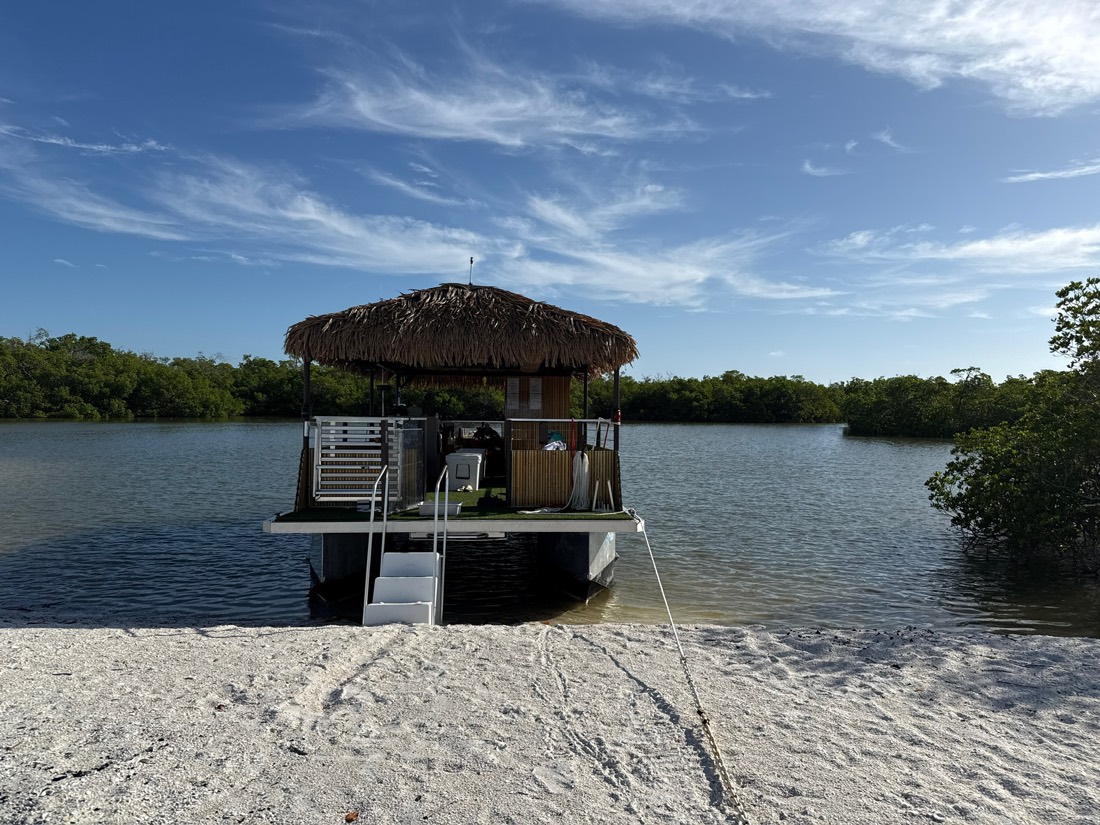
Once we’re through, the water opens into a genuine maze — mangrove keys stacked behind mangrove keys, with narrow cuts between them that look identical to a first-time rider and instantly familiar to a captain running them every week. We favor a handful of channels deep enough to hold water even on a low, and we’ll point the bow toward a gap in the green wall that looks like solid shoreline until the boat is almost on top of it and it opens into another bay. That’s usually the moment guests reach for their phones.
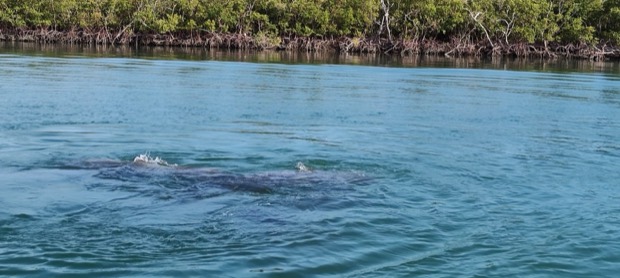
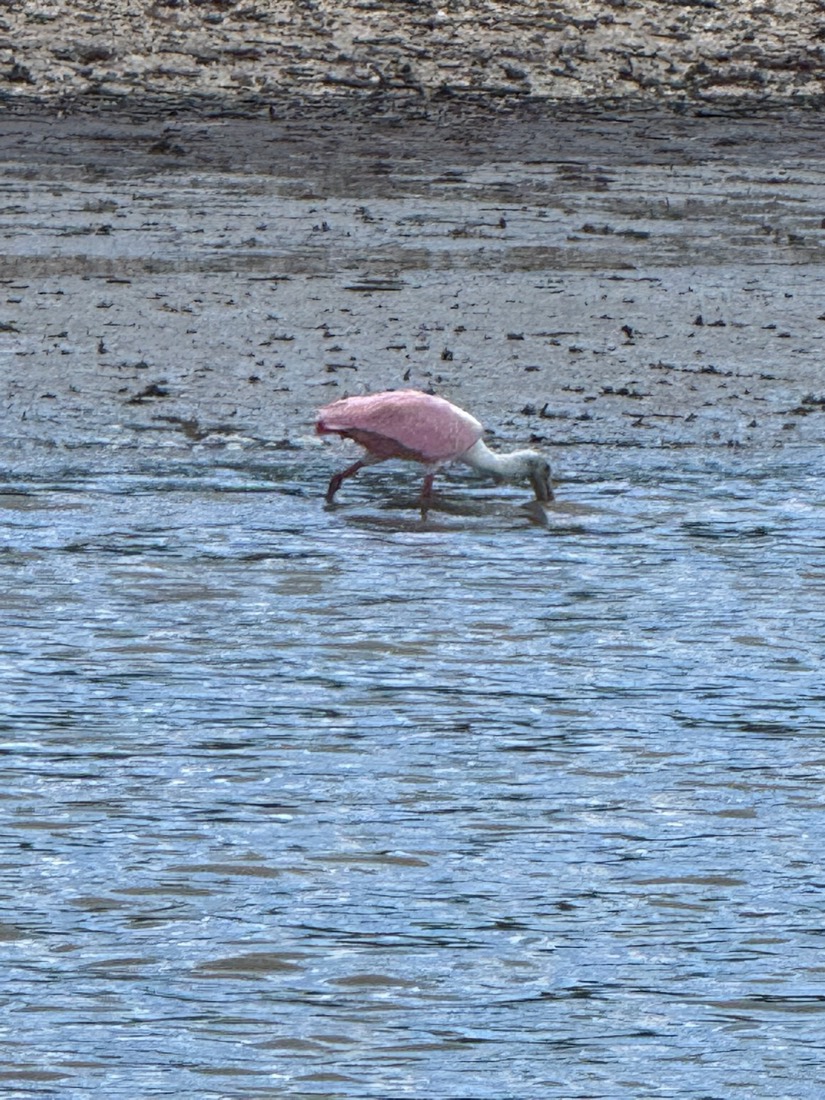
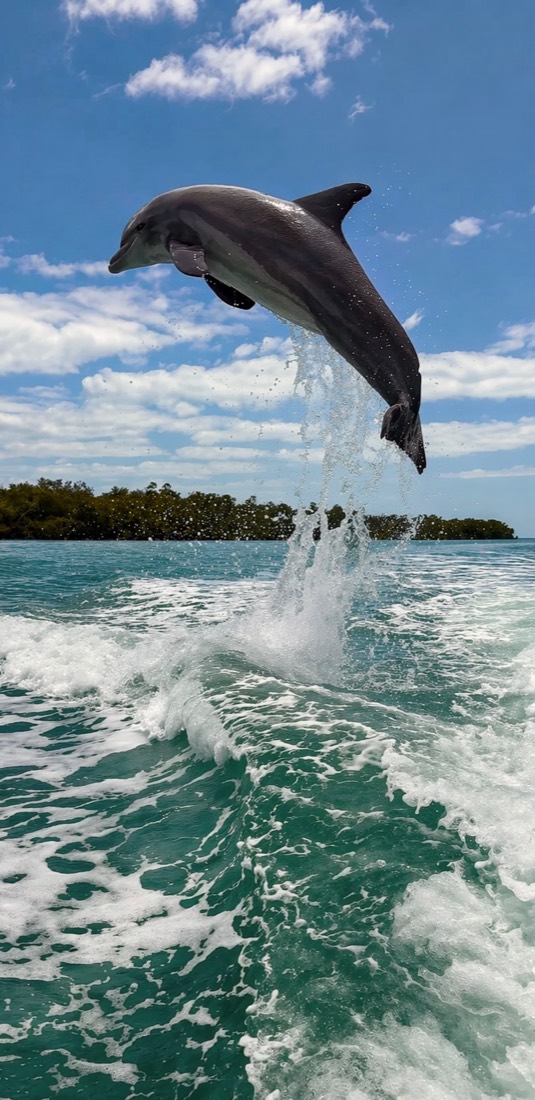
Running slow through the back bays here, we’re watching for the same signs the whole way — a mud boil where a ray spooked off the bottom, a stack of birds working bait against a mangrove point, a slick where something pushed a school to the surface. We’ll often idle down on any of those signs, because dolphins and the occasional manatee tend to work these quiet back bays more than the open Gulf side. Nothing’s guaranteed out here, but slowing for a mud boil has paid off for us more times than blowing past one ever has.
Because this stretch sits so far from any other departure point, running it from Marco or Goodland saves real time over launching out of Naples, which is part of why we bias our shelling tours and fishing charters toward this side of the water. Once you’re back here, the shoals and passes stop being obstacles and start being the whole point of the trip — a maze worth running slow rather than a shortcut worth rushing through.