
🏝️ At a glance
- What it is
- A low, fully exposed sand-and-shell island at the Gulf mouth of Indian Key Pass
- Where
- South of Everglades City, at the far southern edge of the Ten Thousand Islands National Wildlife Refuge's water
- Getting there
- By boat only, down Indian Key Pass from Everglades City or Chokoloskee — no bridge, no ramp
- What you'll find
- An open swimming beach, a tideline for empty-shell hunting, and shorebirds with nowhere to hide
- Facilities
- None — no shade, no restrooms, no fresh water
- Rule
- Collier County — empty shells only
What Indian Key is
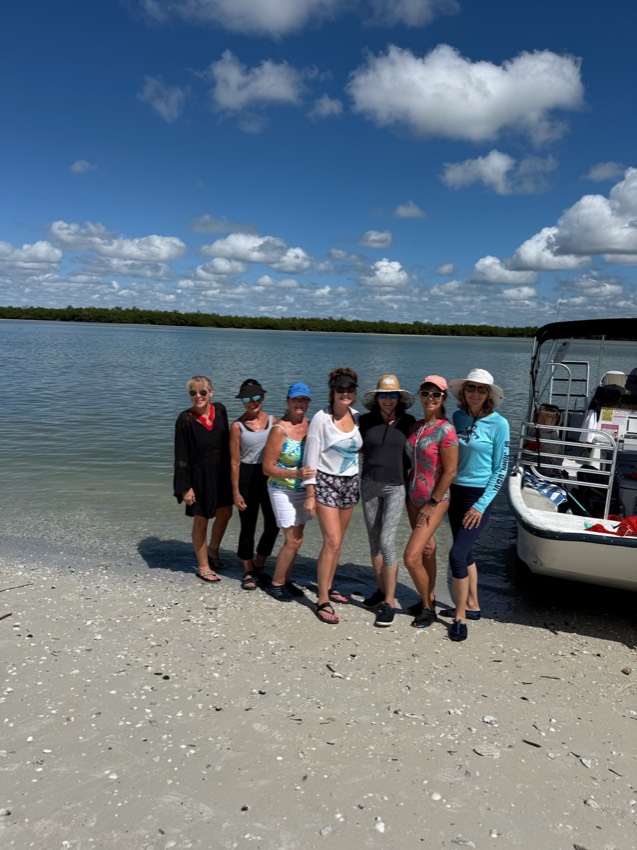
Indian Key is about as bare as the Ten Thousand Islands get: a low island of sand and broken shell sitting right where Indian Key Pass finally opens onto the Gulf of Mexico, south of Everglades City. There's no mangrove canopy to duck under here, no interior lagoon, no built anything — just an open beach facing open water, which is exactly what makes the run out here worth it. It marks the far southern reach of the water the Ten Thousand Islands National Wildlife Refuge protects, the last stretch of boat-only wilderness before the pass gives way fully to the Gulf.
That openness is the whole character of the place. Most of the keys our captains run to for shelling — Camp Lulu, White Horse, Round — tuck in behind mangroves or sit inside a bay, sheltered from whatever the Gulf is doing that day. Indian Key doesn't get that luxury. It's a fully exposed beach, so the wind, the swell and the tide all show up here in a way they don't on the more protected islands, and a trip out is really a read of conditions as much as it is a destination. On a calm morning it might be the easiest, most open beach you visit all week; on a blustery afternoon, it's not the stop your captain picks.
Where Indian Key sits
Indian Key sits at the Gulf mouth of Indian Key Pass, the main marked channel that carries boats out of Chokoloskee Bay and Everglades City toward open water. Run the pass west from the Gulf Coast Visitor Center and you're threading a maze of mangrove islands and oyster bars for several miles before the channel finally widens and the mangroves thin out — Indian Key is what's waiting at the far end, the point where the pass stops being a river and starts being the Gulf itself.
Geographically, it sits at the far southern reach of the Ten Thousand Islands National Wildlife Refuge's water, the boundary zone where the refuge's protected islands and bays give way to open Gulf and, just beyond, Everglades National Park's own coastal waters. It's remote by any measure — there's no shortcut in from Marco Island or Goodland, and reaching it means committing to a real run through wilderness water, not a quick hop off a nearby channel. For most guests, Indian Key is the furthest south our boats go on a Ten Thousand Islands trip.
Swimming, shelling and birds on the open beach
Once you're there, Indian Key rewards you with two things: a swimmable beach and a tideline worth walking slowly. Because the island faces open Gulf water instead of a sheltered bay, swimming here has a different feel than the calm, protected keys — clearer water on a good day, real waves on a windy one. It's the kind of spot where you actually get in the water and swim instead of just wading the shallows, which sets it apart from a lot of the interior refuge keys our captains also run.
The shelling is honest, unhurried work along that open tideline — olives, cockles, lightning whelks and the occasional horse conch turn up here the same way they do on the other exposed outer beaches, along with keyhole urchins, the local sand dollar. As with every beach our captains run to in Collier County, it's empty shells only; if there's something alive inside, it goes back in the water where you found it. Shorebirds work this stretch too, and because the beach has no shade to hide under, they're often as visible as the shells — plovers and sandpipers picking along the wet sand, pelicans and terns working the pass mouth just offshore, ospreys occasionally folding in over the shallows for a look.
Conditions and what to expect
Exposed is the operative word for Indian Key, and it's worth taking seriously before you plan a stop here. There's no shade — not a tree, not an awning, nothing between you and the Florida sun for as long as you're on the beach. There's no dock, no restroom, no fresh water and no ranger station. Whatever you bring is what you have for the day, and whatever the Gulf is doing that afternoon is what you get: on a calm day it's one of the most open, easy beaches in the refuge; on a rough one, landing can be a non-starter and the plan changes on the spot.
That's also why a trip to Indian Key isn't something to plan casually off your own chart. The pass itself is straightforward once you know it, but reading whether the Gulf side is landable that day — and adjusting the plan if it isn't — is exactly the kind of local judgment call our captains make every trip out. Sun protection, drinking water and shoes for the tideline are non-negotiable if you're headed out here; there's nothing on the island to fall back on if you forget something.
Getting there
There's only one way to Indian Key, and it's by boat — there's no bridge, no road and no public ramp anywhere near it. Most trips run out from Everglades City or Chokoloskee, down Indian Key Pass and out to the Gulf mouth; it's a genuine wilderness run through the same maze of mangrove islands that gives the Ten Thousand Islands its name. For visitors coming from the Marco Island or Goodland side, it's a longer haul south through refuge water before the pass even comes into view, so it tends to show up on the longer charters and specialty runs rather than a quick afternoon trip.
Our shelling tours and Ten Thousand Islands trips work this far southern water when conditions cooperate, and our captains make the call on whether Indian Key or a more sheltered stop like Chokoloskee Island or Rabbit Key is the better fit for that day's wind and tide. For the full run of keys, bays and passes our boats actually work, our Destinations guide lays out the whole map.
| Place | Character | Best for |
|---|---|---|
| Indian Key | Fully exposed beach at the Gulf mouth of Indian Key Pass | Swimming, open-beach shelling on a calm day |
| Chokoloskee Island | Developed shell-mound island near Everglades City | A home-base stop, history |
| Rabbit Key | Small refuge island tied to an old Everglades legend | Quiet exploring, wildlife |
| Cape Romano & the Ten Thousand Islands Preserve | Storm-carved sandbars and shoals further north | Wildlife-watching, longer shelling runs |