
📜 At a glance
- Full name
- William D. “Captain Bill” Collier
- Arrived on Marco
- 1870s, homesteading the island’s north end
- Built
- Old Marco Village, its trading post & the 1896 Marco Inn
- Famous for
- The backyard muck-pit find that triggered the 1896 Cushing dig
- Not related to
- Barron G. Collier, namesake of Collier County
- See it today
- Old Marco’s waterfront on the Marco River, still a working departure point
Who Was Captain Bill Collier?
Before Marco Island had a bridge, a zip code or a single condo tower, it had Captain Bill Collier. He grew up in a pioneer family that staked a homestead at the north end of the island in the 1870s, back when the only way in or out was by water and the nearest neighbors were a hard row away. Collier came up on boats, and it shows in everything he built next — he sailed this coastline as a trader, working fur, meat, garden vegetables and hides up and down the Ten Thousand Islands the way you’d run a route today, except the only traffic was tide and weather. Somewhere along the way he picked up boat building too, putting together the small working craft that kept a frontier settlement supplied when the nearest store might be a day’s sail off. By the time he was done, Collier had worn three hats most people never manage one of: trader, boat builder and hotelier, all in service of the same stretch of shoreline he called home.
How Bill Collier Founded Old Marco Village
A homestead doesn’t become a village on its own, and Collier didn’t wait around for someone else to build one. He put up a trading post where boats could load and unload, then a hotel, then eventually a post office — the three buildings that turn a fish camp into an actual town. The little settlement that grew up around them took the family name, and Old Marco became, for the better part of a century, the entire town on this island: its only dock, its only store, its only real address before any causeway reached the mainland. Everything moved on the tide here. Mail came when the weather allowed it, produce and seafood shipped out the same way they came in, and Old Marco stayed the commercial heartbeat of Marco Island well into the twentieth century, long after bigger money and unrelated names started buying up land elsewhere in the county. You can read the full arc of that story, from Calusa shell mounds to the modern skyline, on our Marco Island history page — this page zooms in on the man whose name started it.
The 1896 Marco Inn: Two Dollars a Day, Bring Your Own Vittles
Collier’s hotel is the piece of Old Marco you can still walk into today. He and his wife Maggie built it on a ten-acre plot to house the fishermen and early visitors starting to trickle down the coast, finishing construction in 1896 with twenty guest rooms, a parlor and a dining room — genuine amenities for a settlement this far from anywhere. The advertising line that went with it has survived a century and a half for a reason: two dollars a day, and bring your own vittles. That’s not a slogan a marketing department writes. It’s the honest voice of a working hotelier telling you exactly what you were getting, no more and no less. The building still stands, still operating today as the Olde Marco Inn, which makes it one of the few structures on the island where you can put your hand on the actual wood Bill Collier built with.
The Backyard Muck Pit That Triggered a Smithsonian Dig
Here’s where Collier’s story stops being local color and starts being American archaeology. Digging on his own property near the hotel — the story goes he was after fertilizer muck for his garden — Collier’s shovel hit something that wasn’t dirt: cordage, worked wood, shell tools, pulled up out of black, waterlogged muck that had sat undisturbed for centuries. He didn’t sit on the find. Collier got word of it to a contact at the University of Pennsylvania, and as it happened, the anthropologist Frank Hamilton Cushing was in Philadelphia at the time, on medical leave under the care of Dr. William Pepper, the university’s provost. Cushing heard about the muck-pit discovery and volunteered on the spot to lead an expedition south. What became the Pepper-Hearst Expedition arrived on Marco Island later that year and opened up the pond Cushing named the “Court of the Pile Dwellers,” pulling more than a thousand wooden and fiber Calusa artifacts out of the muck — the largest cache of prehistoric wooden objects ever recovered in the eastern United States, including the carved wooden figure now known as the Key Marco Cat. The Colliers even let Cushing use the hotel’s summer parlor to dry the waterlogged pieces out. Without a Marco Island hotelier digging for fertilizer, one of the most important wet sites in North American archaeology might never have been found at all. You can read the fuller story of that dig, and where it sat on the island, on our Key Marco & the Calusa page.
Bill Collier vs. Barron Collier: No Relation
Say the name Collier around Marco Island and most people jump straight to Collier County — and that’s a different Collier entirely. Barron G. Collier was a New York advertising tycoon who didn’t set foot on this coast until 1911, on what started as a fishing trip. Over the following decade he bought up more than a million acres of Southwest Florida backcountry, bankrolled the final stretch of the Tamiami Trail, and got the county named after him in 1923 as part of the deal. He and Bill Collier shared a last name, a stretch of coastline and roughly the same era — and nothing else. Bill Collier was already decades into building Old Marco by the time Barron Collier ever saw Florida. The two men are not related, and mixing them up is one of the most common mistakes in local history around here.
| Captain Bill Collier | Barron G. Collier | |
|---|---|---|
| Arrived on this coast | 1870s, as part of the pioneer Collier family | 1911, on a fishing trip |
| Background | Trader, boat builder & hotelier | New York advertising tycoon |
| Built | Old Marco Village & the 1896 Marco Inn | Everglades City & the Tamiami Trail |
| Namesake of | Nothing county-wide — just Old Marco | Collier County (1923) |
| Claim to fame | His muck pit triggered the 1896 Cushing dig | Bankrolled the Tamiami Trail |
Seeing Old Marco From the Water Today
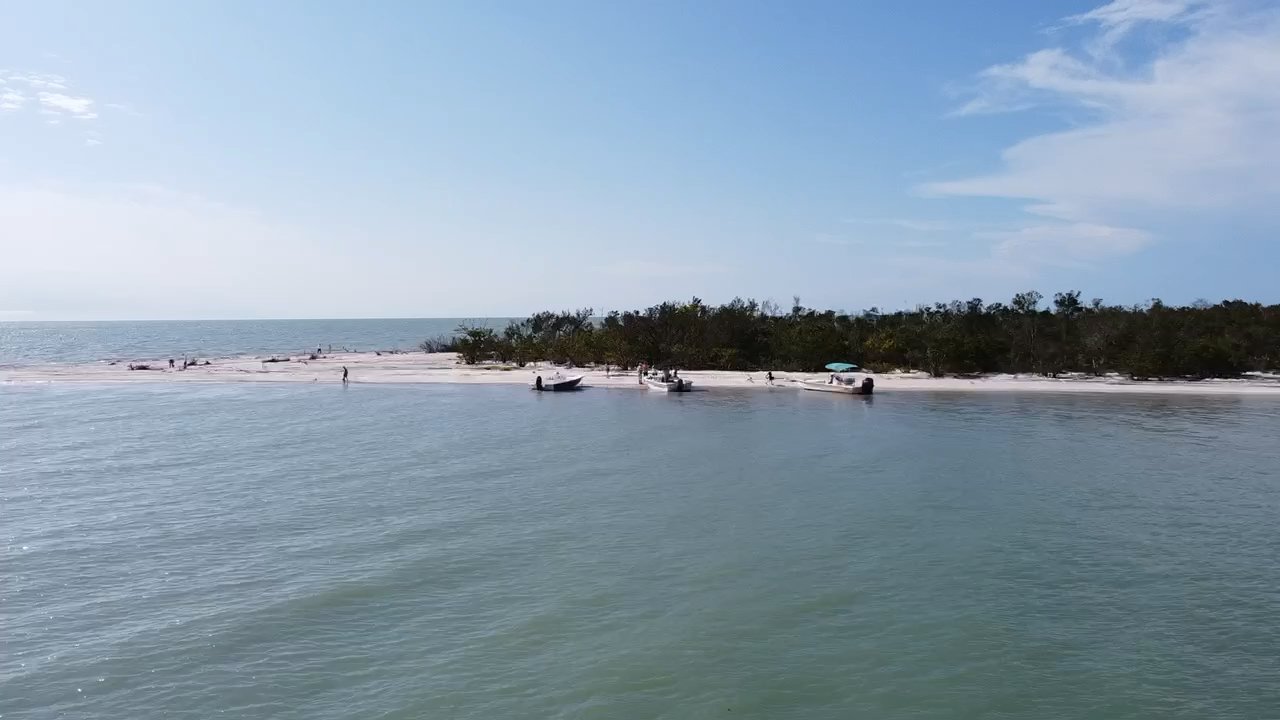
Old Marco isn’t a museum exhibit behind glass — it’s still a working waterfront, and that’s the best way to actually understand what Bill Collier built. The Marco River still runs past the original village site the way it did when Collier’s trading boats worked the tide, and a good chunk of our own routes idle right past it. Hop on our water shuttle and you’ll cruise the same stretch of river Collier ran his trade route on, or book a private charter and have your captain point out exactly where the homestead, the trading post and the inn once stood along that shoreline. Either way, you’re seeing Old Marco from the vantage point it was actually built for — not from a parking lot, but from the deck of a boat on the water Bill Collier spent his whole life reading. That’s the honest pitch behind almost every page in our local history guide: the real museum here has always been the water.