
📜 At a glance
- Who
- Edgar J. “Ed” Watson, sugarcane and cane-syrup planter
- Home base
- Chatham Bend, upper Chatham River, Ten Thousand Islands backcountry
- Died
- Late October 1910, days after an unnamed hurricane hit the coast
- Where he died
- Ted Smallwood’s trading-post landing, Chokoloskee Island
- The legend
- Fictionalized in Peter Matthiessen’s Killing Mister Watson (1990)
- Site today
- Chatham Bend sits inside Everglades National Park, boat-access only
Who Was Edgar J. Watson?
Edgar J. Watson was a working planter, not a myth — a South Carolina-born farmer who drifted through Oklahoma Indian Territory and Georgia before he settled in the Ten Thousand Islands sometime around the turn of the twentieth century. By most documented accounts he was capable and ambitious, and by all appearances a good neighbor when he wanted to be: he grew sugarcane on rich river-bottom soil few other settlers could reach, and his cane syrup had a real market in Fort Myers and Key West. He was also, by the time of his death, trailed by a reputation that outran the facts — whispers that he’d killed men before he ever reached Florida, including the outlaw Belle Starr in Indian Territory, a claim historians have never been able to pin down. That mix of real menace and borrowed legend is what makes his story so hard to untangle a century later, and it’s exactly why we tell it carefully here rather than as campfire folklore. This was frontier Florida in the truest sense: the nearest sheriff was a long boat ride away in Key West or Fort Myers, and the handful of families scattered across the islands mostly policed themselves, for better and for worse.
Chatham Bend: The Syrup Plantation
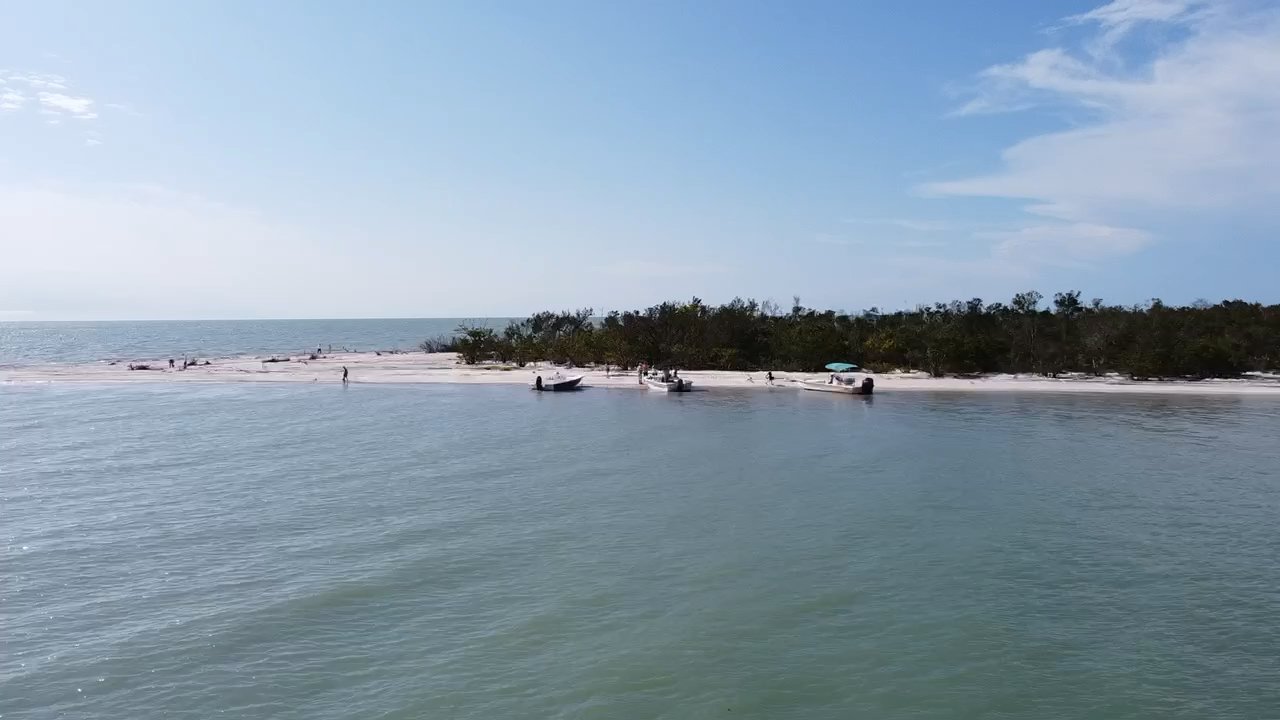
Watson didn’t build his operation somewhere convenient. Chatham Bend sits on the upper Chatham River, a tight, tannin-dark bend surrounded by miles of mangrove and sawgrass with no road access then or now — you still reach it today the same way Watson’s hired hands did, by boat, threading the same passes our captains run through the Ten Thousand Islands backcountry. He cleared land, built a syrup works, and by local accounts ran one of the more productive small plantations on this stretch of coast, shipping cane syrup out through Chokoloskee and Everglade. That isolation was the whole point: the rich, black river-bottom muck at the bend grew cane better than the sandy soil most of his neighbors were stuck with, and it also meant nobody was watching too closely. That combination — real agricultural success and total remoteness — is what let his reputation grow in whatever direction the rumors pushed it, with almost no way for anyone to check.
The Rumors: Vanished Hired Hands
The story that trailed Watson through Chokoloskee wasn’t about Belle Starr — it was closer to home. Island talk held that hired hands who worked a season at Chatham Bend sometimes didn’t turn up again to collect their wages, and that more than one had simply vanished into the backcountry. None of that was ever proven in a courtroom. In a place with no resident law, no telephone and no easy way to check on a missing worker who’d supposedly just moved on, suspicion had nowhere to go except toward the man everyone already found a little intimidating. What we can say honestly is that by 1910, enough of his neighbors believed it that Watson’s name carried real weight of suspicion around Chokoloskee Island, and that suspicion is what turned a hurricane’s aftermath into a killing.
The Hurricane and the Shooting at Smallwood’s Landing
In mid-October 1910, an unnamed hurricane — storms weren’t given names yet — tore through the Ten Thousand Islands, flooding the backcountry and scattering everything in it. In the days after, bodies were reportedly found in the bay near Chatham Bend, and word reached Chokoloskee that Watson’s hired hands were among them. When Watson himself came into Chokoloskee not long after — by most accounts to explain himself, or possibly to report a killing of his own on his property — a group of armed island men met him at Ted Smallwood’s trading-post landing. What happened next has no single agreed-upon account: multiple neighbors are recorded as having fired, and Watson was killed on the spot. No coroner’s inquest resolved who fired first or why, and no one was ever charged in his death. It remains, a century on, an act of neighborhood justice that the documented record simply never adjudicated, carried out by ordinary settlers who believed they had no other option.
Legend vs. the Record
Most people who know the name today know it from Peter Matthiessen’s novel trilogy — Killing Mister Watson, Lost Man’s River and Bone by Bone, later combined as Shadow Country — which took the documented outline of Watson’s life and filled in the motive, the dialogue and the body count that the historical record never actually supplied. Matthiessen spent years researching the islands and talking with descendants of the families involved, and the novels are widely respected for how seriously they treat this coast’s history and its people. But they’re still fiction built on a true skeleton, and it’s worth knowing which parts are which before you repeat the story as fact. That’s the whole reason the tale still travels: a real, unresolved killing left just enough gaps for a serious novelist — and a hundred years of campfire retellings — to fill in as they saw fit. The table below separates what island legend and the novels dramatize from what the documented record can actually support.
| The claim | The legend says | The documented record |
|---|---|---|
| Belle Starr’s death in Indian Territory | Watson pulled the trigger | Never proven; likely attached to his name after the fact |
| Missing hired hands at Chatham Bend | Novels dramatize a specific body count | Local accounts vary; no inquest ever fixed a number |
| The shooting at Smallwood’s landing | A single dramatic showdown | Multiple armed neighbors fired; accounts of who fired first differ |
| Watson’s guilt | The trilogy leans toward guilty | He was never arrested, charged or tried for the Chatham Bend deaths |
Seeing Chatham Bend and Chokoloskee Today
Here’s what hasn’t changed since 1910: you still can’t drive to any of it. Chatham Bend sits inside Everglades National Park now, reachable only by boat through the same mangrove tunnels and open bays Watson’s syrup boats once ran. Ted Smallwood’s old trading post is still standing on Chokoloskee Island, preserved today, and it’s the single best place to stand where the story actually ended. If you want to understand this coast’s real history — not just the postcard version — get out past the last bridge. Our private charters run this same backcountry, and our captains can point out Chatham Bend, the old landing, and the passes that made the Ten Thousand Islands the kind of place where a story like Watson’s could happen at all. Pair it with a stop at the Smallwood Store and you’ve covered the whole arc of the tale, start to finish, from the water where it actually took place. Start with the Local History hub for the rest of this coast’s documented past, or browse our destinations guide to plan the trip around it.