
🌊 At a glance
- The Gulf
- Open water of the Gulf of Mexico off the beaches — wide horizons, wind and swell
- The bay
- Naples Bay, Rookery Bay & the Ten Thousand Islands — calm, mangrove-lined back water
- The seam
- Passes like Gordon Pass, Capri Pass & Big Marco Pass connect the two
- Where wildlife concentrates
- Mostly the bay and pass edges — dolphins, wading birds, winter manatees
- Where most tours run
- Protected bay & back-bay water, with sunset cruises pushing out toward the open Gulf
What Counts as the Gulf in Naples and Marco Island?
When locals say the Gulf, they mean the open water of the Gulf of Mexico — the big blue horizon you see standing on Naples Municipal Beach, Vanderbilt Beach or Crescent Beach on Marco Island. It's real open water: wind builds a chop on a breezy afternoon, swells roll in from well offshore, and the horizon runs flat and unbroken as far as you can see. This is the water our sunset cruises point toward, and it's where nearshore and offshore fishing charters work grouper, snapper and kingfish well beyond sight of the mangroves.
You reach the Gulf by running out through a pass — a natural cut where a bay or river empties into the sea. Around here that means Gordon Pass and Doctors Pass at Naples, and Capri Pass, Big Marco Pass or Caxambas Pass down at Marco Island and Goodland. Once you clear the pass, the water color shifts, the ride changes, and you're genuinely offshore.
What Counts as the Bay Around Naples and Marco Island?
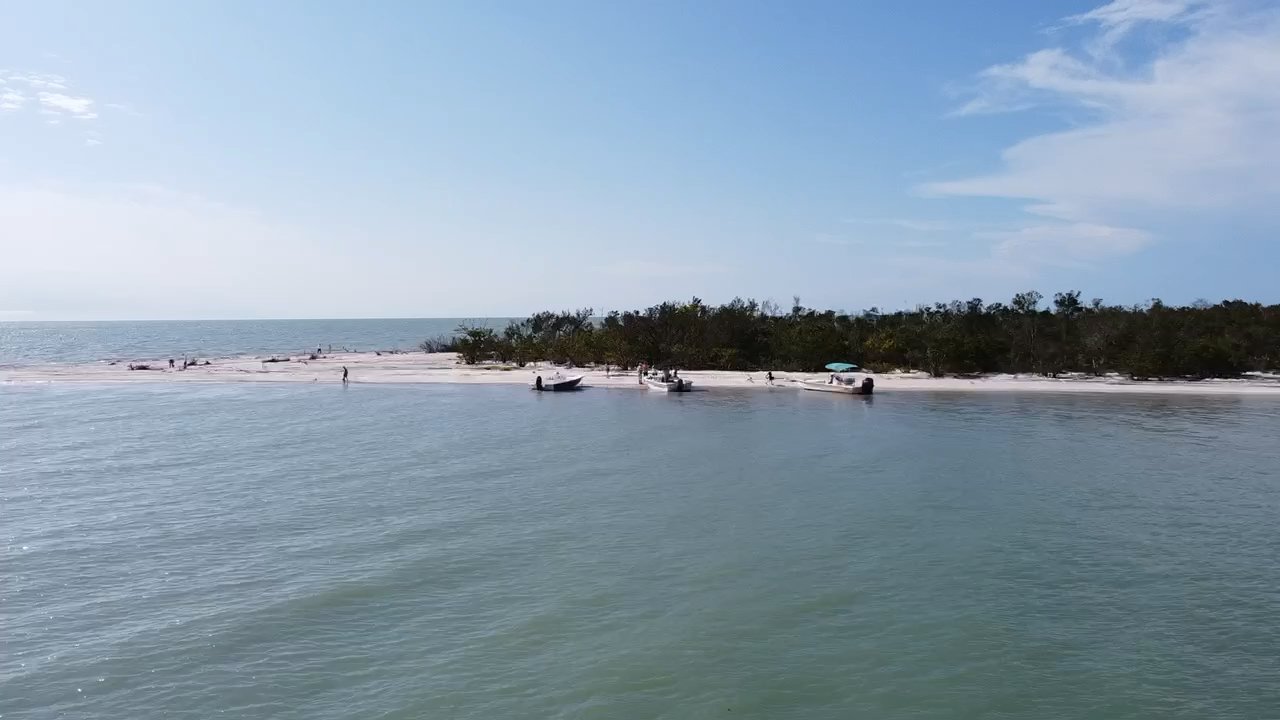
The bay is shorthand for everything on the sheltered, landward side of the barrier islands. In Naples that's Naples Bay itself, the waterway that runs south from the Gordon River past downtown. Just south of that sits Rookery Bay, a National Estuarine Research Reserve of mangrove creeks and open flats that stays wild and largely undeveloped. And south of Marco Island and Goodland, the whole system opens into the Ten Thousand Islands — a genuine maze of mangrove islands, oyster bars and back bays stretching almost to Everglades City.
Bay water is a different animal than Gulf water. It's shallower, it's lined wall-to-wall with red and black mangroves, and the barrier islands sitting between it and the open sea block most of the wind and swell. On a blustery day the Gulf can be stacked with whitecaps while Naples Bay sits nearly flat calm two miles inland.
Is the Water Itself Different Too?
Yes, and you'll notice it the moment you cross a pass. Bay water tends to run a greenish or tea-tinted color from tannins draining off the mangrove roots, especially after a summer rain, while the open Gulf runs a cleaner blue-green that gets clearer the farther offshore you go. Both are full saltwater — there's no fresh-to-salt transition happening here — but the bay's salinity shifts a little with the tide and with heavy rain, since it's a true estuary where fresh water draining off the Everglades mixes with incoming Gulf tide.
Tide also behaves differently on each side. In the open Gulf, tide mostly just raises and lowers the water level along the beach. Inside the bay and the Ten Thousand Islands, that same tide swing pushes real current through narrow mangrove creeks and passes, uncovering sandbars and oyster bars, and pulling bait fish — and the dolphins that often follow them — right along with it. That's a big part of why our captains time trips around the tide as much as the clock, and why the same stretch of water can look completely different from one visit to the next.
Why the Difference Matters When You're Planning a Tour
This isn't just geography trivia — it's the reason most of our tours run where they do. Wildlife concentrates in the bay and its passes far more reliably than out in the open Gulf. Bottlenose dolphins work the calmer water and pass edges chasing bait, wading birds line the mangrove shorelines, and in winter, manatees gather in the warmer, more sheltered pockets of Rookery Bay and the back creeks. A dolphin tour or a family sightseeing run through this water tends to be smoother, slower and richer with things to point at than a straight shot into open water would be.
The protected bay water also means a far more comfortable ride for kids, grandparents or anyone who isn't sure how their stomach handles open water. Our captains route shelling and wildlife trips through the inside water whenever the day's plan allows it, saving open-Gulf running for when the destination or the view actually calls for it.
Crossing the Pass: Where the Bay Meets the Gulf
The passes are the seam between these two worlds, and running one is one of the best moments on the water. You'll feel the boat's motion change as the mangrove-lined channel opens up and the horizon suddenly drops away to open water. Gordon Pass carries traffic out of Naples Bay; Capri Pass and Big Marco Pass do the same job for Marco Island. Our captains read the tide and current closely here — a running pass on an outgoing tide is a very different piece of water than the same pass sitting slack calm.
A sunset cruise is the classic example of using a pass on purpose: we idle out through it in the last hour of daylight to trade mangrove shoreline for open horizon right as the sun drops, without needing a long open-water crossing to get there.
Which Tour Runs Where
Most of what we run — shelling tours out to the barrier islands, dolphin-watching, family tiki tours — stays primarily in the protected bay and Ten Thousand Islands system, even when the destination beach itself faces the open Gulf. Keewaydin, Kice and Cape Romano are all Gulf-facing shelling beaches, but our captains reach them by running the calmer inside water rather than crossing open Gulf swells directly, which keeps the ride comfortable and the wildlife-spotting good the whole way there. Sunset cruises and some fishing charters are the trips most likely to spend real time out on open Gulf water. Wherever your trip is headed, ask your captain before you book which side of the pass you'll spend most of your time on — it's a fair question, and we're glad to walk you through the route.
If you're not sure which side of the water fits your trip best, a private charter is the easiest way to get it right, since you and your captain can build the whole route together, whether that means a slow morning working the mangrove creeks of Rookery Bay or a full run out past the pass into open Gulf water for a wider view. The water shuttle runs the bay side too, ferrying guests between Marco Island, Goodland and the outer islands on the same protected water our tours use every day.
| Tour | Primary water | What you'll notice |
|---|---|---|
| Shelling Tours | Bay & back bay, out to Gulf-facing barrier islands | Calm inside running, mangrove shoreline, then open beach |
| Dolphin Tours | Bay & pass edges | Smooth water, frequent dolphin activity |
| Sunset Cruises | Pass out toward open Gulf | Wide-open horizon for the sunset itself |
| Tiki Tours | Protected bay | Steady, easygoing, family-friendly ride |
| Fishing Charters | Both inshore bay flats and nearshore Gulf | Varies with target species and the day's plan |