
☀️ At a glance
- Air temp
- Highs ~78°F, mild mornings
- Water temp
- Warming — high 60s into the 70s°F
- Sunset
- Jumps to ~7:30pm after DST
- Best for
- Everything — shelling, dolphins, sunsets, early tarpon
- Crowds
- Spring break — busiest month, book early
What March feels like on the water
March is the easy month. The dry season is still mostly in charge, so you get calm seas and big blue skies, but the chill of midwinter has lifted — mornings are mild and afternoons are genuinely warm. The Gulf is climbing out of its cold spell, the water is clearing toward summer brightness, and the whole coast feels like it is waking up. The one big change is on the clock: daylight saving time arrives, and sunset leaps from the 6:30s to about 7:30pm overnight. Suddenly a sunset cruise means a leisurely evening on the water instead of a quick early-dinner affair.
Late-season cold fronts still slide through now and then, and they keep the shelling honest on Keewaydin and Kice. We still time shelling tours to the calm post-front low tides.
Tarpon stage and the bite turns on
The warming water flips a switch. The first tarpon begin staging in the passes and along the beaches — these are catch-and-release fish, the silver kings everyone wants a shot at — and the inshore bite for snook and trout picks up as the flats warm. Our fishing charters start finding more aggressive fish through March. The vessel's license covers everyone aboard, so you do not need your own.
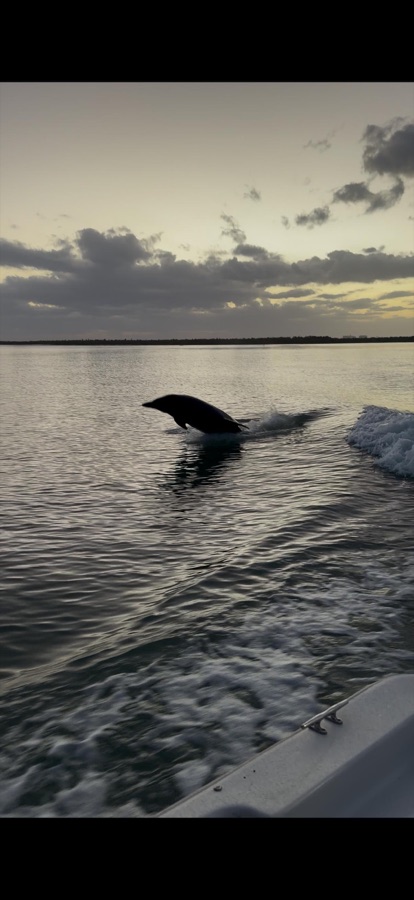
Bottlenose dolphins are lively in the warming water, and migrating and nesting birds add to the show. A dolphin tour is reliably good this month for families who want wildlife without the early-morning chill of winter.
Which tour to book in March
March is the do-anything month, which is exactly why it books out. There is no wrong choice — the trick is just grabbing a spot before spring break swallows the calendar.
| Tour | Why March | Heads up |
|---|---|---|
| Shelling tour | Late fronts keep shelling strong | Low tide after a front is best |
| Fishing charter | Tarpon staging, inshore bite waking up | Tarpon is catch-and-release |
| Sunset cruise | Sunset jumps to ~7:30pm | Warm, long evenings |
Spring break makes March our most-requested month, so book early from the tours page — weekend and holiday-week slots fill first.
From the Helm: March in Capri Pass: clocking the first tarpon roll on the incoming tide
By March our first job most mornings is standing at the helm with the engine idling, watching which way the wind clocks before we commit to a route. A north wind still has some bite in it at dawn, but by mid–morning it swings south or southwest and the Gulf lays down glassy enough to spot the first silver rolls in Capri Pass. That roll — a slow, unhurried arch breaking the surface — is how we know the tarpon have staged for the season, and it changes where we point the bow before the crowds even reach the ramp.
When that roll shows up on the incoming tide, we’ll often swing wide of Big Marco Pass and work the quieter edge of Capri instead, where the current stacks bait against the deeper channel without the wake chop of spring break traffic stirring up the surface. Guests aboard our fishing charters get first crack at a drift through there before the day boats pile in behind us. It’s catch–and–release water this time of year regardless of size, so the goal is the take and the fight, not a fish in the cooler — we want the photo at the rail, not the scale.
March mornings can still bite before that wind swings, so we keep a stack of light windbreakers folded under the console for guests who show up in shorts expecting August weather already. We also push our first departure earlier than we do in January, simply to beat the marina traffic — spring break fills the parking lot and the fuel dock by mid–morning, and a boat that leaves the slip at first light gets a calmer pass, better light for photos, and first pick of the sandbars before a dozen other hulls anchor up on the same stretch of sand.
Shelling stops shift too. With the crowds thick on the popular beaches, we’ll favor the lee shorelines that don’t see foot traffic from the drive–up side — quieter stretches where a late–season cold front still turns up a fresh wrack line worth walking at the low. Whatever turns up gets left where it lay if there’s still something living inside it; empty shells only is the rule we hold to on every trip, no exceptions for a pretty specimen. It’s a smaller crowd on that side of the island, and usually a better one for actually finding something worth keeping.
If the wind won’t cooperate and Capri stays chopped up past midday, our plan B is simple: tuck into the back bays for a calmer shelling run instead of forcing a rough ride to chase fish that have already gone quiet on us. March books tight enough that we’d rather adjust the plan on the water than cancel outright, and most groups never notice the swap unless we tell them. Either way, the goal stays the same one it always is — get you out there before the season’s momentum builds past what any one boat can outrun.