
☀️ At a glance
- Rule of thumb
- Dress for wind & sun, not the dock temperature
- Winter (Dec–Feb)
- Layers you can peel — windbreaker over a base layer
- Summer (Jun–Sep)
- Light, quick-dry, UPF-rated fabrics with shoulder coverage
- Footwear
- Closed-toe or strap-secured shoes — never loose flip-flops
- Evening, tiki & sunset trips
- Add a light layer & bug spray near the mangroves
Why the Weather at the Dock Isn’t the Weather on the Water
Here’s the thing nobody tells you before your first boat tour: the temperature you check on your phone before you leave the house is not the temperature you’ll feel once we’re running. Once the boat gets up on plane, you’re adding your own boat speed to whatever the wind is already doing, and that combined “apparent wind” hits you square in the face the whole ride out. Fifteen knots of apparent wind over the bow on a 60-degree morning feels a solid ten degrees colder than standing on the dock — and that’s before you factor in the spray. Add a bit of humidity and shade under a bimini top and you’ve got a boat that runs noticeably cooler than the parking lot, even in the middle of summer.
The fix isn’t complicated once you know it: dress for wind and sun, not for the forecast. Our captains run this water year-round out of Marco Island, Goodland and Naples, through the Ten Thousand Islands, and the single biggest thing we see guests get wrong is trusting the weather app instead of the boat. A Gulf morning in January or February can start in the low 50s at the dock and climb 15–20 degrees by lunchtime, which means the outfit that felt right when you parked can leave you shivering for the first hour and sweating by the last. Layer for the run out, and you’ll be comfortable the whole trip — whether you’re headed out on a shelling tour at first light or easing into a sunset cruise as the air cools back down.
Winter & Cold-Front Mornings: Dress in Layers You Can Peel
Winter in Southwest Florida doesn’t mean cold in the way it does up north, but it does mean genuinely brisk mornings, especially right behind a cold front when the wind swings around and the humidity drops. Our best shelling tides show up in the cooler months, which means our captains are often running out early, before the sun has done any work yet. Dress the way you would for a brisk fall football game, not a Florida beach day: a moisture-wicking base layer, a light fleece or flannel over it, and a windbreaker or light rain jacket on top to cut the wind coming over the bow. Skip heavy cotton sweatshirts — they soak up spray and stay wet and cold for the rest of the trip, while synthetic or wool layers shed water and keep working even damp.
The trick to winter dressing on the water is building an outfit you can strip down in stages, because that 50-degree dock temperature is genuinely gone by mid-morning. Long pants beat shorts for the ride out, closed-toe shoes with real socks beat sandals, and a hat that won’t blow off (a strap or clip helps) keeps your head warm on the way out and your face shaded on the way back in. Bring a light pair of gloves if you run cold-blooded — you can always stuff them in a pocket once the sun’s up. If you’re not sure how cool it’ll actually feel, check our guide to sun protection on the water, since the same UPF layers that block sun in summer double as a wind barrier in winter.
Summer & Shoulder Season: Light, Quick-Dry, and Sun-Covering
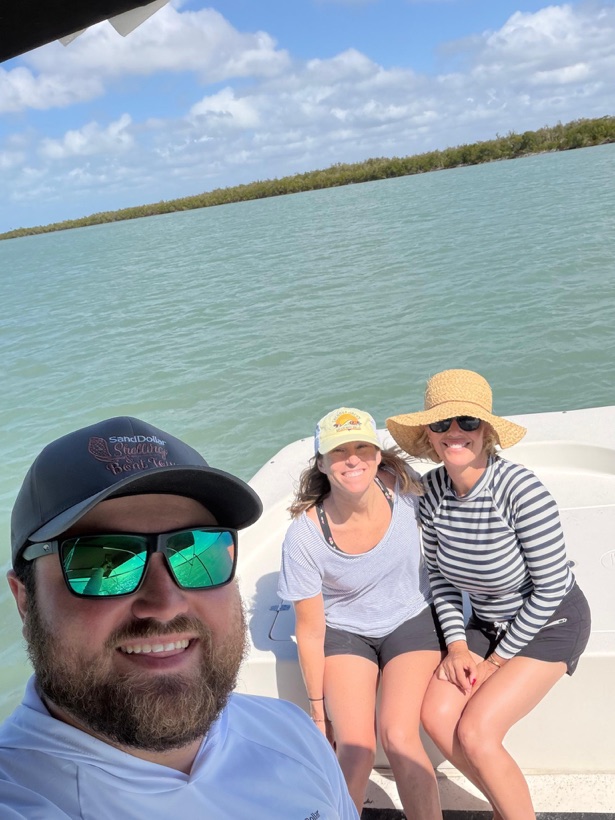
Flip the calendar to late spring through early fall and the whole equation changes: now the enemy is sun and heat, not wind chill. This is where quick-dry, breathable fabrics earn their keep. A lightweight, long-sleeve UPF shirt does more real work than sunscreen alone, because it doesn’t wear off, doesn’t need reapplying, and covers your shoulders the entire trip — the spot most guests forget until they’re red that evening. Pair it with quick-dry shorts or leggings, a wide-brim hat or a ball cap with a bandana underneath for the back of your neck, and polarized sunglasses with a retainer strap so they don’t end up on the bottom of the Gulf.
Summer in the Ten Thousand Islands also means the classic Florida afternoon pattern — clear mornings, building clouds, and a chance of a pop-up shower later in the day. Packing a light, packable rain shell or a dry bag with a spare shirt is smart any time of year, but it matters most in summer, when a passing squall can soak you and the humidity means nothing dries fast. Bring a second shirt for the ride home if you’re prone to sweating through the first one, and don’t underestimate how much cooler it gets once the sun starts dropping on an evening trip — a light layer folded into your bag costs you nothing and saves a sunset cruise from ending in shivers.
Footwear That Works on Any Boat, Any Season
Footwear is the one category that doesn’t really change with the calendar, because a wet, moving deck is a wet, moving deck whether it’s January or July. Skip loose flip-flops — they’re the single most common thing we see go overboard, and they offer zero grip on a wet swim platform. What actually works: boat shoes, water shoes, or sport sandals with a real heel strap and a non-marking, slip-resistant sole. If your trip includes wading onto a barrier island on a shelling tour, a secured water shoe protects your feet from broken shell edges and lets you wade in the shallows without a second thought, while still being easy to slip off and dump the sand out of.
Whatever you choose, avoid anything with a hard, thick sole meant for pavement — it won’t flex with the deck and it can mark up the boat, which most captains (ours included) will politely ask you to swap out. Bring the shoes you’ll actually wear the whole trip, not a backup pair you plan to change into later, since deck space and dry storage are both limited on a small charter boat.
Evening, Tiki & Sunset Cruises Near the Mangroves
Trips that run later in the day — sunset cruises and family tiki tours — add two more variables worth planning for: falling temperatures and bugs. As the sun drops, the wind that kept you cool all afternoon often drops with it, and any route that idles near the calm, protected water around the mangroves can bring out no-see-ums and mosquitoes right around dusk, especially on still evenings. A light long-sleeve layer solves both problems at once: it keeps the evening chill off and gives the bugs less skin to work with. Packing a small bottle of insect repellent, applied before we ease toward the mangrove edges rather than after, beats scratching your way through a beautiful sky.
These later trips are also where a lot of guests get caught out by the day’s heat lingering into the outfit they packed that morning — you left the house in shorts and a tank top because it was 88 degrees at noon, then found yourself wishing you’d tucked a light layer into your bag for the ride back in after dark. Treat evening cruises as their own weather system: whatever the daytime high was, plan for 10–15 degrees cooler once the sun is down and the boat is moving. It’s a small thing to pack for and it’s the difference between watching a Gulf sunset in comfort and watching it while wishing you were back at the dock.
| Season | Core pieces | Don’t forget |
|---|---|---|
| Winter (Dec–Feb) | Base layer, fleece or flannel, windbreaker, long pants, closed-toe shoes | Light gloves, a hat with a strap |
| Spring & Fall (shoulder) | Light long-sleeve or short-sleeve UPF shirt, shorts, secured sandals | Packable rain shell, sunglasses with a retainer |
| Summer (Jun–Sep) | Quick-dry UPF shirt, breathable shorts or leggings, wide-brim hat | Spare shirt, dry bag, small rain shell |
| Evening & sunset trips | Whatever the daytime layer is, plus one light long-sleeve | Insect repellent, a jacket for the ride back in |