Before the boat ever leaves the slip, your captain has already clocked which way the wind’s blowing, how the tide’s stacking up, and whether the Gulf side will be flat or choppy by the time we’d get there for sunset. That read decides the order we run a first-timer’s trip in, not just the stops. If the wind’s out of the east and building through the afternoon, we’ll lead with the exposed water first, while it’s calm, and save the sheltered bay running for later once conditions have turned. We’re also weighing water clarity that morning, since a first-timer’s best photos come from the stretches where the Gulf runs clean turquoise rather than churned up by wind chop.
For newcomers we favor the marker run through Capri Pass over the wider ship channel — tighter, more sheltered, and it puts you closer to the mangrove edges where wildlife tends to show itself rather than out on open water watching an empty horizon. It’s a few extra minutes over the shortest line, but it’s the stretch that gives first-timers their first real look at how this coastline actually sits — low islands, no roads, water on every side.
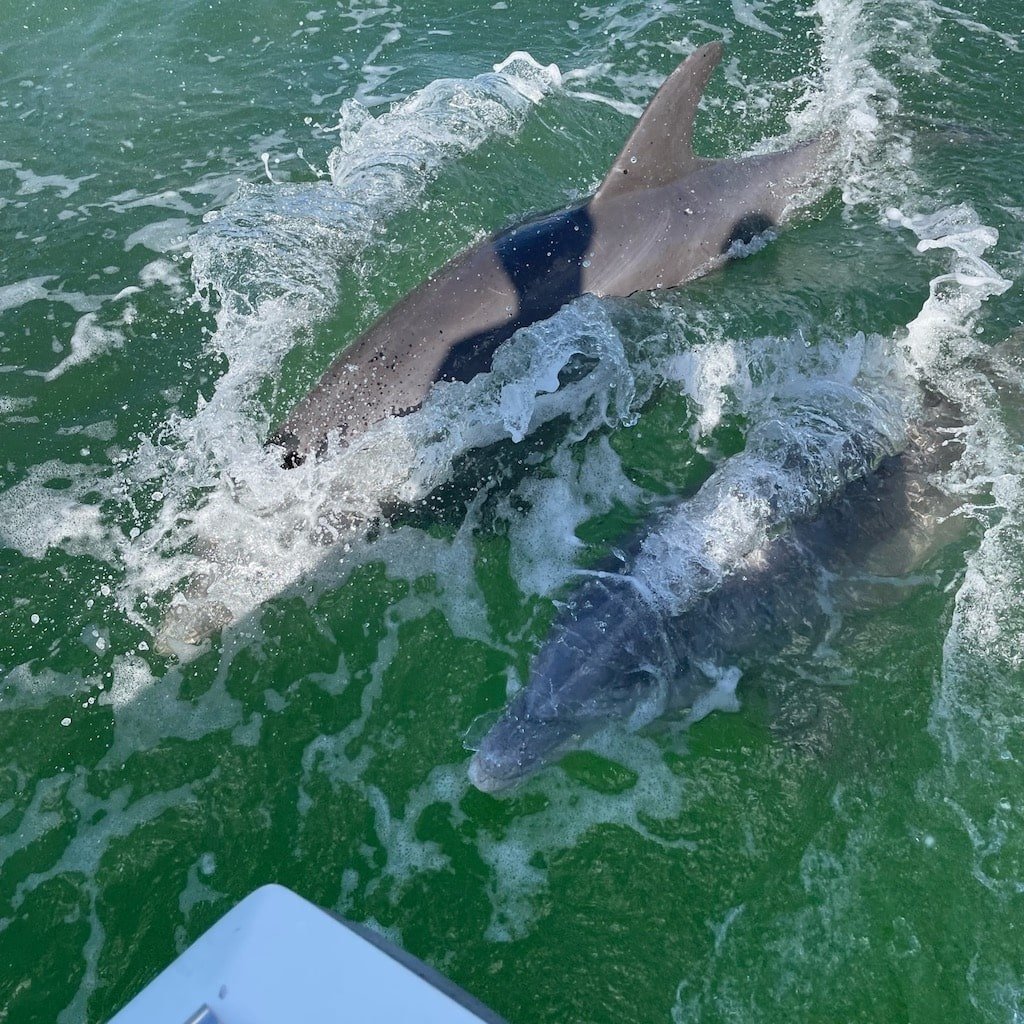
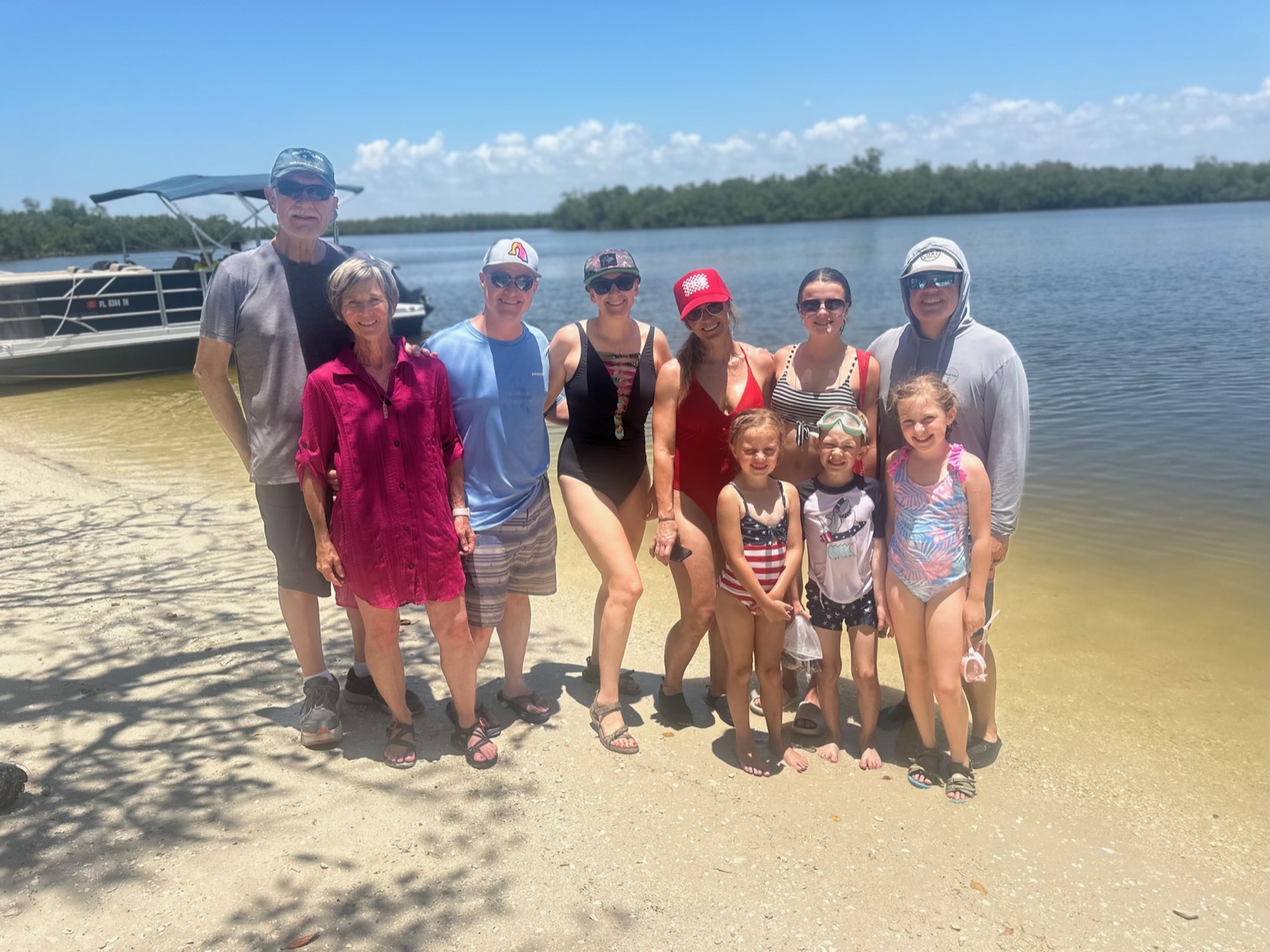
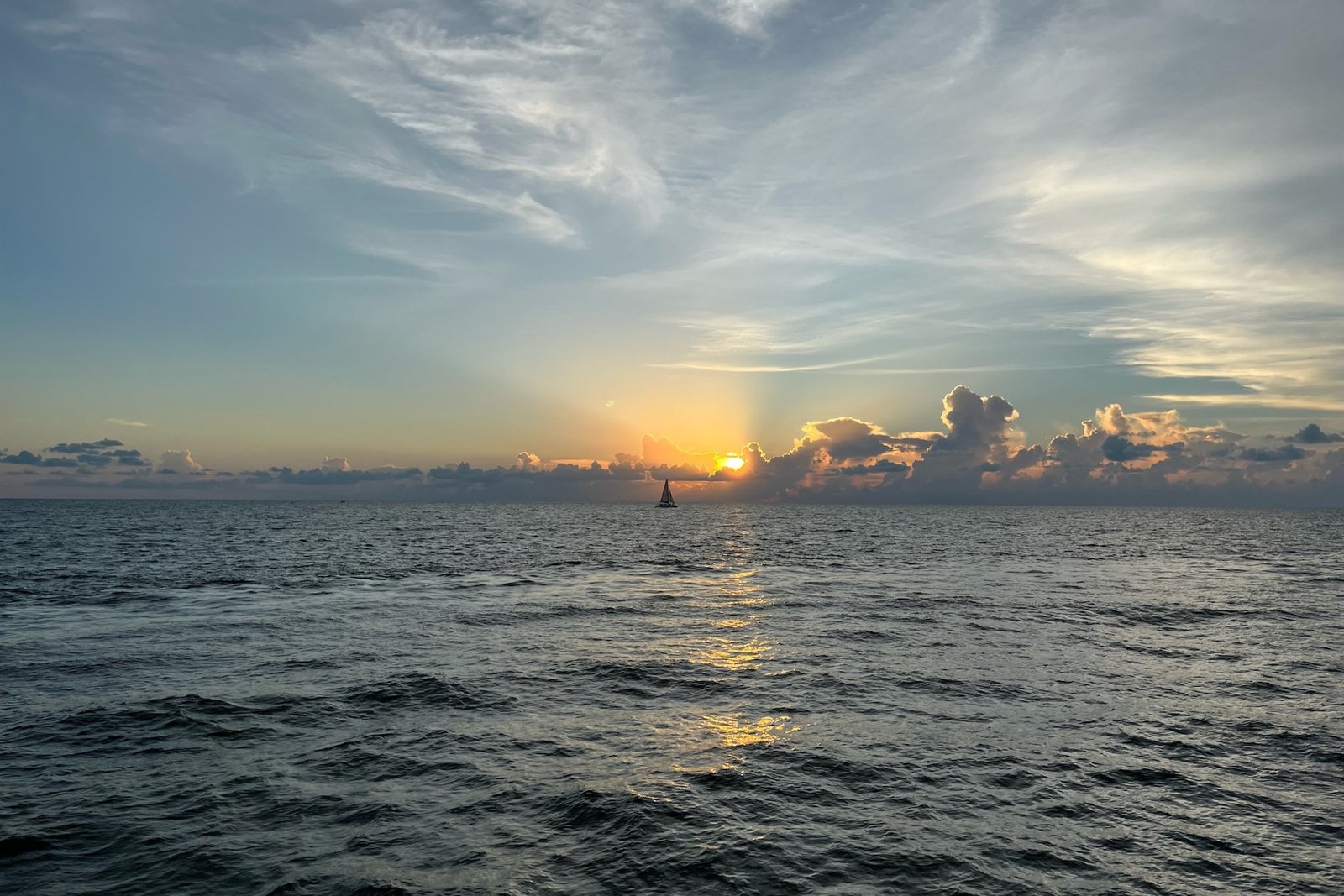
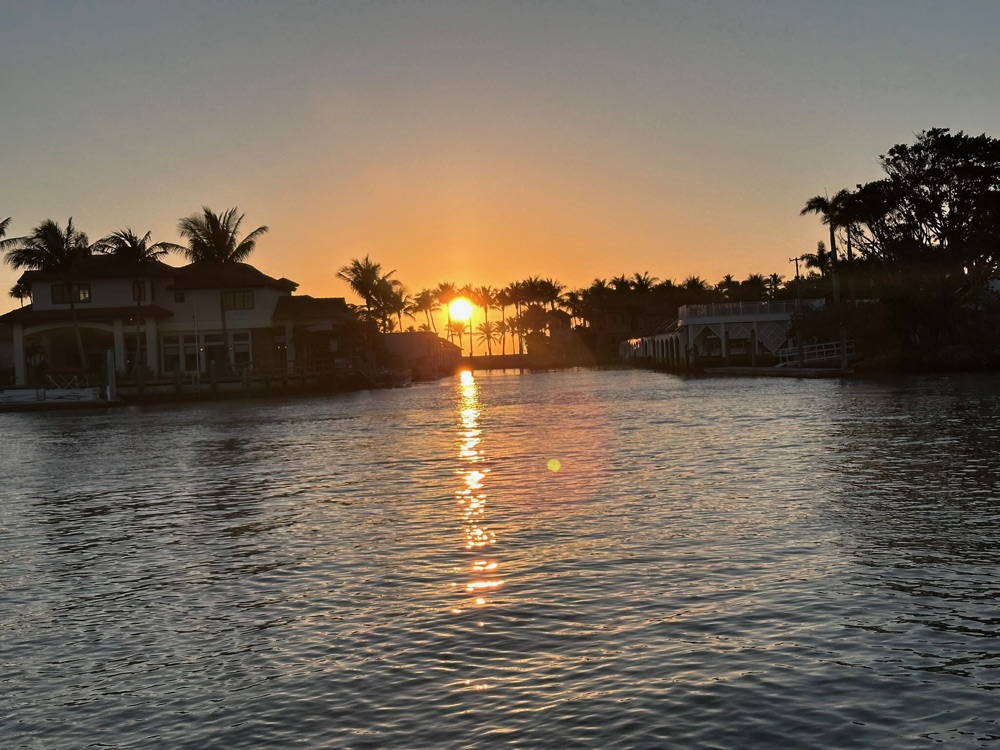
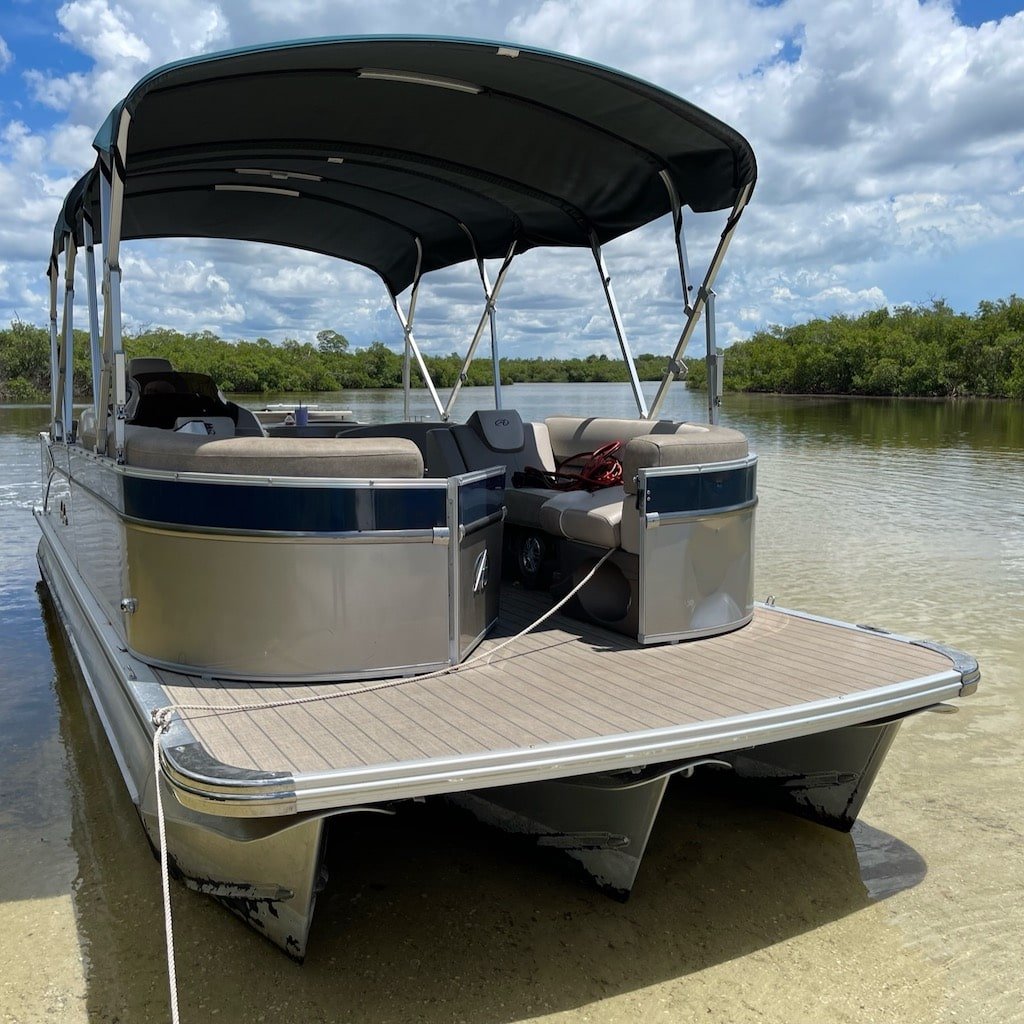
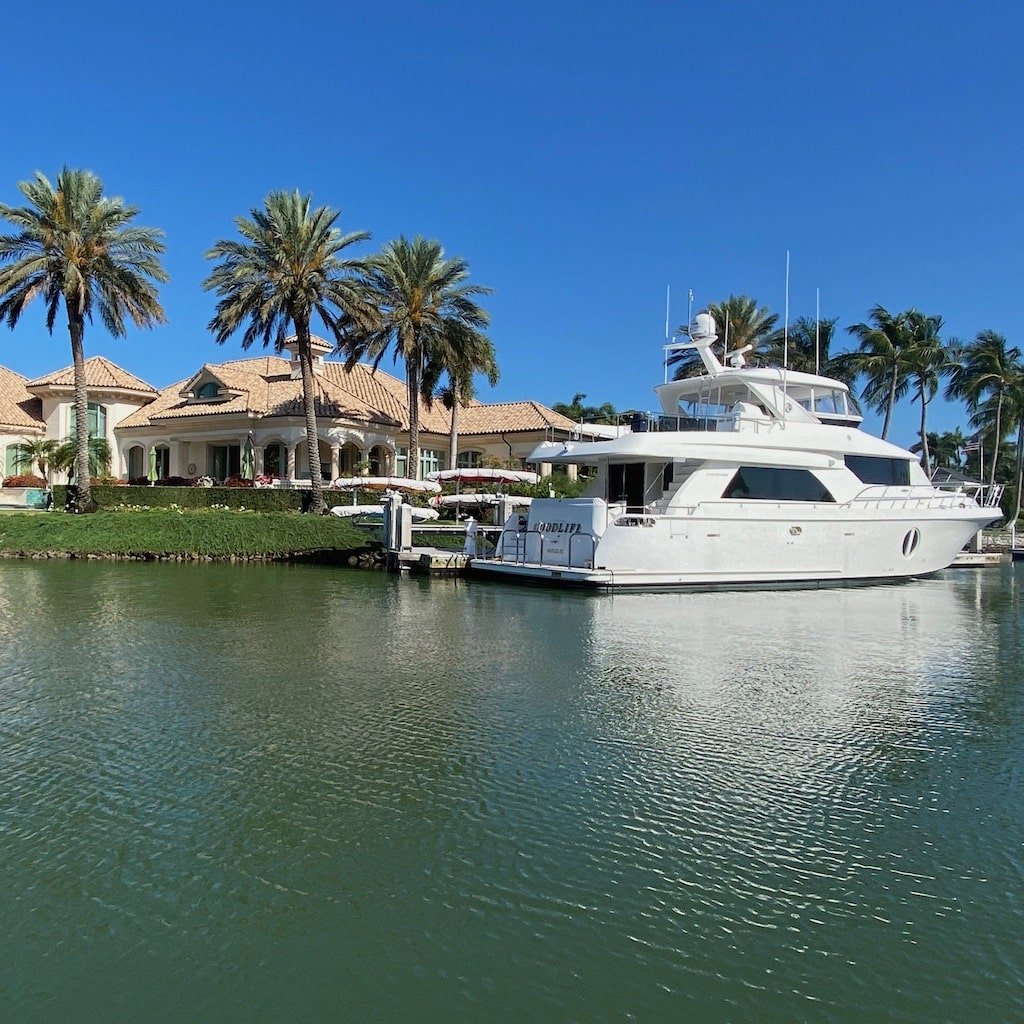
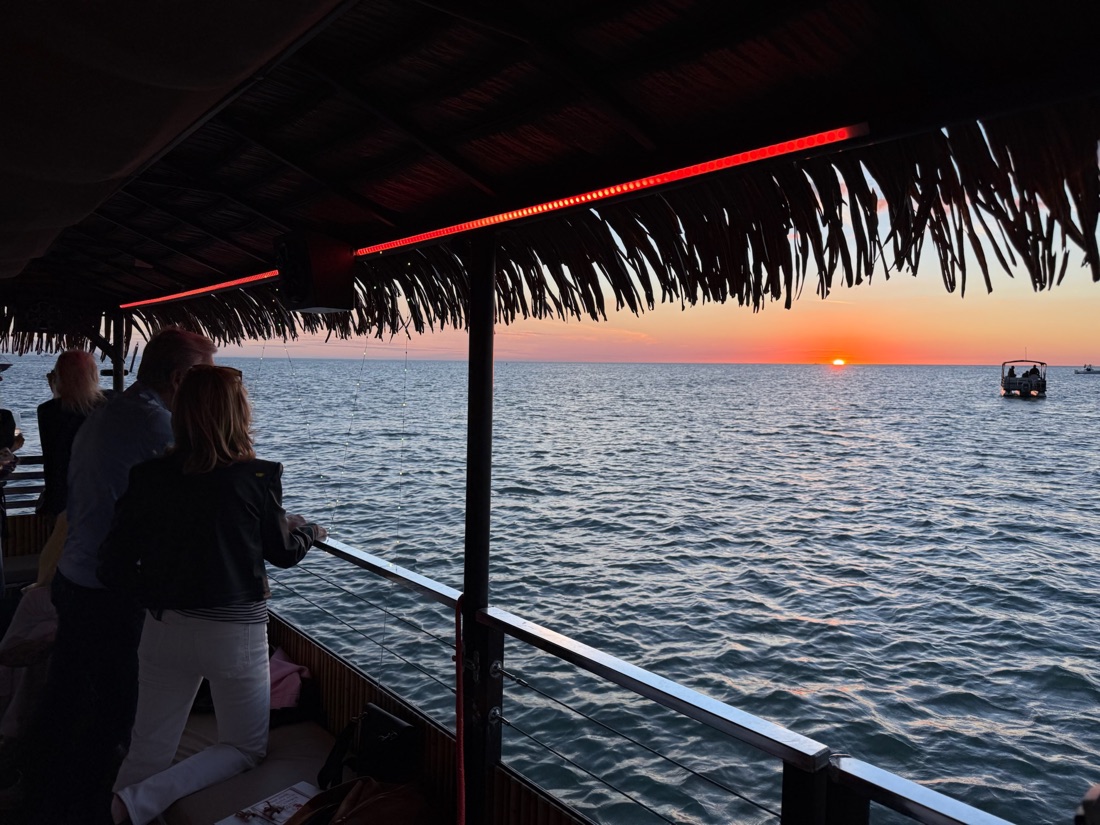
We also front-load whatever’s most weather-dependent. Dolphins tend to show more readily earlier in a run, before boat traffic builds, so we’ll often work that in first rather than last. Sunset, on the other hand, only works at one specific time no matter what — so that’s the stop we build the whole schedule backward from. If the tide’s dead low when we’d otherwise swing wide past the mangrove flats, we’ll trim that stop shorter and add the extra minutes to the pass through open water instead. Everything else, the island beach stop and the pass through Port Royal, gets slotted into whatever time is left without rushing either end.
Once we’re moving, your captain points out what to watch for rather than just where we’re going — a shadow under the surface that might be a ray, a line of birds working bait, the change in water color where a pass meets open Gulf. First-timers don’t always know what they’re looking at yet, so we narrate more on this trip than on any other, because half the point is teaching your eye to spot it yourself by the end of the ride.
That’s really the difference on a first-timer’s trip: less about hitting every highlight and more about giving you a coherent story of the coast, in the order that makes it click. By the time we idle back toward the dock, you should be able to point at a pass or a mangrove line and name it yourself — which is usually how we know the order worked, and a fair sign you’ll be back to try one of our island stops properly next time.