Before anyone’s aboard, your captain has already made a call that shapes the whole trip: how many stops, how long at each, and how much time on the open Gulf versus tucked in calm water. With younger kids along we lean toward more stops and shorter runs between them — a five-minute run feels endless to a six-year-old, but three two-minute hops with something to see at each end keeps everyone happy. That call gets made before you ever step aboard, based on ages more than anything else.
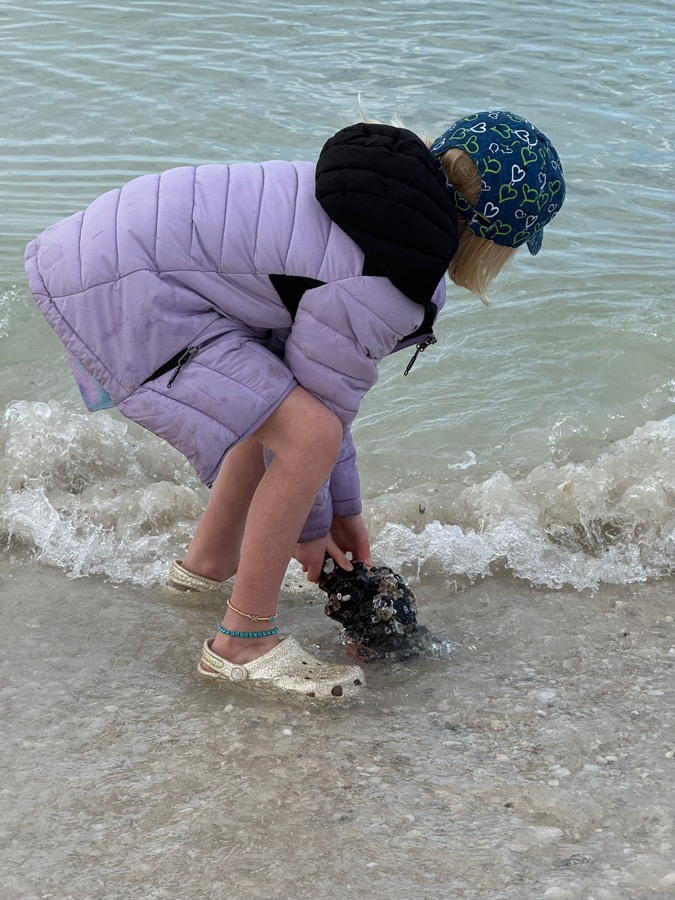
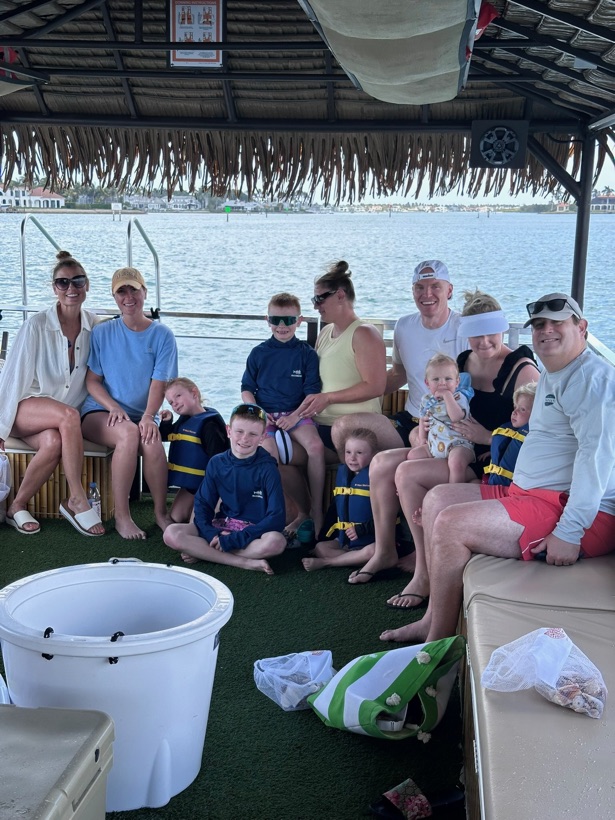
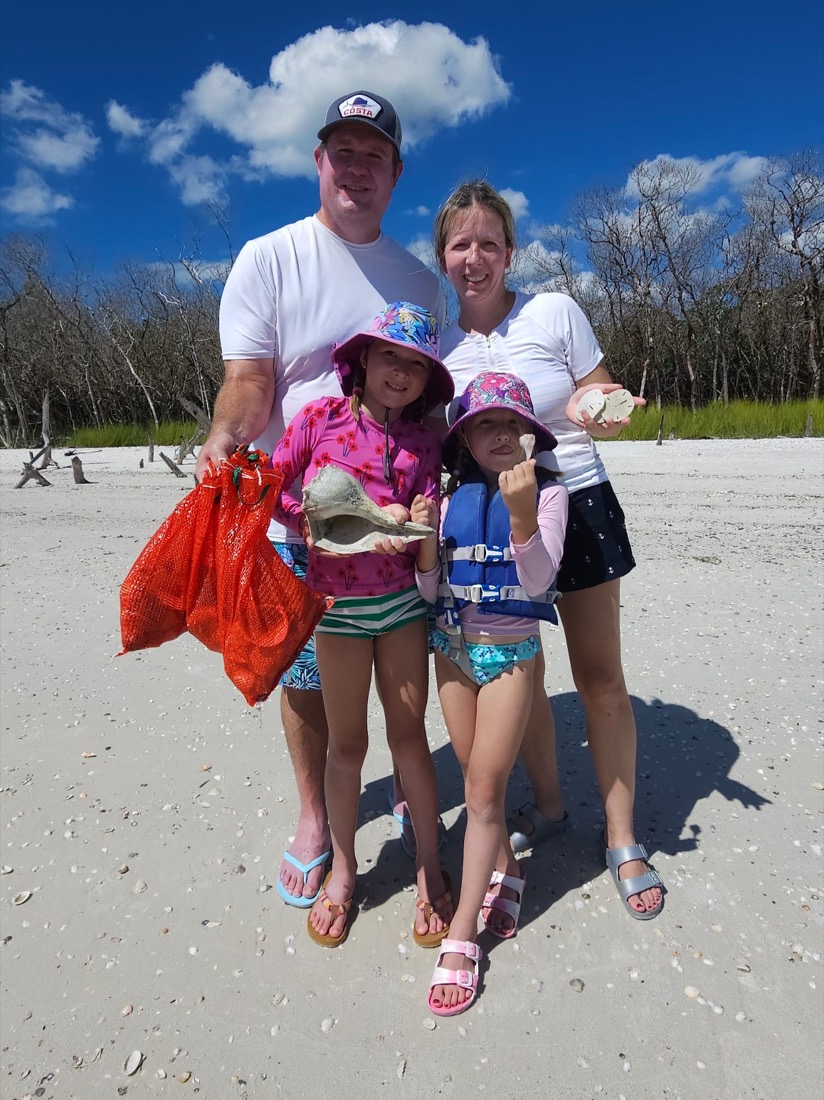
The rig changes too. We run the bimini top fully extended rather than half-open, because kids overheat faster than adults notice, and we stage the swim ladder down and ready instead of folded, so a quick dip doesn’t turn into a production. Life jackets get sized and set out before the kids are even aboard rather than dug out mid-trip, and we keep a net and a bucket handy at the rail for shells scooped up along the way — empty ones only, which we’re happy to remind the kids of before anyone reaches down. We’ll also point out early where the wet non-skid matting starts, since a barefoot dash across dry deck to a wet ladder is the fastest way to a skinned knee.
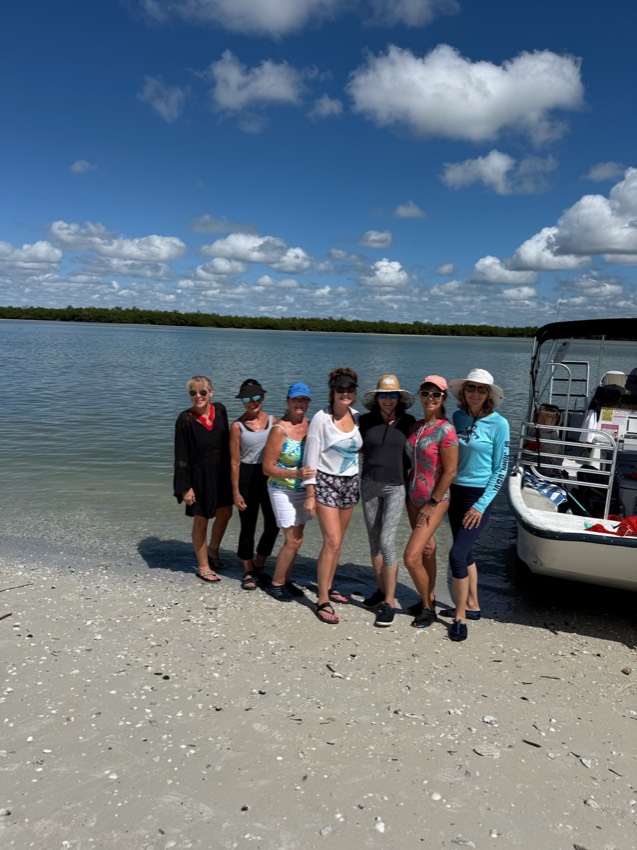
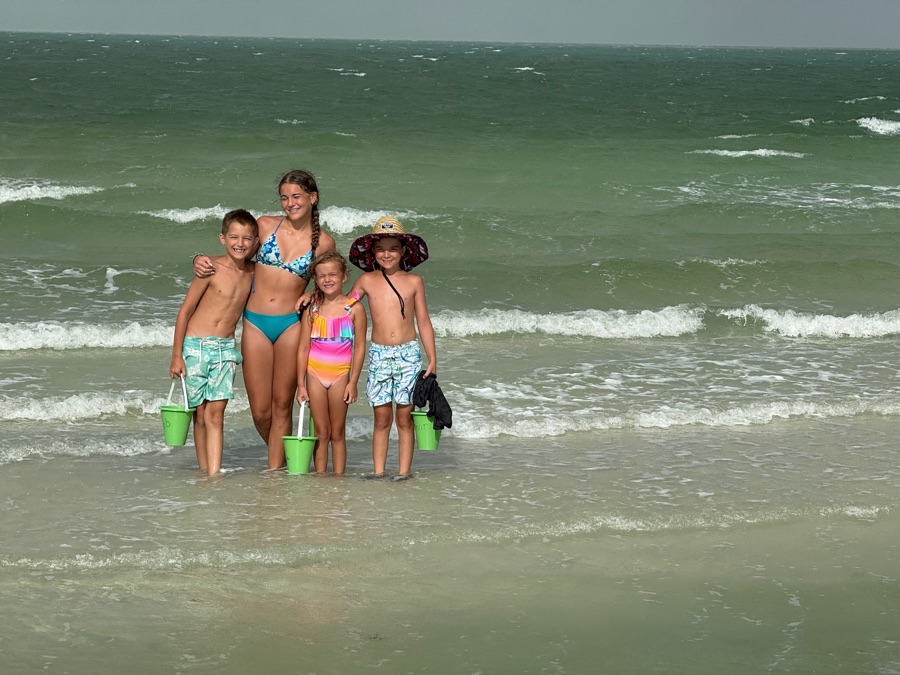
Our favorite stop for splashing is the shallow sandbar tucked inside Big Marco Pass, which only shows itself a couple of hours either side of low tide. We’ll time the run so we’re standing on it with the water barely at the knees instead of arriving to find it half-covered. Current is minimal there, and the bottom is firm sand rather than the soft mud you’ll find in some of the back creeks — an easier place for small feet than it looks from the boat.
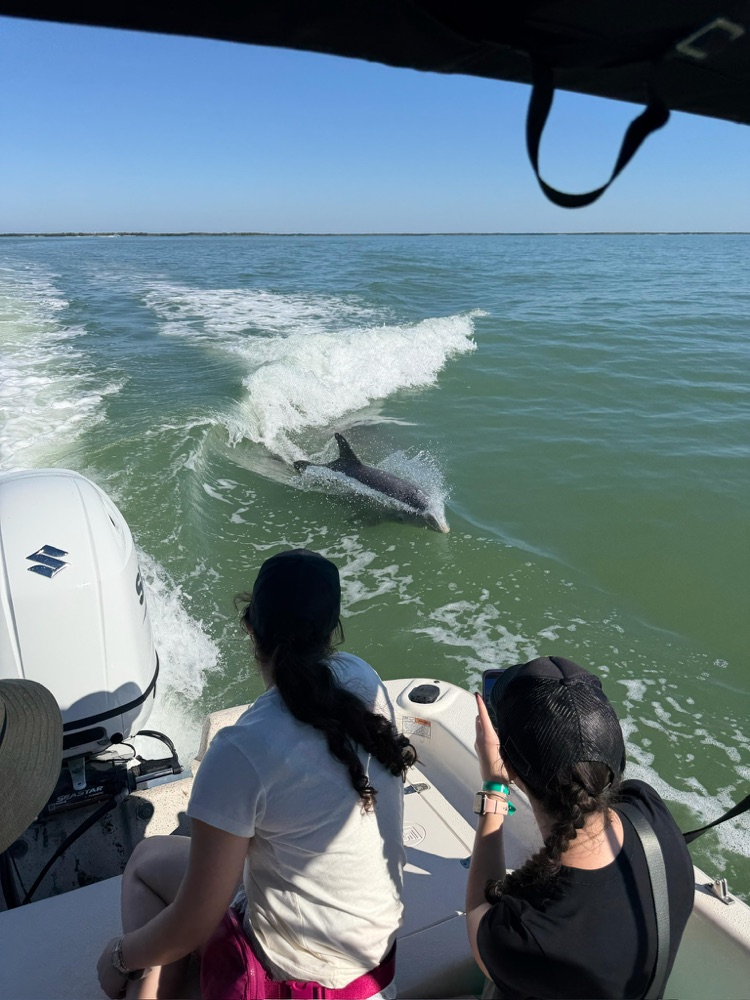
If the tide’s wrong for that sandbar when you’re aboard, we’ll shift instead to a quiet run up a mangrove creek, slowing right down so kids can watch for herons and the occasional splash without needing open water to enjoy the trip. We’d rather change the stop than force a plan that doesn’t fit the tide that day, and we’ll slow our speed on that reroute more than we would for adults, since a bouncy ride unsettles small stomachs faster than it does anyone else’s. A dolphin sighting along the way tends to do more for keeping kids engaged than any stop we could plan ourselves.
We also hand kids small jobs at the rail — spotting for dolphin fins, holding the shell bucket, calling out when they see a bird — because a job holds a seven-year-old’s attention longer than any view will on its own. It’s a small trick, but it’s the difference between a trip where kids ask when they can get off and one where they’re still talking about it on the ride home. At the dock afterward we’ll often let them help coil a line, a small job that turns getting off the boat into as much fun as getting on it. That’s really what we’re rigging the whole afternoon around.