
📜 At a glance
- Dedicated
- December 6, 1947, by President Harry S. Truman
- Where
- Everglades City, Florida — the park’s Gulf Coast gateway
- Why it mattered
- First U.S. national park preserved for its ecosystem, not its scenery
- Key advocates
- Ernest F. Coe and Marjory Stoneman Douglas
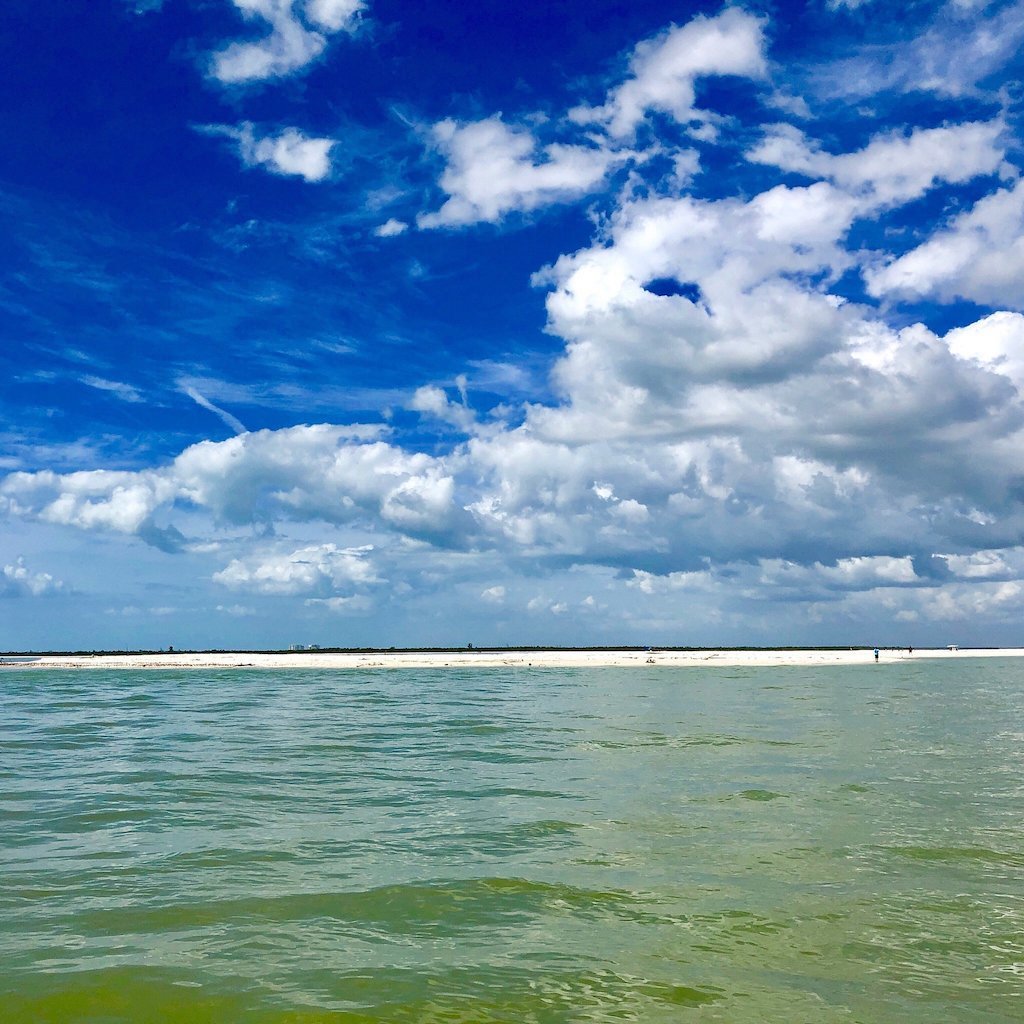
- Gulf Coast wilderness
- The Ten Thousand Islands — no roads in, water access only
How Everglades National Park was dedicated in 1947
Every other national park up to that point had been set aside for something you could stand in front of and photograph — a canyon rim, a waterfall, a granite peak. Everglades National Park was different from the start. When President Truman traveled down to Everglades City on December 6, 1947, he was dedicating 1.3 million acres of sawgrass prairie, mangrove estuary and open water, protected simply because the living system itself — the wading birds, the nursery flats, the slow sheet-flow of fresh water into the Gulf — was judged worth saving. It was the first park in the country founded on biology instead of scenery, and that idea started right here on this coast.
Truman didn’t dedicate the park in Miami or at some inland overlook. He did it at Everglades City, then the seat of Collier County and the closest real town to the new park’s Gulf Coast boundary. That wasn’t an accident. Everglades City was the practical jumping-off point for the western Everglades, the same role it plays today as the gateway to the backcountry — a story we tell in full on our Everglades City history page. What made the day possible had actually started thirteen years earlier: Congress authorized Everglades National Park back in 1934, but authorizing it on paper and actually owning the land were two very different things. It took over a decade of purchases, much of it funded by the State of Florida so the land could be handed over to the federal government, before there was an actual park to dedicate.
Ernest Coe & Marjory Stoneman Douglas: the fight for a different kind of park
None of it happens without Ernest F. Coe. A Miami landscape architect with no formal reason to care about a mosquito-thick swamp, Coe fell for the Everglades anyway and spent the better part of two decades making everyone else see what he saw. He founded the Tropic Everglades National Park Association in 1928 and spent the next twenty years lobbying Congress, drawing and redrawing boundary maps, and refusing to let the idea die during the Depression and a world war. He got his park in the end, though not quite the one he’d fought for — the final boundaries were smaller than what Coe had pushed for, and by most accounts he wasn’t entirely satisfied with the compromise even as he watched it become real. History was kinder to him than the final map was; the park’s visitor entrance near Homestead carries his name today.
The other name that belongs next to Coe’s is Marjory Stoneman Douglas. In that same pivotal year, 1947, she published The Everglades: River of Grass, and in doing so rewrote the entire public argument for the park almost overnight. Most Floridians at the time still thought of the Everglades as a worthless swamp, good for nothing but draining. Douglas reframed it as exactly the opposite — a slow-moving, life-sustaining river, not a swamp at all — and that single idea landed in bookstores at the precise moment the political case for the park was being made. She went on to spend the rest of a very long life defending this water, and the timing of her book and Truman’s dedication ceremony, the same year, was no small coincidence in how the story of this coast gets told.
Why the Gulf Coast entrance made the Ten Thousand Islands a boating wilderness
Everglades National Park actually has two very different front doors, and they tell two different stories. The eastern entrance, off US 41 near Homestead, connects by paved road all the way down to Flamingo. The western entrance, at Everglades City, connects to nothing by road at all. Past the Gulf Coast Visitor Center, there’s no highway into the backcountry — just water, mangrove channels and the maze of mangrove islands known as the Ten Thousand Islands. That single geographic fact is why this half of the park stayed wilderness. You can’t drive to most of it. You can’t build a road through it without destroying the very ecosystem the 1947 dedication protected. The only way in has always been a hull.
That access point still works the same way it did the year Truman spoke. Paddlers put in at the Gulf Coast Visitor Center to run the Wilderness Waterway, a backcountry route stitching Everglades City to Flamingo through miles of mangrove tunnels and open bays. Boaters run the same passes and channels our captains have learned over generations, tracing the same Gulf Coast edge that made this park’s western half impossible to develop and, frankly, impossible not to fall in love with. It’s the same water you’ll cross on a Ten Thousand Islands tour with us today — the park boundary runs right along the edges of where we run our routes.
What you can see of the park's western door today
The remarkable thing about this coast is how little it’s changed since 1947. Because the Gulf Coast side of the park has no road network and never will, the mangrove islands, oyster bars and tidal creeks you’ll see from our boats today look startlingly close to what Truman’s ceremony was protecting in the first place. You might spot an osprey working a channel, a pod of dolphins working a tide line, or a wading bird rookery tucked into a mangrove stand — sightings are never guaranteed out here, but the habitat behind them hasn’t been paved over, and that’s the entire point of what got dedicated that December day.
Guests on our private charters and shelling tours skirt this protected edge every trip, running the same passes that made the western Everglades a boating-only wilderness instead of a drive-through park. If it’s the history you want, this whole chapter — Coe’s decades of lobbying, Douglas’s book, Truman’s ceremony at Everglades City — reads best from the water it was written to protect. Explore more of this coast’s documented past on our Local History hub, or come see the park’s wild edge for yourself.
| Year | Milestone |
|---|---|
| 1928 | Ernest F. Coe founds the Tropic Everglades National Park Association to push for federal protection |
| 1934 | Congress authorizes Everglades National Park, though land still needs to be acquired before it can open |
| 1947 | Marjory Stoneman Douglas publishes The Everglades: River of Grass, reframing the swamp as a river worth saving |
| Dec. 6, 1947 | President Truman dedicates the park at a ceremony in Everglades City, its Gulf Coast gateway |
| Today | The Gulf Coast Visitor Center anchors water-only access into the Ten Thousand Islands backcountry |