
🏝️ At a Glance
- Gulf water temp
- Upper 80s°F — bathwater warm, no wetsuit needed
- Best departure
- The first boat out — beats the heat and the afternoon radar
- Weather pattern
- Glassy, sunny mornings; sea-breeze storms build most afternoons
- Crowd level
- Marco’s public beaches are July-packed; the boat-only islands stay open
- Wildlife note
- Nesting loggerheads (May–Oct) and year-round bottlenose dolphins
- Rule
- Empty shells only if you collect — Collier County law
Is July Good for Island Hopping Around Marco Island?
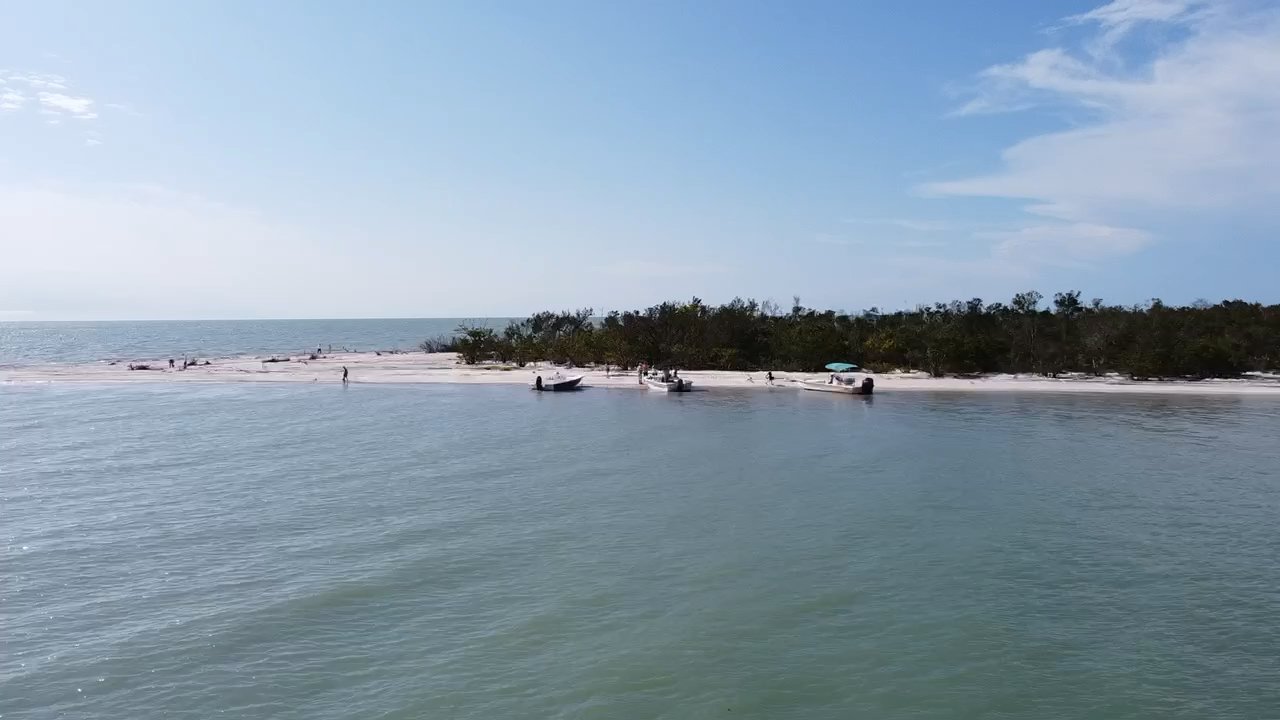
Short answer: yes, and it’s not close. July is Southwest Florida’s sandbar season at its absolute peak — the Gulf sits bathwater warm, the mornings run glassy calm before the wind and heat build, and the boat-only barrier islands never fill up the way Marco Island’s own drive-up beaches do in the middle of summer. If you’ve already picked July for your trip, this is the month island hopping was built for: less about bundling up and beachcombing (that’s more a January game) and more about swimming, floating and letting the kids loose on a sandbar that’s basically yours for a morning.
The honest caveat, because we don’t sell fluff: July is also peak family-vacation season on Marco Island, and it sits inside hurricane season, so the crowd and the weather both call more of the shots than they do in the shoulder months. Neither one is a reason to skip it — they’re just the two variables our captains plan around every single trip. Compare how the month stacks up against the rest of the year on the full seasonal guide, or see how our captains build the whole month’s schedule on the July boat tour rundown.
July’s Tide Script and the Bathwater Gulf
Here’s the mechanic behind a July trip. Around the summer new and full moons, the Gulf’s lowest tides of the day tend to fall in the late afternoon and evening instead of daybreak — the reverse of winter’s morning minus lows. For a shelling walk that swing matters enormously; for island hopping it matters less, because the whole point of the day is the swim, not the exposed sand flat. What you actually want is a falling or low morning tide to widen the sandbar you’re anchored off, paired with water that’s warm enough to jump straight in without a second thought — and July delivers both. Gulf temperatures run in the upper 80s°F this time of year, genuinely bathwater warm, no wetsuit, no cold-shock hesitation before the kids cannonball off the bow.
That warmth is really the whole trade you’re making in July. Where a January trip is about crisp air, layered clothing and long walks on empty sand, a July trip is about spending hours actually in the water — floating, snorkeling the shallows, wading out to a mid-tide bar that wouldn’t exist an hour earlier or later. Running out of Goodland into the Ten Thousand Islands also keeps the whole thing efficient: shorter runs to the barrier islands than a longer haul from downtown Naples, which matters even more in July when you want as much of the morning as possible spent island-side instead of underway.
Beat the Heat and the Afternoon Storms
Southwest Florida runs on a predictable summer rhythm in July: clear, glassy mornings, building humidity by late morning, and a good chance of a pop-up sea-breeze thunderstorm somewhere on the radar by early-to-mid afternoon. It’s rarely an all-day washout — usually an hour or two of buildup and rain that clears out by evening — but it’s exactly why the smart move every July morning is to be the first boat out, not the last. Our captains watch the radar all season and time routes and return legs around it, which is the real reason an early departure is the sweet spot this month, not just a scheduling preference.
Heat is the other half of it. July puts you into upper-80s water and a heat index that can climb fast by midday, so departing early also means you’re swimming and exploring in the coolest, most comfortable stretch of the day instead of standing on open sand at 1 p.m. Book the earliest slot you can, swim hard in the first couple of hours, and treat the radar-driven return time as the captain doing the job right — not cutting your trip short.
Where to Go: Keewaydin, Kice and Cape Romano
Not every stop on a July run earns its place the same way. Keewaydin Island and Kice Island are the workhorses of the trip — long, boat-only barrier strands with wide sandbars perfect for anchoring up, wading and letting a group spread out without tripping over another family’s beach chairs. Because you can’t drive to either one, they absorb July’s summer crowds without ever feeling like it; a beach that would be shoulder-to-shoulder on Marco Island’s own sand stays roomy when the only way in is by boat. That’s the core promise of a proper island hopping tour, and it’s doubly true in July.
Cape Romano is the stop most people ask for by name, and it’s worth a slightly different kind of honesty. The famous dome houses that once stood offshore were toppled by Hurricane Ian in 2022, and what’s out there today is a set of half-submerged ruins, tilted and partly underwater depending on the tide — striking to see, but not the standing structures from older photos you might find online. It’s still one of the more memorable stops on a Ten Thousand Islands run, especially on a calm July morning when the water’s clear enough to really see what’s left. For a quieter alternative to Marco’s main beaches on the way back, the secluded beaches our captains run make a strong July pick too.
Wildlife You Might See in July
July puts you right in the middle of two of the season’s best wildlife windows. Bottlenose dolphins live in these waters year-round, and our captains regularly spot them working the passes on the ride out — riding the bow wake, feeding along a channel edge — never a guarantee on any given trip, but a genuinely common sight. July also falls squarely inside loggerhead sea turtle nesting season, which runs May through October on Gulf beaches; you won’t typically see the turtles themselves from the boat since nesting happens after dark, but it’s part of why our captains treat the barrier islands with real care this time of year, and why any shell, sand dollar or starfish you pick up along the way has to be empty — Collier County protects anything still occupied, no exceptions.
What to Pack for a July Island-Hopping Trip
Pack for heat and water, in that order. Reef-safe sunscreen and a wide-brim hat matter more in July than any other month — the sun sits nearly overhead and there’s little natural shade on a sandbar. Water shoes are worth it for comfort wading the shallows and for sharing that water respectfully with the local sand dollar, the keyhole urchin, which you’ll want to admire and leave right where it’s living. Bring more water than feels necessary, a rash guard if you burn easily, and a dry bag for your phone if you plan on actually swimming, which in July you should. A mesh bag is handy too, for any empty shells you pick up along the way home.
If you’d rather let a captain handle the tide, the radar and the timing for you, that’s the whole idea behind booking a guided run instead of piecing one together yourself — especially in a month where the window to get it right is narrower than it looks. Bring your sense of adventure, book the early slot, and let the Gulf do the rest.
| Island | Access | Best For | July Note |
|---|---|---|---|
| Keewaydin Island | Boat-only | Wide sandbars & swimming | Stays roomy while Marco’s beaches fill |
| Kice Island | Boat-only | Wading & quiet stretches | Fewer families than the mainland beaches |
| Cape Romano | Boat-only | The toppled dome ruins | Best viewed on a calm, clear July morning |