
⚓ At a glance
- Official season
- June 1–November 30 (Atlantic hurricane season, per NOAA)
- Climatological peak
- Mid-August through mid-October is statistically the most active stretch
- Typical day
- Ordinary sun, sea breeze and maybe an afternoon shower — not a storm
- Warning window
- Real tropical systems are tracked days out by the National Hurricane Center
- Our approach
- Captains check the tropical outlook daily, all season, not just when it looks bad
- If it’s real
- You’re contacted proactively to reschedule — see our cancellation policy
What Hurricane Season Really Looks Like on Marco Island
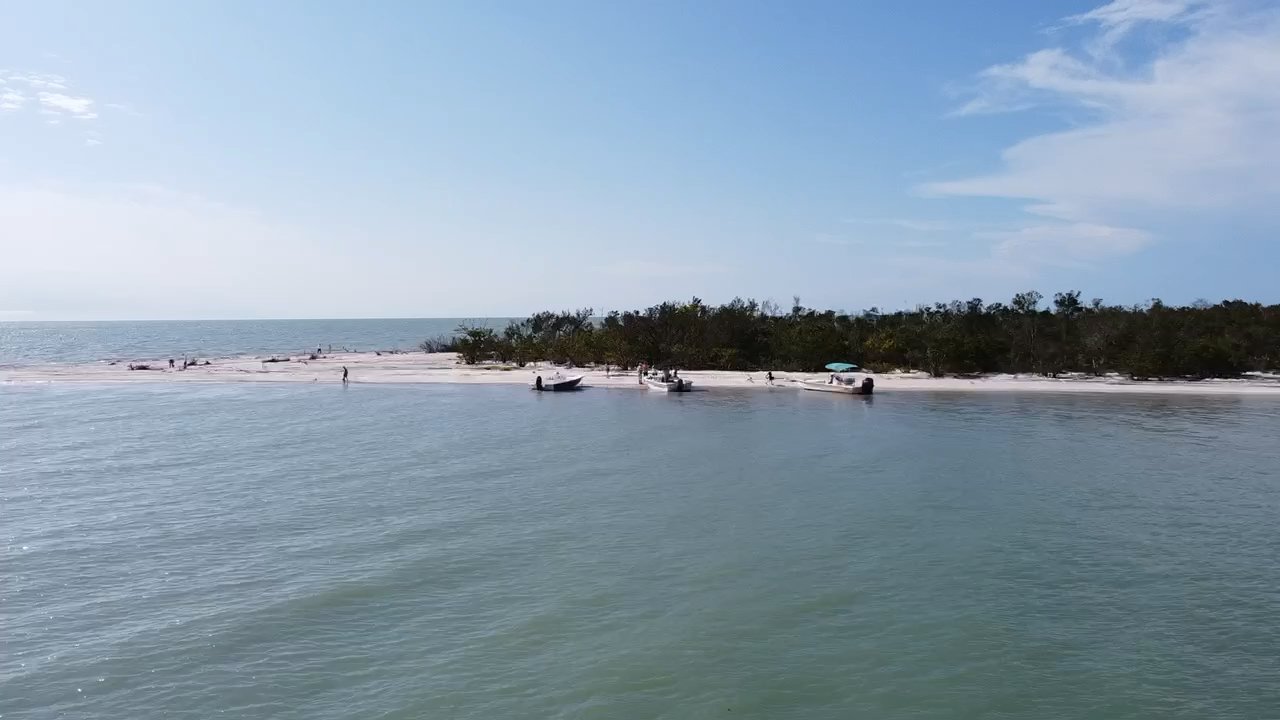
Say the words “hurricane season” and a lot of visitors picture six straight months of ominous skies. That’s not what it looks like from the helm. Hurricane season is a calendar window — June 1 through November 30 — during which tropical storms and hurricanes are possible in the Atlantic basin. It says nothing about what any single day actually brings. On the water out of Marco Island and Goodland, the overwhelming majority of those roughly 180 days are just Florida summer and fall: warm mornings, a building sea breeze by early afternoon, glassy runs through Gordon Pass, and maybe a pop-up shower that clears in twenty minutes. That’s garden-variety Gulf Coast weather, the same pattern that shows up whether it’s hurricane season or not.
In most years, only a handful of named systems ever get close enough to Southwest Florida to matter for a trip at all, and plenty of those pass well offshore or make landfall somewhere else on the coastline entirely. The Ten Thousand Islands also do our boats a favor: the maze of mangrove islands and shallow passes around Rookery Bay and Cape Romano breaks up wind and chop long before it reaches the inshore water, so even a blustery, breezy day out here often runs calmer than the open Gulf forecast would suggest. None of that means storms aren’t real — they are, and we respect them completely — it just means “hurricane season” and “hurricane on the way” are two very different things, and conflating them is what scares people out of a trip they’d otherwise love. Whether you’re booking a sunset cruise, a dolphin tour, or a morning out on the water for shelling, the calendar date matters far less than the actual forecast for that week.
How Our Captains Watch the Tropics Before You Ever Have To
You don’t need to refresh the National Hurricane Center yourself — our captains already do, every single day of the season, storm or no storm. It’s just part of running a boat here from June through November. The NHC issues a Tropical Weather Outlook multiple times a day, tracking every tropical wave, disturbance and “invest” crossing the Atlantic long before it’s a named storm, let alone a hurricane. Once something organizes, forecasters publish a five-to-seven-day cone of uncertainty that narrows with every update as the system gets closer. That gives everyone on this coast — captains, marinas, and guests alike — a running start measured in days, not hours.
In practice, that means a storm spinning up near the Cabo Verde Islands or churning in the Caribbean gets watched from the moment it’s worth watching, well before it could ever reach the Gulf. If a system’s forecast track and timing start to overlap with Southwest Florida and with a scheduled trip, that’s flagged internally days ahead of the actual weather, not the morning of. If you want to follow along yourself, or just understand the vocabulary captains use — watch versus warning, what the cone actually represents, why forecasters hedge on intensity — our guide to reading a marine forecast breaks it down in plain language. The short version: nothing about a real storm reaching this coast happens quietly or quickly, and that lead time is exactly what lets us make good calls instead of rushed ones.
Hurricane Season, Month by Month
Not every month of hurricane season carries the same odds, and knowing the shape of the season helps put any one set of travel dates in perspective. Climatologically, activity builds slowly through early summer, ramps up hard by late summer, and tapers off again heading into late fall. None of this predicts what will happen in any given year or on any given week — it’s the long-run average NOAA tracks, not a forecast for your trip — but it’s useful context if you’re choosing dates. For a deeper, week-by-week look at temperatures, rain patterns and how mornings versus afternoons tend to run, our month-by-month boating guide goes well beyond storm odds into what an actual day on the water feels like.
| Month | Typical Gulf & weather pattern | Tropical activity (historical) |
|---|---|---|
| June | Rainy season ramps up; warm water, building afternoon clouds | Season opens; historically the quietest month |
| July | Hot, humid, classic sea-breeze storm pattern most afternoons | Still relatively quiet on average |
| August | Peak summer heat; warm Gulf water fuels afternoon buildups | Activity climbs noticeably through the month |
| September | Warmest Gulf water of the year; humid, active pattern | Climatological peak of the entire season |
| October | First cold fronts begin arriving; humidity starts to break | Still active early, tapering by month’s end |
| November | Fronts more frequent; drier air, cooler mornings return | Activity fades fast; season closes November 30 |
What Actually Happens If a Storm Approaches Your Trip
Here’s the honest, unglamorous answer: almost nothing happens, because almost nothing threatens your specific dates in any given season. But when a tropical system’s track and timing do start lining up with Southwest Florida days before your trip, the process is straightforward. Our captains are already watching the forecast, so you’re contacted proactively rather than left checking radar yourself the night before. That’s a very different conversation than the one that happens for a routine summer afternoon thunderstorm, which almost never cancels anything — captains simply route around it, shift a departure by an hour, or hold you in a protected inshore stretch of the Ten Thousand Islands until it clears.
An actual tropical storm or hurricane threat is handled differently and far more conservatively, because safety at sea isn’t a place to split the difference. If your trip falls in a window where a real system is forecast to affect this coast, our full weather policy — including how rescheduling and refunds work — is laid out plainly in our boat tour weather & cancellation policy. We’d rather you read that once, calmly, before you ever need it, than have to explain it under pressure. And if you’re curious what a direct hit actually does to this coastline — the passes, the sandbars, the barrier islands — our guide to how storms reshape the islands covers what Hurricane Ian changed here in 2022, including the now half-submerged Cape Romano dome ruins, without any of the doom-and-gloom framing the topic usually gets.
Should You Book a Florida Boat Tour in Hurricane Season?
For most travelers, yes — and it’s exactly what the local booking calendar assumes will happen, because it’s what happens most years. June through November is also when the Gulf is at its warmest, the islands are at their greenest, and rates and crowds both tend to ease off compared to the winter high season. A few honest, practical habits make the odds even better in your favor. Morning departures dodge the classic sea-breeze buildup that rolls in most summer afternoons, so an early trip is simply a smoother, drier trip on average — something our month-by-month guide lays out in more detail. If your travel dates land in the mid-August-through-mid-October climatological peak, building one flex day into your itinerary, or choosing a refundable travel arrangement, costs you nothing and buys real peace of mind.
Beyond that, there’s no secret local trick beyond what we’ve already described: check the tropical outlook the same way our captains do in the days leading up to your trip, and trust that if something worth worrying about actually develops, you will hear from us well before you need to make a decision. That’s the whole system. Hurricane season isn’t a reason to avoid Marco Island — it’s just the season, and on the vast majority of its days, it looks exactly like every other good day we run boats out of Goodland and Naples through the Ten Thousand Islands.