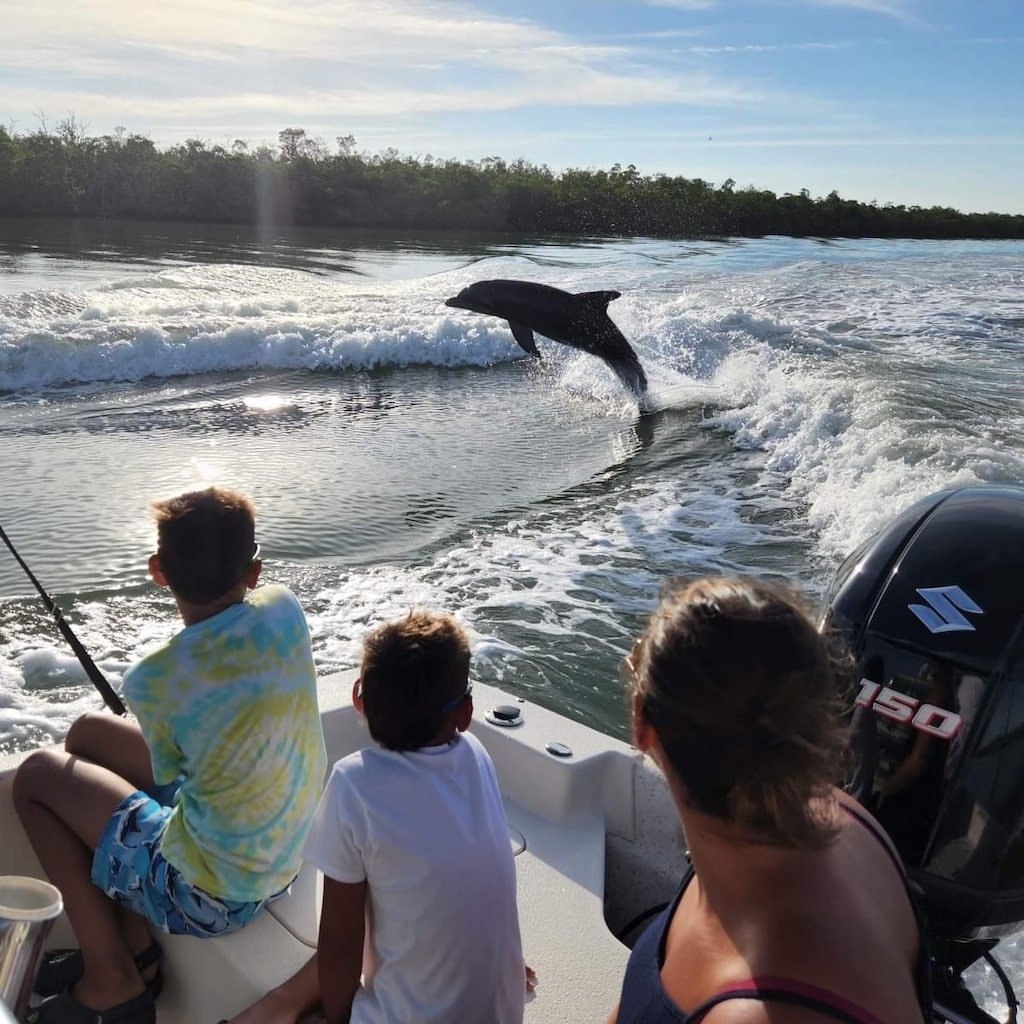
The best sign a family beach day is going well is usually a kid at the bow asking how much longer, in the good way — leaning over the rail watching for the island to come into view. We time that first sighting for right around the point where the water starts showing the sandy bottom through the surface, since that’s when the excitement really kicks in, well before anyone can actually see the beach itself.
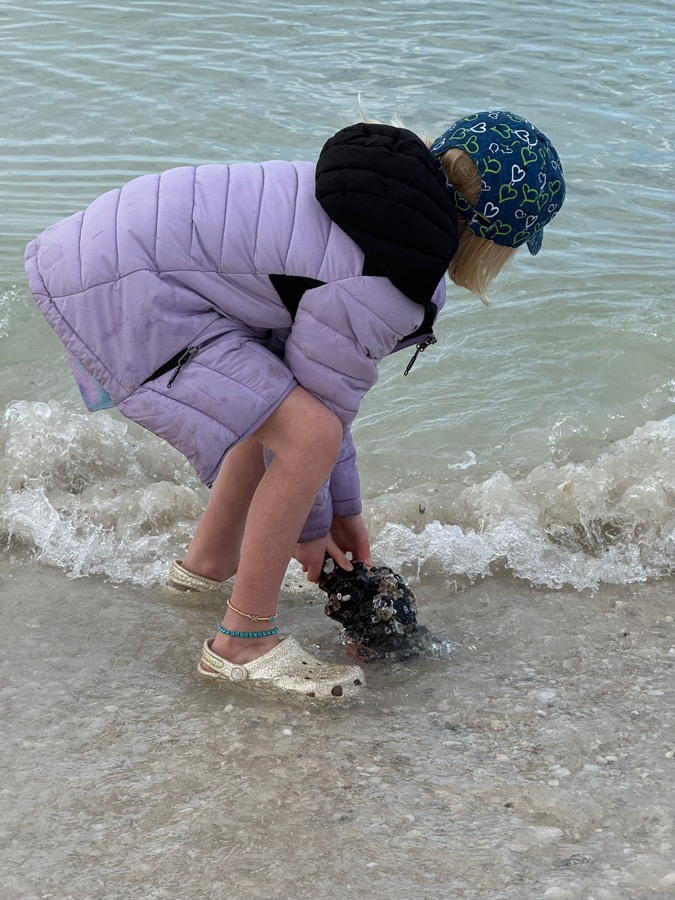
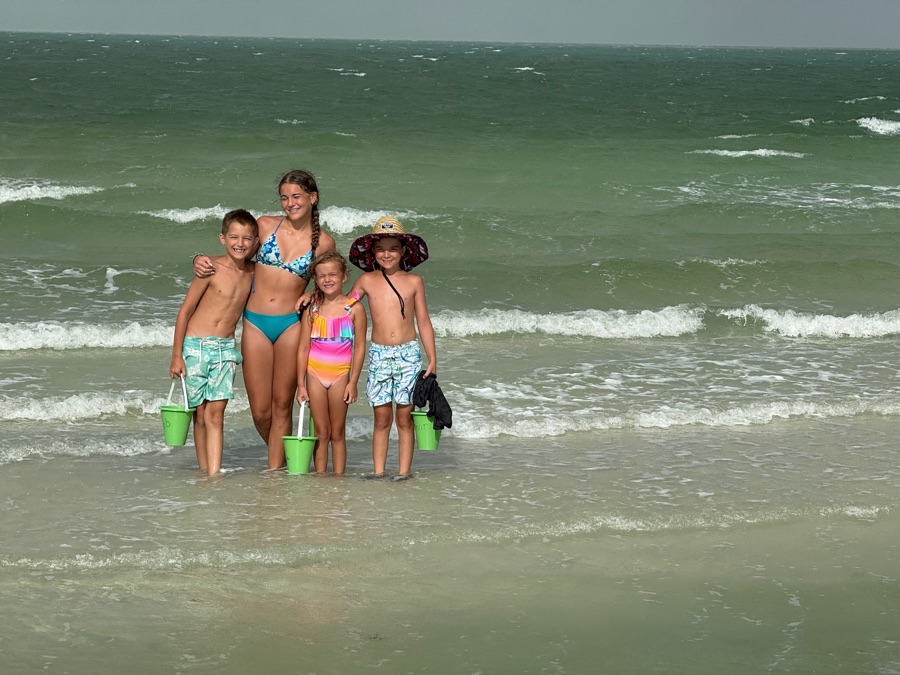
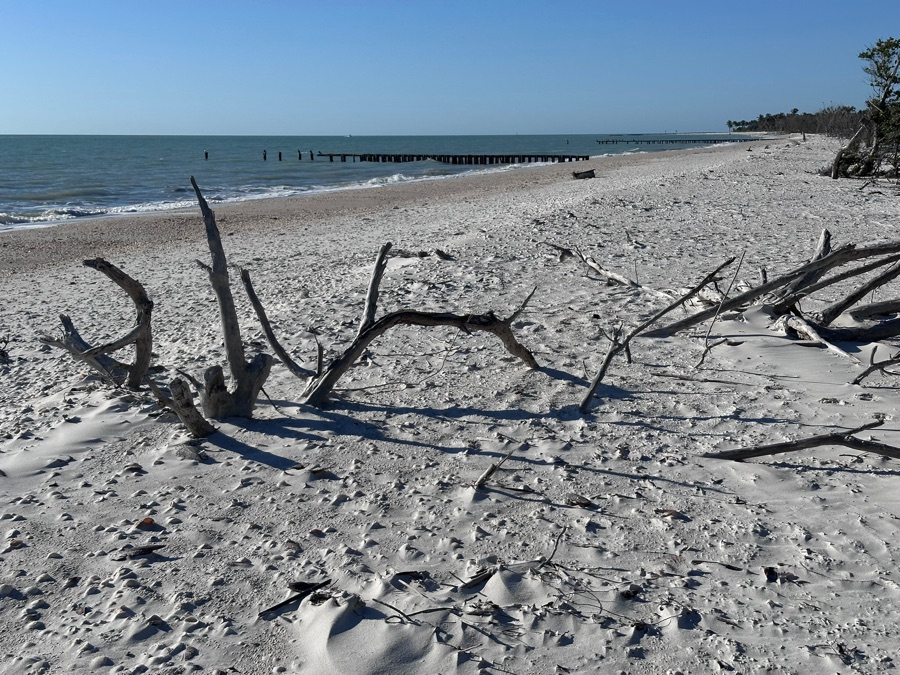
For family trips we lean toward Panther Key over some of the busier islands, since it’s a shorter, more sheltered run and the beach itself slopes gently instead of dropping off fast — a real detail when you’ve got little kids wading in before the adults have even set up chairs. We aim to land on a rising tide too, so the beach is still wide when we arrive and doesn’t disappear out from under the group by early afternoon.
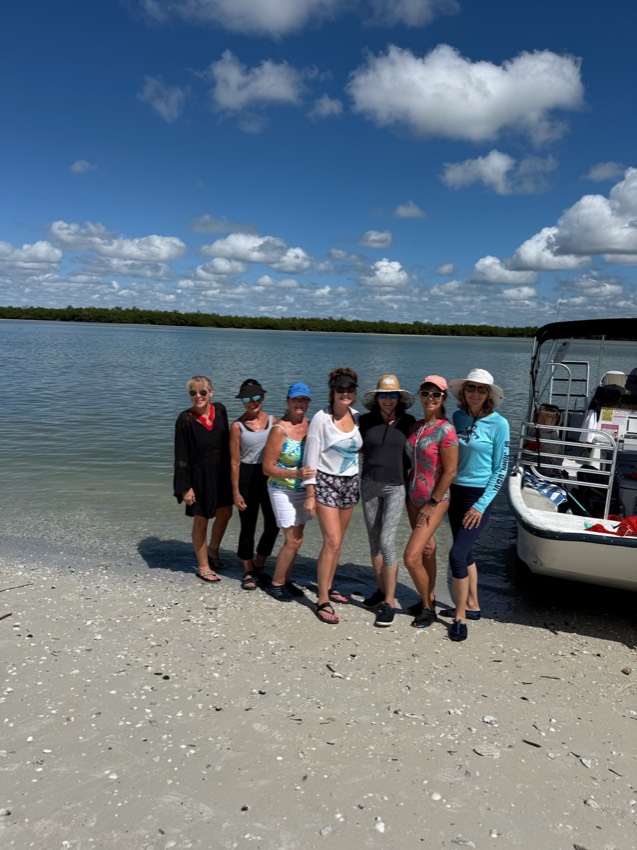
Getting a boat full of kids and gear off safely takes its own routine: we nose the bow in slow, drop the ladder, and hand every kid down individually rather than letting them jump for it, even in ankle-deep water. Coolers, buckets and shade tents come off next, in that order, so nobody’s digging through a pile of gear on the sand while a toddler wanders toward the water. We’ll set the shade tent up first among the gear too, so there’s already a cool spot waiting by the time the last cooler hits the sand.
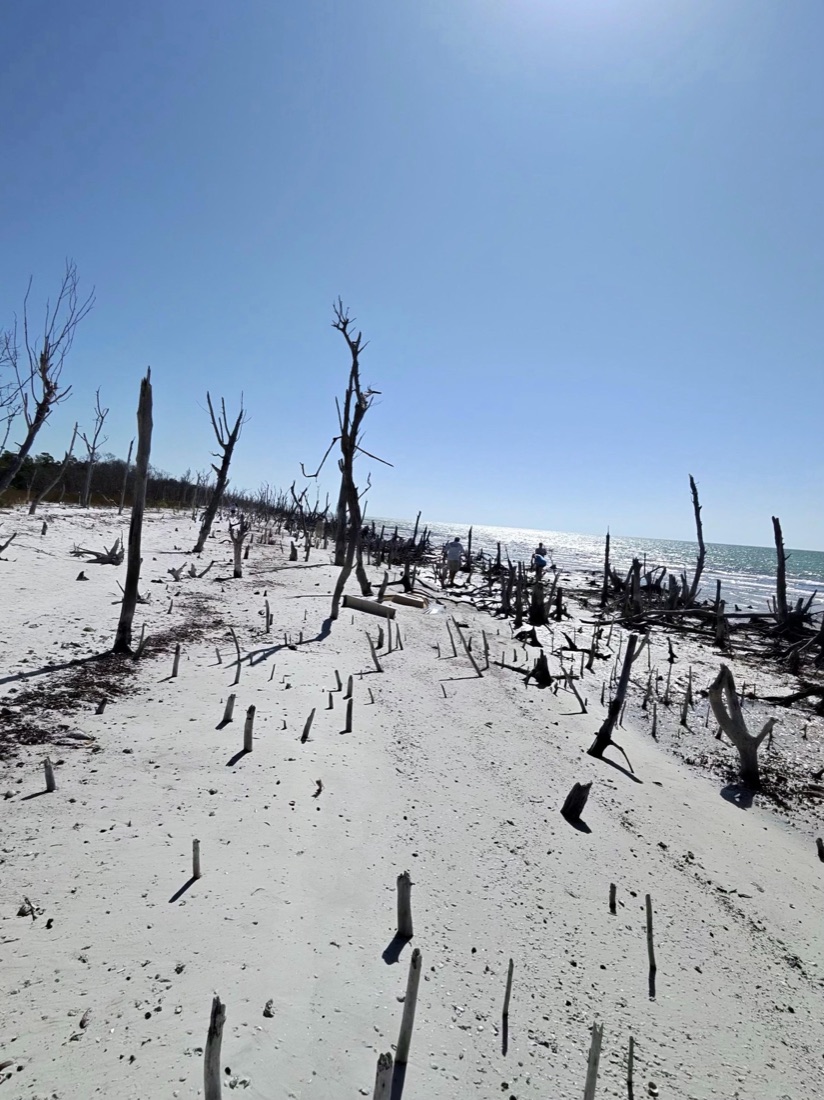
If the wind’s blowing hard onshore that morning, the swash line on an exposed beach like that can get choppy enough to spook younger kids, so we’ll shift the landing to the calmer, leeward side of the same island instead — same trip, softer water. It’s a five-minute adjustment for us, and it’s the difference between kids wading happily and kids clinging to a parent’s leg.
Once everyone’s settled, we stay close rather than anchoring off at a distance, partly so parents can actually relax instead of watching the boat, and partly so we can watch the tide as it turns and give the group a heads-up before the beach starts shrinking. A family trip runs on a different clock than an adult one, and we plan the whole afternoon around that instead of a fixed schedule.
A single beach works well for a group with younger kids who’d rather settle in than keep moving; if your family wants to see more than one island in an afternoon, our island hopping trip covers several stops instead of just one. Either way, the goal is the same — sand between everyone’s toes without the whole day feeling rushed.