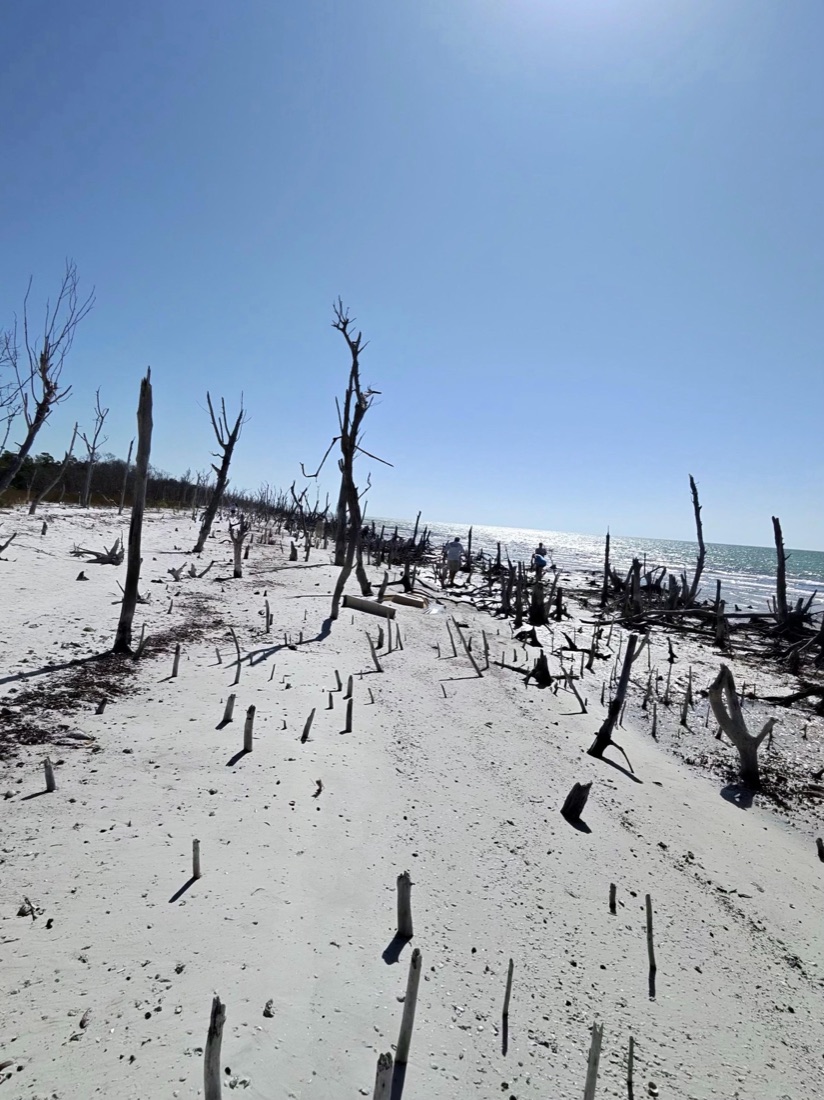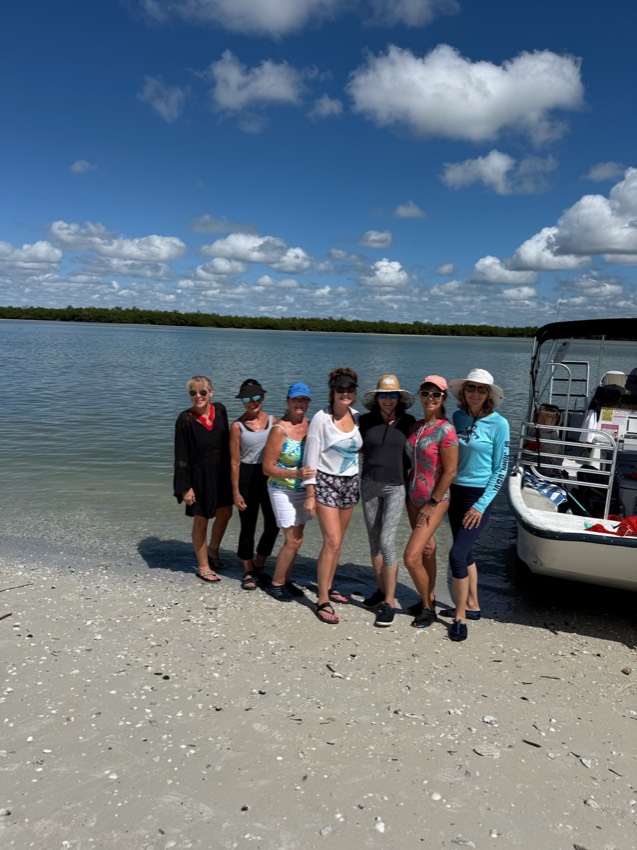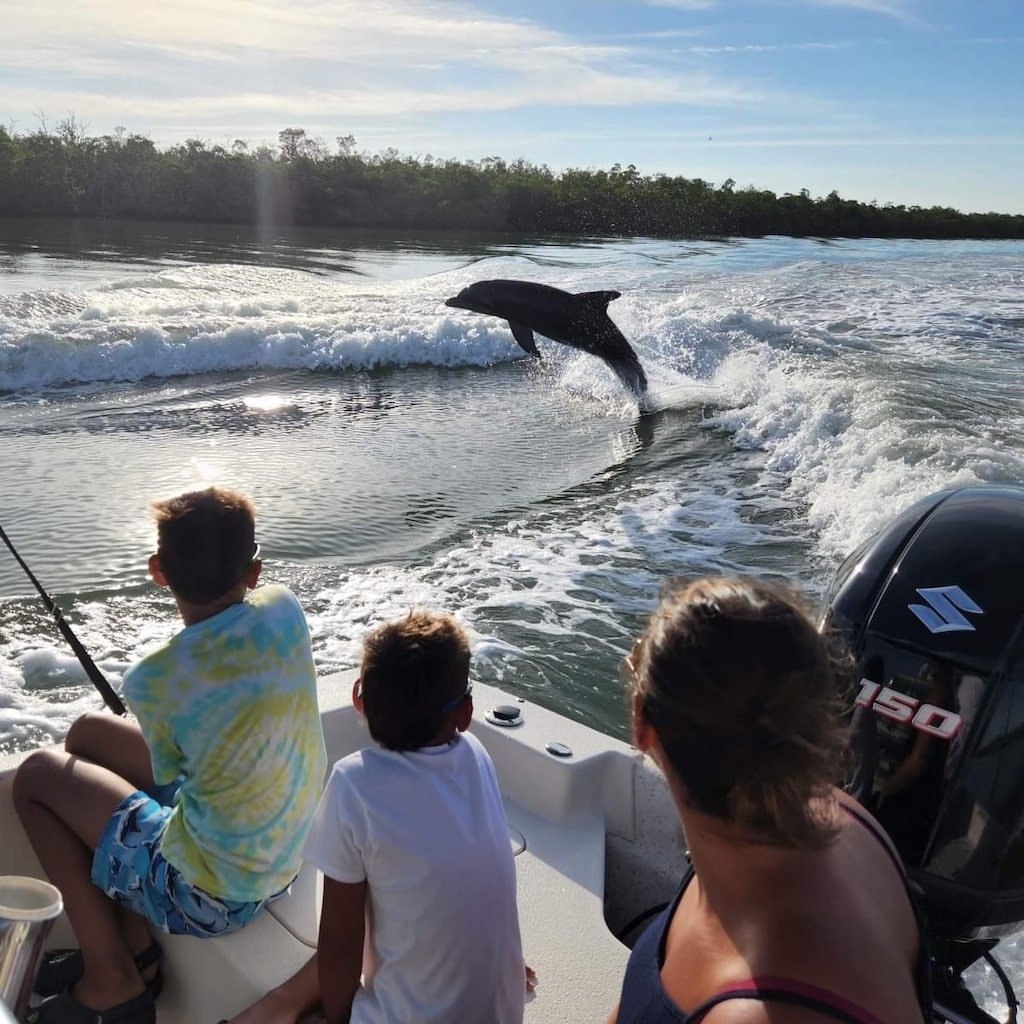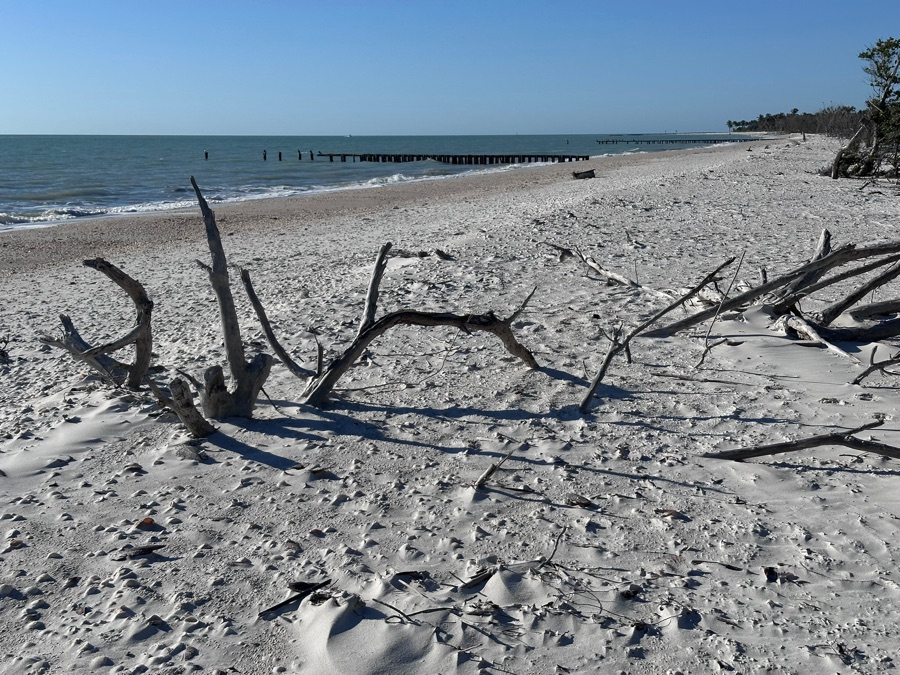
Every run to Keewaydin starts with a decision your captain makes before the lines are even off the dock: which side of the island we’re going to put you on. Keewaydin runs long and low between the Naples mainland and Rookery Bay, with Gordon Pass feeding the north end and open Gulf pounding the west face. On a west or southwest wind we tuck you into the lee on the bay side, flat calm water and an easy step-off. When the breeze swings east off the mangroves, we run you around to the Gulf beach instead, where the surf is gentler, the sand is wider, and there’s more room to spread a group out.
Tide matters as much as wind here. We like to time the landing for a rising or mid-tide window — low enough that the beach is exposed and wide, high enough that we’re not walking the boat over an exposed flat to reach the sand. Run it at dead low on a big winter tide and you’ll watch your captain idle a long, patient line around a sandbar that wasn’t there an hour before, easing the bow rather than gunning it through skinny water. That patience is the whole job: Keewaydin rewards a captain who reads the chart against what the water’s actually doing that morning, not just what it did yesterday.
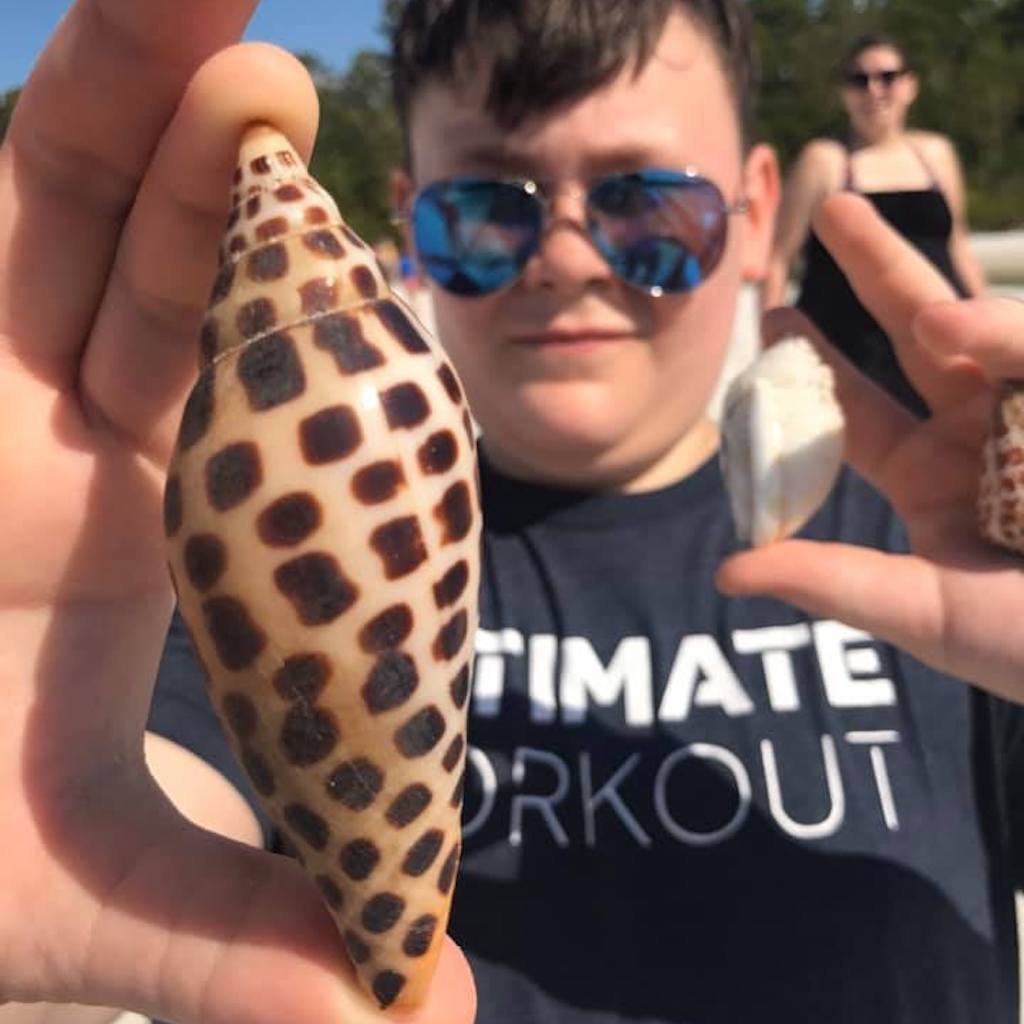
Once we’re beached, your captain sets the boarding ladder and walks the group toward the Gulf-side wrack line first — the ragged rim of shell and seaweed the last tide left behind — because that’s where the morning’s empty shells and the odd sand dollar test turn up before footprints scatter them. We’ll point out a fresh whelk versus a bleached, tumbled one, and remind everyone: empty shells only, nothing living leaves the beach in Collier County. It’s a habit our crews keep without being asked, and most guests pick it up by their second stop.
On a day when the wind won’t settle on one side, we’ll sometimes split the visit — anchoring on the calmer face for the walk in and letting guests cross the narrow neck of the island on foot to see the Gulf side breaking on the other beach. It only takes a few minutes on foot, and it’s the plan we fall back on when neither shoreline is fully protected that day.
If you’ve got a full day booked, we’ll often bridge Keewaydin with a stop at a nearby sandbar on the way back in, especially when the tide’s dropping and the water over the flats has gone glassy and warm. It stretches the swim time without adding much run time, since the bar sits almost on the route home.
What guests remember from the rail, more than the beach itself, is usually the run in — the moment the mainland drops away and there’s nothing ahead but low green island and open water. We’ll slow the boat there on purpose, just to let that sink in before the anchor goes down. For the fuller picture of the island’s history and access, our Keewaydin Island guide covers what a land visitor never gets to see.