
🏝️ At a glance
- Permit needed to land?
- No — day landings on public barrier beaches are permit-free
- Islands this covers
- Keewaydin, Kice, Cape Romano and other boat-only Ten Thousand Islands beaches
- What is restricted
- Posted bird-nesting zones and staked sea-turtle nests, year-round
- Land ownership
- Public conservation land — Rookery Bay reserve to the north, Ten Thousand Islands National Wildlife Refuge to the south
- Collecting rule
- Empty shells only in Collier & Lee County — no live shells, sand dollars or starfish
- Overnight camping
- A separate question with its own rules — not covered by a simple day landing
Do You Need a Permit to Land on These Islands?
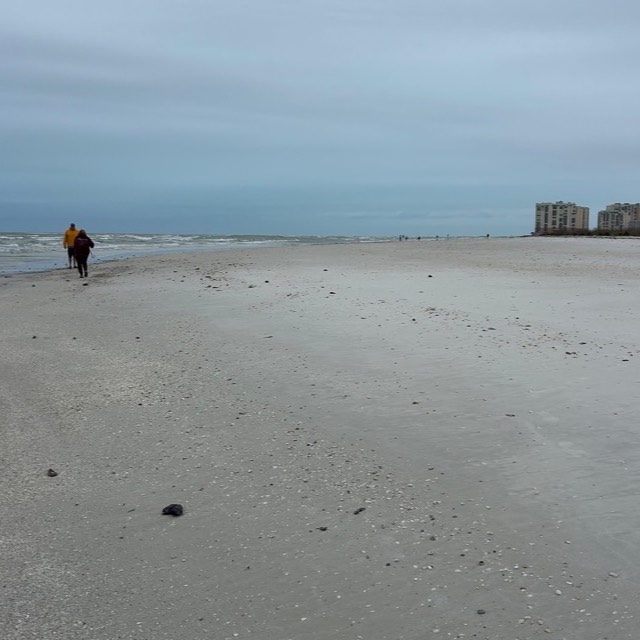
Straight answer: no. Keewaydin Island, Kice Island and the beaches ringing Cape Romano are public land, and stepping ashore for a few hours to walk the tide line, swim or hunt shells doesn’t require a permit, a reservation or a phone call to anyone. That surprises a lot of first-time visitors, because these islands feel so remote and untouched that people assume there’s a gate somewhere. There isn’t. What keeps them quiet isn’t red tape — it’s that you can only reach them by boat, and most visitors don’t have one. Bring your own vessel or book a trip with a licensed operator like us, motor across the pass, anchor or beach the boat, and you’re free to explore. It really is that simple, which is exactly why a shelling tour to one of these beaches feels like such a find.
Which Islands Does This Cover?
This no-permit rule applies to the boat-only barrier islands that make up the northern edge of the Ten Thousand Islands: Keewaydin Island between Naples and Marco, Kice Island just south of Marco through Caxambas Pass, and the beaches around Cape Romano further south, near the half-submerged dome ruins that Hurricane Ian toppled in 2022. All three sit largely within public conservation land — much of Keewaydin and the water approaching Kice fall inside the Rookery Bay National Estuarine Research Reserve, while the stretch running toward Cape Romano edges into the Ten Thousand Islands National Wildlife Refuge. Conservation status protects the habitat, but it doesn’t lock the beach behind a permit desk the way a state park entrance sometimes does. You won’t find a booth, a gate code or an online reservation system for any of them. Our Kice Island guide covers exactly what a no-fuss landing there looks like, from the approach through Caxambas Pass to what the beach itself is like once you’re standing on it.
What Actually Is Restricted, Permit or Not
Permit-free doesn’t mean rule-free, and this is the part worth taking seriously. Every one of these islands has zones that stay off-limits no matter who you are or how you got there — usually marked with posted signs, roped stakes or bright tape you can spot from thirty feet away. Bird-nesting areas are the most common example, especially in spring and summer when shorebirds like least terns and black skimmers scrape out shallow nests directly in the open sand, easy to miss and easy to crush underfoot if you’re not watching. Sea turtle nests get the same treatment during nesting season, roughly May through October, when loggerheads (the primary nester on this stretch of Gulf coast) come ashore at night to dig and lay. A staked, marked nest is protected under state and federal law regardless of any permit question, and walking through one, digging near one or disturbing it in any way is genuinely illegal, not just discouraged. Our captains give these zones a wide, automatic berth on every trip, and it costs nothing to do the same — there’s always plenty of open beach left to enjoy. Shelling has its own separate rule that applies everywhere on these islands: Collier and Lee County both require empty shells only, meaning anything still alive inside — a shell, a sand dollar, a starfish — goes right back in the water where you found it.
Landing for the Day Is Not the Same as Camping Overnight
Here’s where people sometimes get their wires crossed: a daytime landing to beachcomb or swim is a completely different question from pitching a tent and staying the night. Overnight camping on these islands runs into a separate set of rules around where you’re allowed to set up, how long you can stay and what agency’s land you’re actually camping on, and those rules can vary meaningfully from one stretch of beach to the next depending on whether it falls inside reserve land, refuge land or a county-managed strip. If an overnight trip is what you’re actually planning, don’t assume the day-use answer above covers you — we break down what camping on these islands really involves, including where it’s realistic and where it isn’t, in our guide to camping on Keewaydin Island. For the vast majority of visitors, though, a single day ashore — a few hours of shelling, a swim, lunch on the beach — is exactly the kind of trip these islands are made for, and it’s the one that needs nothing more than a ride out and a tide chart.
Leave-No-Trace Basics for a Barrier Island Landing
Because none of these islands have trash cans, restrooms or a maintenance crew walking the beach each morning, the whole system runs on visitors policing themselves, and it works remarkably well as long as everyone pulls their weight. Pack out every can, wrapper and cigarette butt you bring ashore — if it came off your boat, it goes back onto your boat. Skip any digging beyond casual shelling, and fill back in any hole you do dig before you leave. Keep noise down near tree lines and dune grass, where nesting birds are most sensitive to disturbance, and never feed wildlife of any kind, dolphins included — it changes their behavior in ways that end up hurting them long after your boat has gone home. None of this requires a permit or a ranger checking your work; it’s just the baseline courtesy that keeps islands like Keewaydin, Kice and Cape Romano as wild and shell-rich as they are today. Our captains treat every landing this way as a matter of habit, whether we’re running a private charter or a standard shelling trip, and it’s a big part of why these beaches still reward a close look decades after the first boats started running out to them.
| Activity | Permit needed? | Notes |
|---|---|---|
| Walking the beach / swimming | No | Public land, open during daylight hours |
| Beachcombing & shelling | No | Empty shells only in Collier & Lee County |
| Picnicking ashore | No | Pack everything out — no trash service on the islands |
| Entering a posted bird-nesting zone | Restricted regardless of permit | Marked with signs, stakes or tape; give it a wide berth |
| Approaching a staked sea turtle nest | Restricted regardless of permit | Protected under state & federal law, May–Oct |
| Overnight camping | Separate rules apply | Depends on which land agency manages that stretch of beach |
If you’d rather skip the logistics altogether — the tide timing, the pass navigation, the question of exactly which sandbar is exposed today — that’s the whole reason to book with a licensed operator instead of figuring it out solo. Every trip on our shelling tours lands you on one of these islands at the right point in the tide, with a captain who already knows which zones are posted and which stretch of sand is fair game. You get the freedom of a permit-free landing without any of the guesswork.