🏝️ At a glance
- Camping on Keewaydin
- Not set up for it — day-use only, no campground or facilities
- Access
- Boat-only; no bridge or public ferry
- Managed as
- Within the Rookery Bay National Estuarine Research Reserve's day-use footprint
- Real camping alternative
- Cayo Costa State Park — primitive tent sites & cabins, boat/ferry access
- Before you plan a trip
- Rules change — verify current camping & landing regulations first
Is Overnight Camping Allowed on Keewaydin Island?
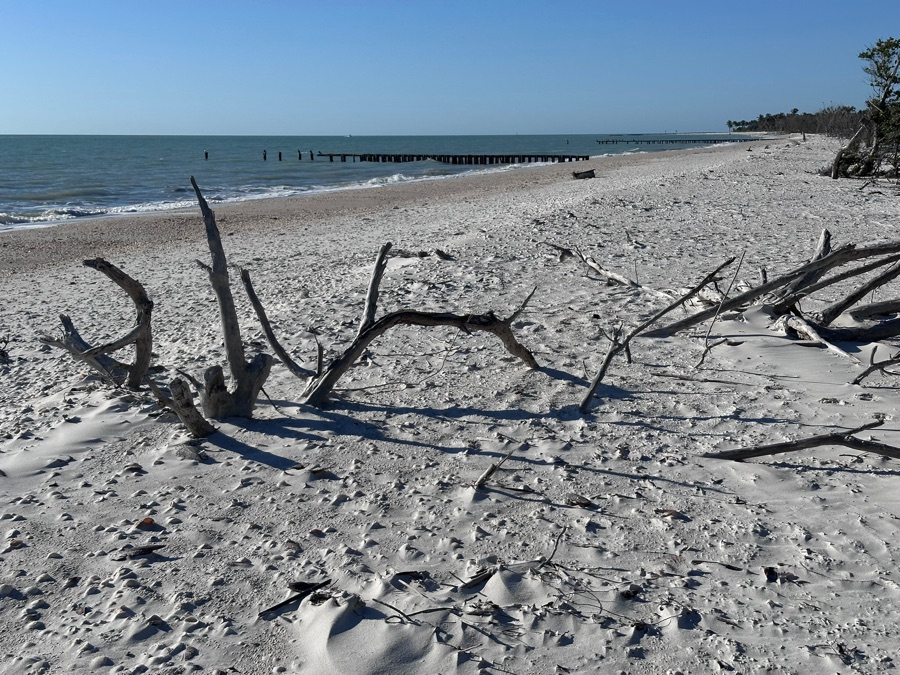
Keewaydin Island turns up on every “secret barrier island” list for Naples and Marco Island, and it’s easy to see why campers get curious after a day of shelling there. The honest answer is no — not in the way most people picture camping. Keewaydin doesn’t have a developed campground: no marked sites, no fire rings, no restrooms, no potable water and no ranger station checking people in for the night. The island runs for miles between Gordon Pass and the Rookery Bay backcountry, and it sits inside the day-use footprint of the Rookery Bay National Estuarine Research Reserve, which manages the surrounding waters and much of the island’s undeveloped acreage for conservation, not overnight recreation. Boaters land on Keewaydin constantly — it’s one of the most popular stops for shelling, sunbathing and picnicking in the Ten Thousand Islands — but that access is built around a day trip that starts and ends with the tide, not a tent pitched in the sea oats. If you’re weighing a night on a barrier island, Keewaydin isn’t the one built for it, and treating it like a campground would put you on the wrong side of reserve rules.
Why Keewaydin Isn’t Set Up for an Overnight Stay
A few things separate a true camping island from a day-use landing spot, and Keewaydin is missing most of them. There’s no fresh water source, no trash service, no bathroom facility and no staff presence to manage overnight visitors, campfires or waste — the basics that make backcountry camping legal and safe anywhere in Florida. The island’s dune and mangrove-fringed interior is also active nesting habitat; loggerhead sea turtles nest on Gulf-facing beaches like this one from May through October, and undisturbed, dark beaches matter for hatchling survival, which is one more reason overnight use isn’t encouraged. Layer in that portions of Keewaydin include protected reserve land and a handful of private inholdings near the north end, and you’ve got an island that’s genuinely built for a few hours on the sand, not a sleeping bag under the stars. None of that makes Keewaydin any less worth visiting — it’s still one of our favorite stops on a shelling run, right alongside neighbors like Kice Island and Cape Romano further south — it just means the camping question has a clear answer. Even those other islands, wild as they feel, follow the same day-use pattern once you look past the empty horizon.
Where You Can Actually Camp on a Barrier Island Nearby
If what you’re really after is a night on a wild Gulf barrier island, Southwest Florida does have that — just not at Keewaydin. Cayo Costa State Park, up near Boca Grande Pass and Pine Island Sound, is the real backcountry option: primitive tent sites and rustic cabins tucked behind the dune line, reachable only by private boat or passenger ferry, with no cars and no bridge to break the isolation. It’s a genuine overnight island experience — you fall asleep to surf instead of traffic, and wake up to a beach with nobody on it yet — but it runs through Florida State Parks’ reservation system, with designated sites, quiet hours and pack-in, pack-out rules rather than open camping anywhere you land. That distinction matters: Cayo Costa is a state park built around overnight stays, while Keewaydin is reserve land built around day landings, and the two aren’t interchangeable no matter how similar they look from the water. We cover what a night at Cayo Costa actually looks like, and how it compares to a Keewaydin day trip, on our Cayo Costa shelling beach guide. It’s worth reading before you book anything, since site availability and camping fees shift with the season and with park capacity.
Permits, Preserve Rules and Checking Before You Go
Barrier island rules in the Ten Thousand Islands aren’t one-size-fits-all — some islands allow free day landings, some sit inside refuge or reserve boundaries with specific use restrictions, and camping permissions can differ block by block depending on who manages that stretch of sand. Before you plan any overnight trip on a Gulf barrier island, it’s worth confirming who actually manages the specific beach you’re eyeing and what that agency currently allows, since regulations do get updated and a rule that applied last season may not hold this year. We break down the landing and permit basics in do you need a permit to land on a barrier island — a good starting point if Keewaydin or any other reserve island is on your itinerary. When in doubt, a quick call to Rookery Bay or Florida State Parks beats guessing, and it’s a lot less painful than getting asked to pack up a tent after dark.
| Keewaydin Island | Cayo Costa State Park | |
|---|---|---|
| Access | Boat-only day landing | Boat or passenger ferry |
| Overnight camping | Not set up — no campground | Yes — primitive sites & cabins |
| Facilities | None (no restrooms or water) | Restrooms, camp store, ranger presence |
| Reservations needed | No — day landing | Yes, through Florida State Parks |
| Best for | A few hours of shelling & beach time | A true backcountry overnight |
Making the Most of a Day Trip to Keewaydin
None of this means Keewaydin is a letdown — it just means the visit is a different kind of good. A few hours here, timed to a low tide, is genuinely one of the best shelling stops we run to, and you don’t need a tent to make the most of it: bring a bag for empty shells, water, sun protection and comfortable shoes for wet sand, and you’ve got everything the island actually calls for. Our captains time landings around the water instead of a clock, so you get real beach time instead of a rushed lap squeezed between other stops. For the full rundown on what to expect on the island itself — the shelling, the sandbars, the wildlife you might spot along the way — see our Keewaydin Island guide. And if you’d rather skip the logistics of boat rental and reserve rules altogether, book a spot on one of our shelling tours or a beach & island run and let us handle the tide, the landing and the empty-shells-only reminder, so all you have to do is show up and walk the sand.