
☀️ At a glance
- Biggest risk
- Reflected UV off the water, stacked on top of direct sun
- Sunscreen
- Reef-safe, mineral, broad-spectrum SPF 30 or higher
- Reapply
- Every 2 hours, and immediately after swimming or wading
- Pack list
- Wide-brim hat with a strap, polarized sunglasses, UPF sun shirt
- Watch for
- Long, shadeless stops on open sandbars and barrier islands
Why Boat Tours Burn You Faster Than the Beach
On the open Gulf there’s no shade tree, no umbrella row, no building throwing a shadow across the deck — just you, the boat and the water reflecting sun back up at your chin, the underside of your arms, places a ballcap brim never covers. Add a steady breeze off Gordon Pass or the Ten Thousand Islands and your skin cools even as it’s absorbing UV, so you don’t get the early sting that tells you to get out of the sun. By the time you feel it, you’ve already got color you didn’t plan on.
A trip doesn’t have to be summer or cloudless for this to catch you off guard — UV passes right through cloud cover, and the water keeps bouncing whatever gets through. Guests who’d never skip sunscreen on a beach day sometimes leave it in the bag for a boat trip because the ride feels breezy and mild, and that’s exactly the trip that ends in a sunburned part on top of the head. Watch for skin that feels tight or warm to the touch — that’s already sunburn, even before it turns red, and it’s your cue to get covered rather than wait it out.
What to Pack for Sun Protection on the Water
Start with sunscreen that’s reef-safe — a mineral, zinc-oxide-based formula without oxybenzone or octinoxate, which matters here since our boats run through the estuary and shallow flats around Rookery Bay and the Ten Thousand Islands, where every bit of runoff ends up somewhere. Go broad-spectrum, SPF 30 or higher, and put it on a good half hour before you board so it actually binds to your skin instead of sweating off in the first ten minutes. From there, layer on the physical stuff: a wide-brim hat (bring a strap or a hat leash — open water kicks up more wind than you’d expect), polarized sunglasses to cut the glare bouncing off the surface, and a lightweight long-sleeve sun shirt with a UPF rating. A sun shirt does more work over an afternoon than a bottle of sunscreen you forget to reapply.
Don’t skip the small stuff either — an SPF lip balm, a bandana or neck gaiter for the back of your neck, and a light cover for your knees if you’re sitting low in the boat. Kids especially need the hat-and-shirt combo, since their skin burns faster and sunscreen reapplication is easy to forget mid-trip. Check our full packing rundown in what to bring on a boat tour for the rest of the checklist, from water shoes to a dry bag for your phone.
| Item | Best pick | Why it matters on the water |
|---|---|---|
| Sunscreen | Reef-safe mineral, SPF 30+ | Reflected UV adds to direct sun; reef-safe protects the estuary |
| Hat | Wide-brim with a strap or leash | Shades face, ears & neck and won’t blow off in open-water wind |
| Sunglasses | Polarized, UV400 | Cuts surface glare bouncing off the Gulf |
| Shirt | Long-sleeve, UPF 50+ | Blocks UV for hours without reapplying |
| Lip balm | SPF 30 lip balm | Lips burn fast and are easy to forget |
When (and How Often) to Reapply Sunscreen
Plan on reapplying every two hours at minimum, and immediately after any stop where you get wet — wading in for shelling, a swim off the boat, even heavy spray coming through Gordon Pass will strip sunscreen faster than a “water resistant” label promises. Towel-drying rubs off more than you’d think, too, so reapply after you dry off, not before. If your trip runs a full morning or a half-day charter, keep the bottle with you rather than leaving it in the car — you’ll want it on the water, not back at the dock.
A simple phone timer set for two hours keeps you honest about reapplying, since it’s easy to lose track of time when you’re leaning over the rail watching for dolphins or scanning the sand for shells.
The Exposed Sandbar Stop Is Where Most Burns Happen
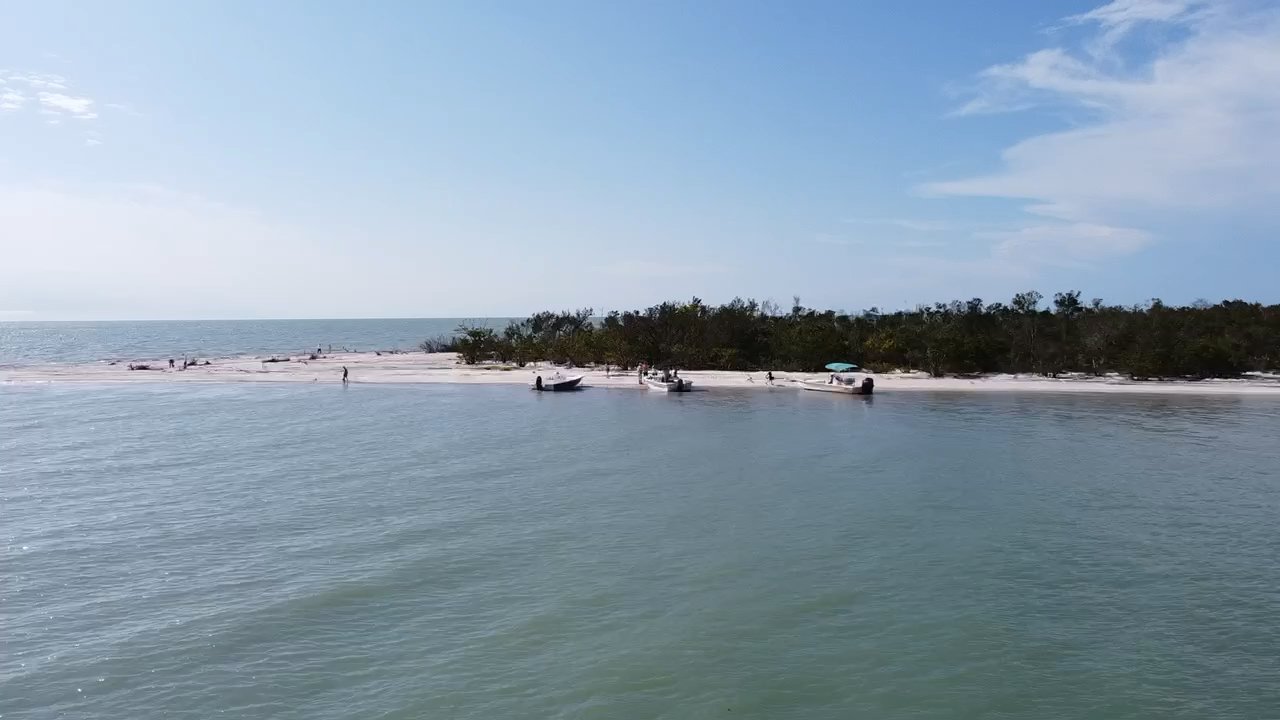
The riskiest stretch of most trips isn’t the ride out — it’s the long, easy stop on an exposed sandbar or barrier island with zero shade, where the group settles in to look for shells or just enjoy the view and loses track of how long they’ve been standing in direct sun. Our shelling tours often anchor off boat-only islands like Keewaydin or Kice, gorgeous stretches of open beach with nothing overhead but sky, and that’s exactly the setting where sunscreen worn off from the ride out plus an extra forty-five minutes of unprotected sun adds up fast. Keep the hat on, pull the sun shirt back over your shoulders, and reapply before you step off the boat, not after you notice you’re pink.
The good news is none of this takes the fun out of the day. A few minutes of prep before you climb aboard means you get to spend the whole cruise looking for shells, watching for dolphins or just enjoying the ride instead of nursing a sunburn back at the hotel. If you’re planning a summer trip, our guide on whether it’s too hot for a boat tour in Naples summer covers the heat side of things too, and our full travel guide has more honest answers before you book.
Sun Safety for Kids and Sensitive Skin
Kids run hotter and burn faster than adults, and a few hours of sun and wind on the open water is enough to turn an easygoing family trip into a rough night back at the condo. Dress younger guests in a long-sleeve rash guard and a hat with a chin strap before you ever leave the dock, since a bottle of sunscreen is only as good as how well a squirming six-year-old lets you apply it. Reapply on kids more often than the two-hour rule for adults, especially after they get in the water for a shelling stop or a swim off the boat, and keep a light cover-up on hand for the exposed island stops. If anyone in your group runs fair-skinned or has a history of bad burns, treat SPF 50 and a long-sleeve shirt as the baseline, not the extra step. Our captains run family trips through the Ten Thousand Islands every week, and the families who come prepared are the ones still smiling for photos at the end of the day.