
🎣 At a glance
- Inshore water
- Ten Thousand Islands passes, mangrove shorelines & grass flats
- Offshore water
- Deep Gulf structure, reefs & wrecks miles from shore
- Inshore species
- Snook, redfish, spotted seatrout, tarpon (catch-and-release)
- Offshore species
- Grouper, snapper, kingfish & occasional cobia or amberjack
- License
- A charter's vessel license covers every paying guest
- Best for
- Inshore: families & first-timers. Offshore: dedicated deep-water anglers
What is inshore fishing in Naples?
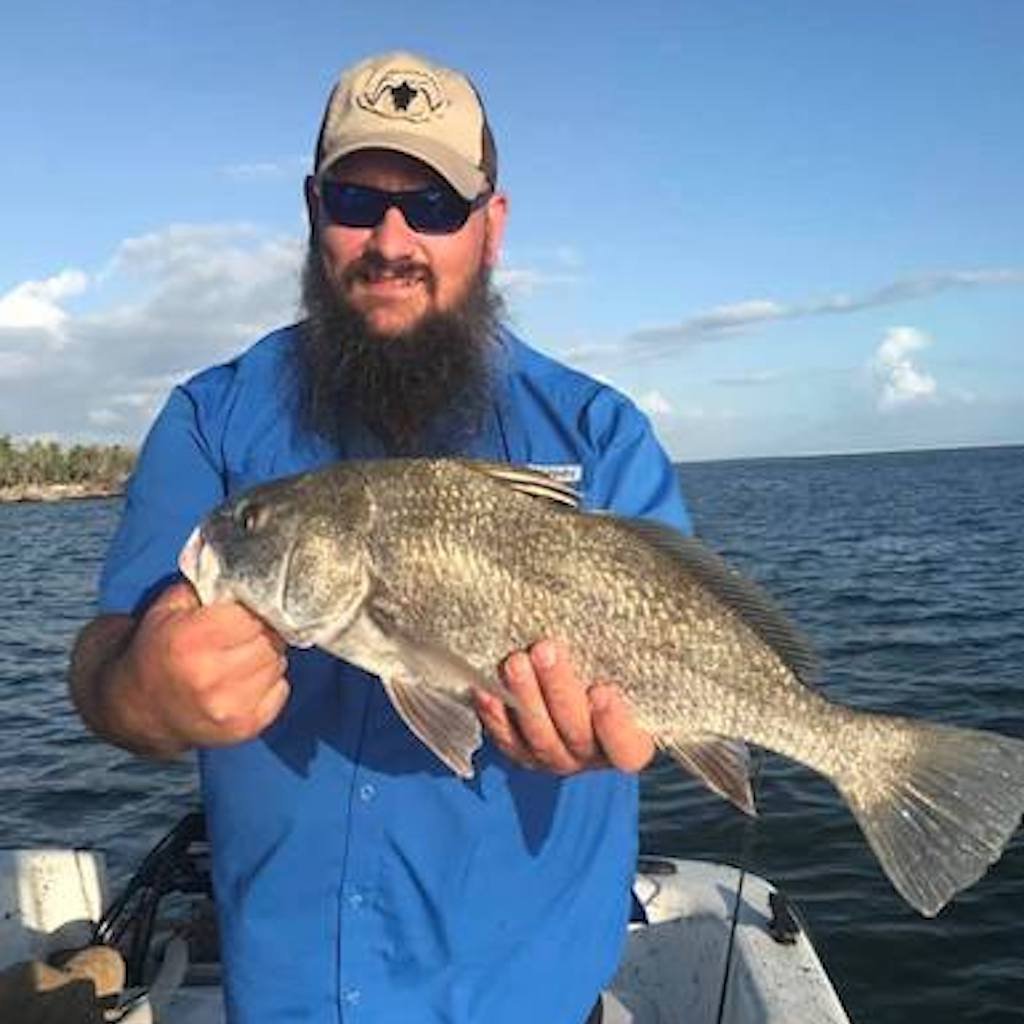
Inshore fishing keeps you tucked behind the barrier islands, working the tide-fed passes, mangrove shorelines and grass flats of the Ten Thousand Islands instead of running out into open Gulf water. Your captain reads moving current through cuts like Gordon Pass and Capri Pass, works oyster bars along the edge of Rookery Bay, and slides the boat into skinny backcountry creeks near Goodland where snook stack up on a falling tide. It's protected water almost the entire trip, which means far less bouncing around and a lot more time with a line actually wet.
The backcountry here rewards local knowledge more than horsepower. Our captains grew up learning which mangrove point holds redfish tailing on an incoming tide, and which grass flat near Keewaydin turns on for spotted seatrout once the sun climbs and the bait starts moving. You're not burning forty minutes running to a number on a chart plotter — you're fishing productive water within the first ten or fifteen minutes, which matters a lot when you've got kids aboard or only a half day to work with.
What is offshore fishing near Naples?
Offshore fishing means leaving the passes behind and running out into open Gulf of Mexico water to reach deeper structure — natural limestone ledges, artificial reefs and wrecks that sit well beyond sight of the Naples and Marco Island shoreline. That's a different trip entirely: a longer, often rougher run across open water, on a boat rigged specifically for it, chasing species that simply don't show up in the backcountry no matter how good the tide is.
It's also, honestly, not the trip we run. Sand Dollar's boats and our captains' expertise are built around the protected, skinny water of the Ten Thousand Islands — that's the water we know cold, pass by pass and flat by flat. If deep Gulf grouper, snapper or kingfish are what you're after, you'll want a dedicated offshore charter built and rigged for that run, and we'd rather tell you that plainly than sell you a backwater trip that leaves you wishing you'd gone a different direction.
Which is better for families and first-time anglers?
For families, first-timers, or anyone unsure how their stomach handles open water, inshore is the easier call almost every time. Runs are short, the water inside the islands stays calm on all but the windiest days, and there's almost always something willing to eat — snook along a shady mangrove edge, ladyfish and jacks busting bait on the surface, a redfish tailing in a foot of water off Goodland. Kids stay locked in because the action is close and steady, not a long ride out followed by a long wait for a bite.
Offshore trips ask more of everyone aboard: a longer run each way across open Gulf water, more motion, and species that can mean real stretches of downtime between bites while you work a piece of bottom structure. That's a fair trade for a dedicated angler chasing one specific deep-water target, but it's a rough introduction for a first fishing trip with young kids or anyone prone to seasickness. When your crew is mixed — a few serious anglers, a few people just along for the ride — inshore keeps the whole boat happier.
What can you actually catch, inshore vs offshore?
The species split is the other half of this decision, and it's real. Inshore in Naples and the Ten Thousand Islands means snook working the mangrove shade, redfish tailing across skinny flats, spotted seatrout holding over grass, and tarpon rolling through the passes on the right tide — tarpon here are catch-and-release only, no exceptions, so plan on the fight and the photo rather than dinner. Offshore water holds an entirely different lineup: grouper and snapper hugging bottom structure, kingfish and other pelagics running the open water column, and occasionally cobia or amberjack circling deeper wrecks.
Bag limits, minimum sizes and open seasons shift year to year and species to species on both sides of this comparison, so we won't publish hard numbers here — ask your captain what's currently in season and regulated before you go. One thing that doesn't change: a licensed charter's vessel license covers every paying guest aboard, so nobody needs to buy an individual Florida fishing license before stepping on the boat.
| Inshore (Ten Thousand Islands) | Offshore (Gulf structure) | |
|---|---|---|
| Typical run | Short, sheltered water | Long, open-water run |
| Conditions | Calm on most days | Can get rough |
| Signature species | Snook, redfish, spotted seatrout, tarpon (catch-and-release) | Grouper, snapper, kingfish, occasional cobia or amberjack |
| Best for | Families, first-timers, mixed groups | Dedicated anglers chasing deep-water species |
| Who runs it | Sand Dollar — this is our home water | A dedicated offshore charter built for it |
Our honest verdict: which should you book?
If you want calm water, a short run, real variety on the line and a trip that works for kids and shaky sea legs alike, book inshore — it's the backwater we know cold, and it's what we run every day out of Marco Island, Goodland and Naples. If your heart is set on deep Gulf grouper, snapper or kingfish over structure miles offshore, that's a genuinely different trip, and you're better served booking a dedicated offshore charter built for that run rather than trying to force it out of a backcountry boat.
Not sure yet whether you even want a guided trip, or whether a charter beats going it alone? Our charter vs. DIY fishing guide breaks down that decision too. Either way, our Naples fishing charters run the inshore game plan above — snook, redfish and trout across the calm backcountry — and our family fishing trips are built specifically around keeping young anglers engaged on short, productive runs through the Ten Thousand Islands. Ready to see the backcountry for yourself? That's exactly the kind of morning we love putting together.