
🎣 At a glance
- Why it's easy
- Protected backcountry = calm, flat water even when the Gulf is rough
- How you'll fish
- Light tackle with jigs & live shrimp — simple to learn, fish bite all day
- Good for
- Kids, nervous first-timers, families who've never fished
- Licensing
- Your captain's vessel license covers every paying guest
- Where
- The maze of mangrove islands south of Marco toward Goodland & beyond
Why the Ten Thousand Islands is the easy way in
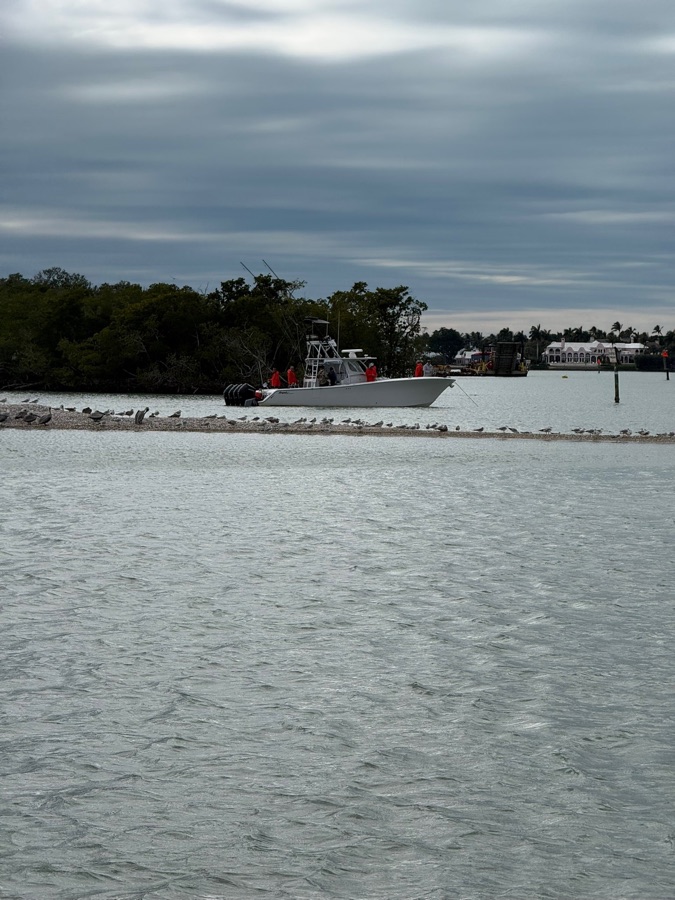
Most people picture fishing as a rough offshore slog, fighting swells and getting soaked. Back here it's the opposite. The Ten Thousand Islands is a sprawling maze of mangrove keys, creeks and shallow bays that knock down the wind and the chop. When the open Gulf is bouncing, the backcountry stays glassy. That calm is everything for a beginner — nobody learns to fish while they're seasick or hanging on for dear life. Out here you can stand up, cast comfortably, and actually pay attention to what your captain is teaching you.
The other gift is the fish. These protected waters are a nursery system, packed with bait, oyster bars and seagrass, which means hungry fish are rarely far away. You're not running fifty miles hoping for one bite. You're working a likely-looking shoreline and getting a tug within minutes.
How you'll actually fish (it's simpler than you think)
Beginner trips back here run on two tried-and-true methods: a jig bounced along the bottom, and live shrimp under a popping cork. Both are about as simple as fishing gets. Your captain rigs the rod, sets your depth, and shows you the one motion that matters — then you flip it out and wait for the line to come tight. Kids pick it up in about ten minutes. We keep the tackle light so even a small fish feels like a real fight, which is half the fun.
Because the bites are steady, you stay engaged. There's none of that long, boring soak you get on bigger water. Reel one in, swing it aboard, snap a photo, drop back down. That rhythm is exactly what hooks new anglers for life. If you want the full menu of what comes over the rail, our inshore catch list walks through the regulars.
| Factor | Out here in the islands |
|---|---|
| Water conditions | Protected, flat — calm even on breezy days |
| Bite frequency | Steady all-day action, short waits |
| Tackle | Light jigs & live shrimp, easy to learn |
| Boat handling | Captain navigates the maze, you just fish |
| Best for | Kids, first-timers, families |
Perfect for kids and first-timers
This is the trip we recommend for families and anyone who's ever said "I've never really fished." The calm water keeps everyone comfortable, the action keeps kids from getting bored, and there's no pressure to know anything in advance. If you're bringing little ones, our kids' first fishing charter guide has tips on keeping the day fun and low-key. New adults do great on a beginner fishing charter too — you'll surprise yourself.
Licensing and what you bring
Here's the part people overthink: on a licensed charter, you do not need your own fishing license. Our captain's vessel license covers every paying guest aboard, so there's nothing to buy or print before you come. What you keep is regulated and seasonal, and your captain knows exactly what's legal that day — you don't have to memorize a rulebook. Bring sunscreen, a hat, water and a sense of humor. We handle the rest. Ready to learn the easy way? Book a fishing charter and let us put you on the fish.
From the Helm: Picking a glass-calm morning in Gullivan Bay to put a rod in a first-timer’s hands
There’s a moment early in almost every beginner trip where a rod tip dips, the line comes tight, and the person holding it looks up at us like they’re not sure what just happened. That flat second of confusion right before the smile is what we’re fishing for as much as the catch itself, and it’s why we pick the calmest, most forgiving water in Gullivan Bay for a first trip rather than the technical spots we’d choose for someone chasing a specific fish.
We look at wind first when a beginner or a family is aboard. A glass-calm morning with light air lets us anchor over grass flats where the bite is steady and the boat doesn’t bounce around while someone’s learning to hold a rod for the first time. If it’s blowing hard that day, we’ll tuck into a protected pocket of the bay instead of fighting chop — comfort matters more than variety when the goal is a good first experience, not a personal-best fish.
The rig matters as much as the spot when someone’s never held a rod before. We set beginners up with a simple popping-cork-and-shrimp rig rather than anything that asks for a feel for the bottom, because watching a cork disappear is a far easier signal to read than trying to sense a subtle tap through slack line. That single swap turns a bite into something even a nine-year-old can spot from across the boat, which is why most beginners are setting their own hook inside the first ten minutes instead of staring at a rod tip wondering if anything happened at all.
When the bite goes quiet in one spot, we don’t make a beginner sit through a slow stretch waiting for it to turn on. We move a short hop to the next drop-off or grass edge, because keeping the rod bent matters more early on than holding out for one particular fish. Most mornings two or three short moves around the bay keep the action steady enough that nobody aboard notices we ever repositioned at all.
What surprises most first-timers is how little they actually have to know walking onto the boat. We bait the hook, we make the first few casts to show the motion, and we call out exactly when to set and when to just hold on. The part nobody expects is how fast the learning curve is — most guests are working their own rod within a handful of casts, which is the whole point of choosing water this forgiving in the first place.
A gentle introduction like this is also why we send so many families toward our fishing charters before anything more ambitious — it builds the confidence for a harder trip later, whether that’s backwater snook or a run out toward open water. Book the easy morning first, and let your captain worry about the wind and the tide while you just enjoy the tug on the line.