The tell is always the same: a first-timer picks up a spinning rod like it might go off, thumb hovering over the reel, eyes on the captain instead of the water. That’s exactly the moment we’re built for. Before we even leave the dock we walk through the cast in the guest’s hands right at the rail — open the bail, thumb the line, flip the rod forward — so the first real cast happens with muscle memory already loaded in, not out on open water under pressure.
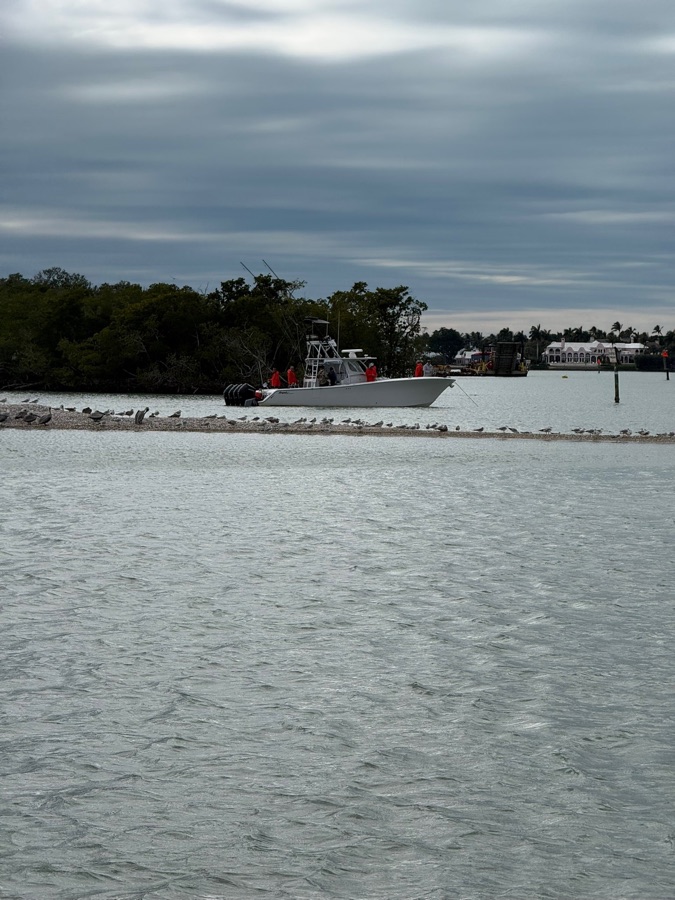
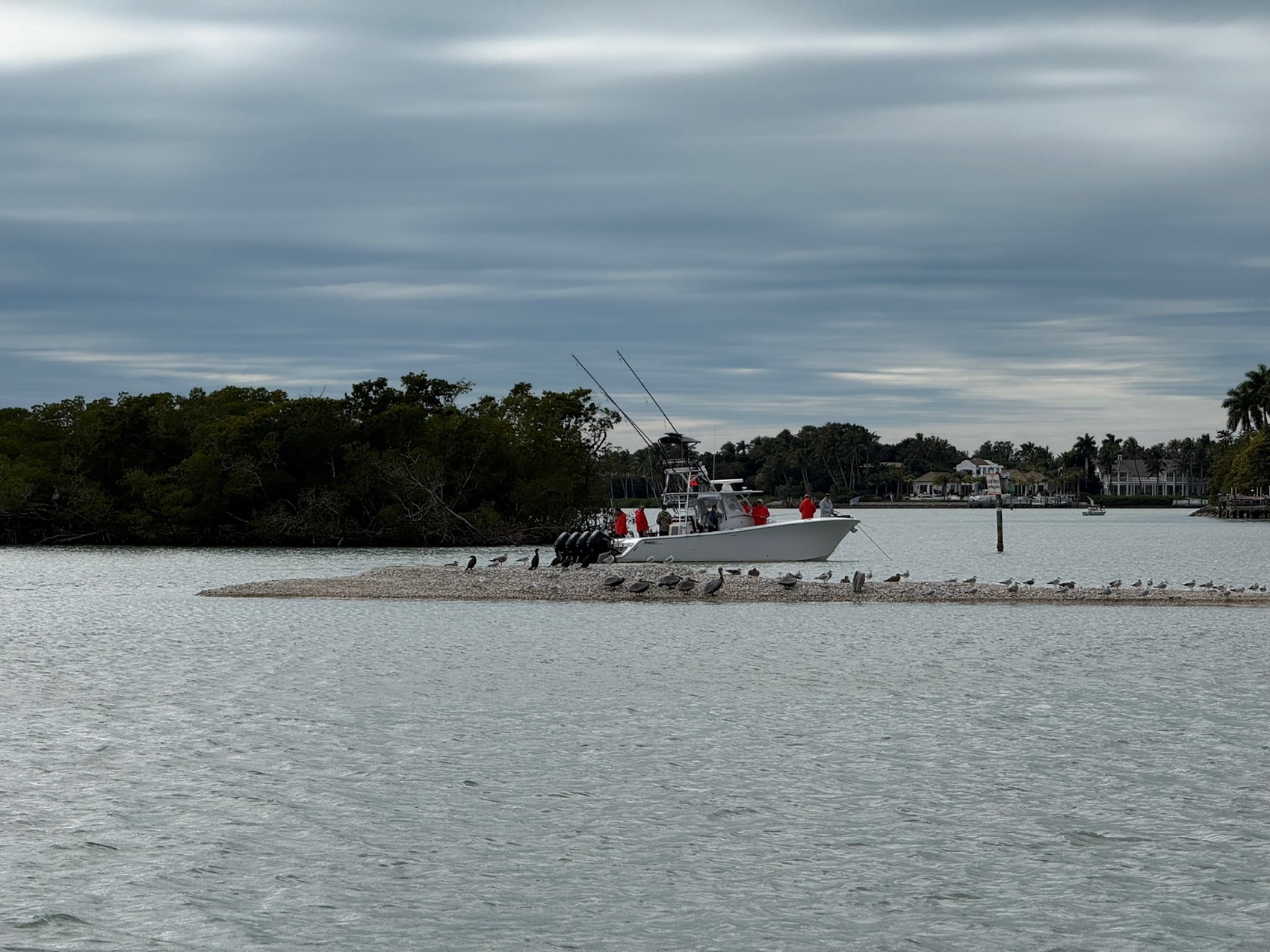
For that first hour, we run a short hop to the sandbar just inside Big Marco Pass rather than pushing straight out to open water. It’s close, it’s calm, and the bottom holds enough small structure — oyster rubble, a scattering of grass — to keep bites steady without needing a long, technical cast to reach it. New anglers need action more than distance, and this spot gives up bites fast enough to keep the momentum going.
We rig beginners with a simple knocker rig and live shrimp rather than anything requiring a hookset timed to a precise bite pattern — a bottom rig here is forgiving of a late strike, which matters when someone’s still learning what a bite even feels like through the rod tip. Once someone’s landed a fish or two on that rig, we’ll hand over a popping cork setup instead, since watching a cork go under is an easier read than feeling for it blind.
The moment we watch for with a brand-new angler isn’t the bite — it’s the split second after, when the rod tip loads up and we can see the decision forming on their face: horse it, or let the reel do the work. A captain’s hand on the rod for half a second, showing steady pressure instead of a yank, usually turns panic into a fish at the boat instead of a straightened hook or a snapped line.
The mistake we correct most often isn’t the cast, it’s the reel — new anglers grip the handle too hard and fight the drag instead of letting it do its job, which is how a decent-sized snook or trout breaks off gear that could easily have landed it. A light touch on the handle and a rod tip kept up usually turns a beginner’s first real fight into the one they tell people about afterward, however that fight ends.
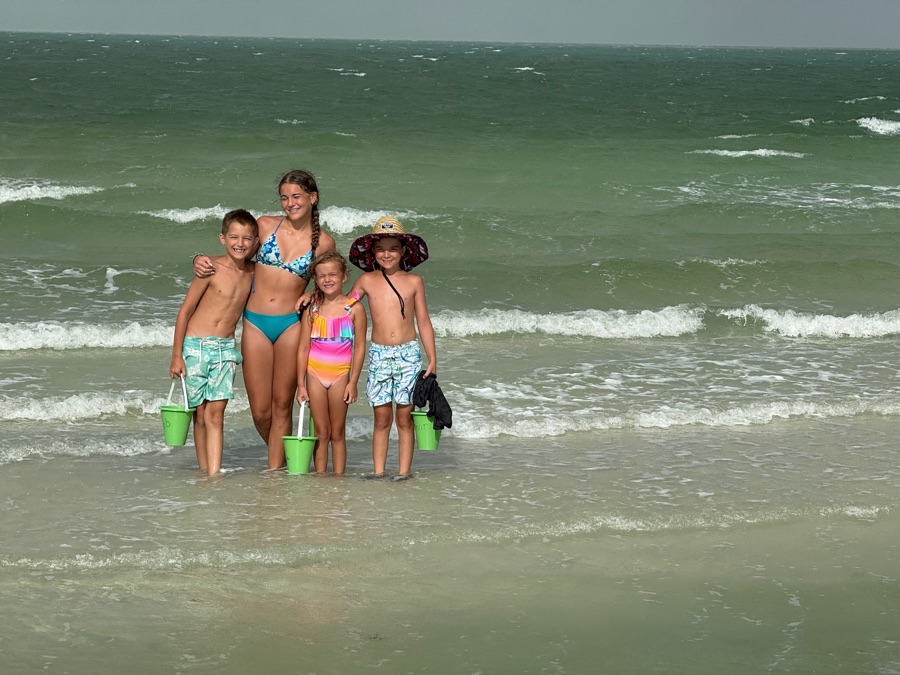
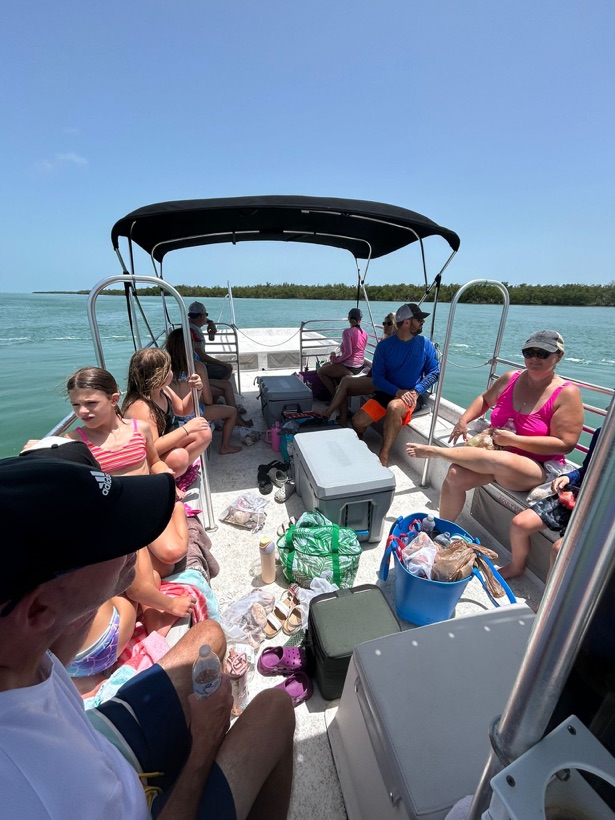
If the crew wants the same easy, close-in pace but built specifically around younger anglers, our family fishing charters follow the same sandbar logic with a shorter-attention-span version of it. Either trip starts from the same place: pick the calmest, fishiest water close to the dock, and let the first bite do the rest of the convincing.