
🎣 At a glance
- The passes
- Caxambas Pass & Big Marco Pass
- The catch
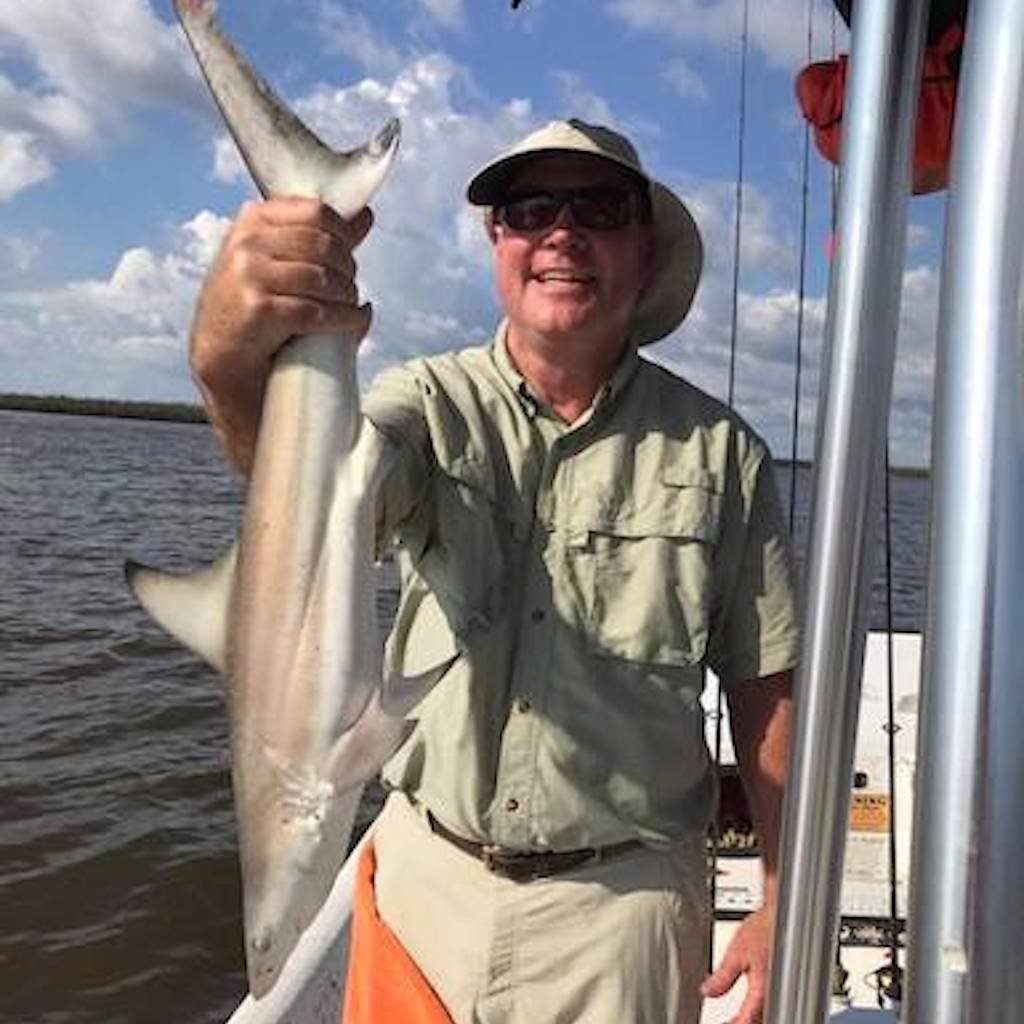
- Pompano, snook, Spanish mackerel, sharks
- The driver
- Moving tide funneling bait through the gaps
- Beach edge
- Pompano & whiting on clean nearshore sand
- Timing
- Best on a strong moving tide, not slack water
Why the passes fish so well
A pass is a pressure point. Every cubic foot of water that floods or drains the back bays has to squeeze through these narrow cuts, and it drags bait, current and structure together in one spot. Predators figure that out fast. When the tide is ripping through Caxambas or Big Marco, the deeper troughs and sandbar edges become an all-you-can-eat conveyor belt, and the fish stack up to feed in the rips. That's why our captains plan pass trips around the moving tide — slack water shuts it down, but a hard incoming or outgoing flips the switch on.
It's the natural counterpoint to the slow, sight-fishing pace of the backcountry. Same boat, same captain, completely different rhythm.
Caxambas, Big Marco & the beach
Caxambas Pass, on Marco's south end near Goodland, is a deep, current-swept cut that holds snook on the rips and pompano on the adjacent flats. Big Marco Pass, up by Tigertail and the river mouth, is a wider, sandier system where mackerel blitz bait schools and sharks patrol the troughs. And don't sleep on the beach itself: the clean nearshore sand off South Marco and Tigertail gives up pompano and whiting to a well-placed bait, especially when the water's stirred up.
| Spot | Best for | What to watch |
|---|---|---|
| Caxambas Pass | Snook, pompano | Deep cut, strong current on the rips |
| Big Marco Pass | Mackerel, sharks | Wide, sandy; bait schools and troughs |
| Beach edge | Pompano, whiting | Clean sand, best with stirred water |
Pass-and-beach tactics
Pass fishing rewards reading current. We position the boat up-current and let baits and jigs work down through the strike zone the way nature delivers them. Pompano love a jig bounced along the sandy bottom; snook ambush from the edges of the rip; and when Spanish mackerel show up slashing bait, a fast retrieve through the chaos gets crushed. The sharks that move through the passes are fished and released with care. Sizes and seasons are regulated and your captain handles licensing for everyone aboard. Want the full Marco breakdown? Our Marco fishing by zone guide maps it all out.
From the Helm: why we leave the pass for the beach the moment the tide goes slack
You can feel slack tide before anyone says a word about it. The rod tips stop tapping, the drift line hangs limp off the stern, and a guest who was reeling in fish every few casts suddenly looks over wondering what changed. Nothing did, except the water itself — for the twenty or so minutes around dead slack, there’s no current pushing bait through the pass, and fish that were feeding hard on the moving water simply stop. We don’t wait it out watching an empty rod tip. That’s our cue to pull anchor and go find water that’s still moving.
The move we make next depends on what’s actually slowing down and where. If the pass itself goes slack, we’ll often swing out to the nearshore Gulf and work the beach troughs instead, since surf action doesn’t fully die the way pass current does. If it’s closer to a full tide change with wind working against us, we might shift toward calmer structure — a sandbar edge or a dock line — and wait out the turn there instead of burning fuel. The read is always current first, wind second, and how much time we’ve actually got left on the charter.
One spot we lean on for this exact situation is the sandbar off Coconut Island, where a shallow edge holds fish even when the main pass current has gone flat. It’s not dramatic water — no rip, no obvious structure — but the drop-off just past the bar tends to hold fish waiting out the same slack tide we are. We’ll idle up quiet, since spooked fish in skinny water over a sandbar don’t come back for a second look, and work the edge until the pass starts pulling again.
Most first-timers expect the fishing to just be good or bad for the whole trip. What actually surprises them is how sharply it can flip within twenty minutes — dead water at the pass, then a hard bite the second the tide starts pushing again, sometimes without moving the boat at all. We’ve learned to treat slack tide as a pause, not a verdict on the day, and guests who stick with us through that quiet stretch are usually the ones talking about the bite that followed it.
Understanding the tide, not just the spot, is most of what separates a good pass trip from a slow one. For the fuller picture of how Caxambas, Big Marco and the beach each fish differently, see our Marco Island fishing zones guide. Book a fishing charter with us and we’ll time the passes to the water instead of the clock, moving the moment slack tide tells us to.