
🎣 At a glance
- Winter (Dec–Feb)
- Sheepshead, trout, pompano, redfish
- Spring (Mar–May)
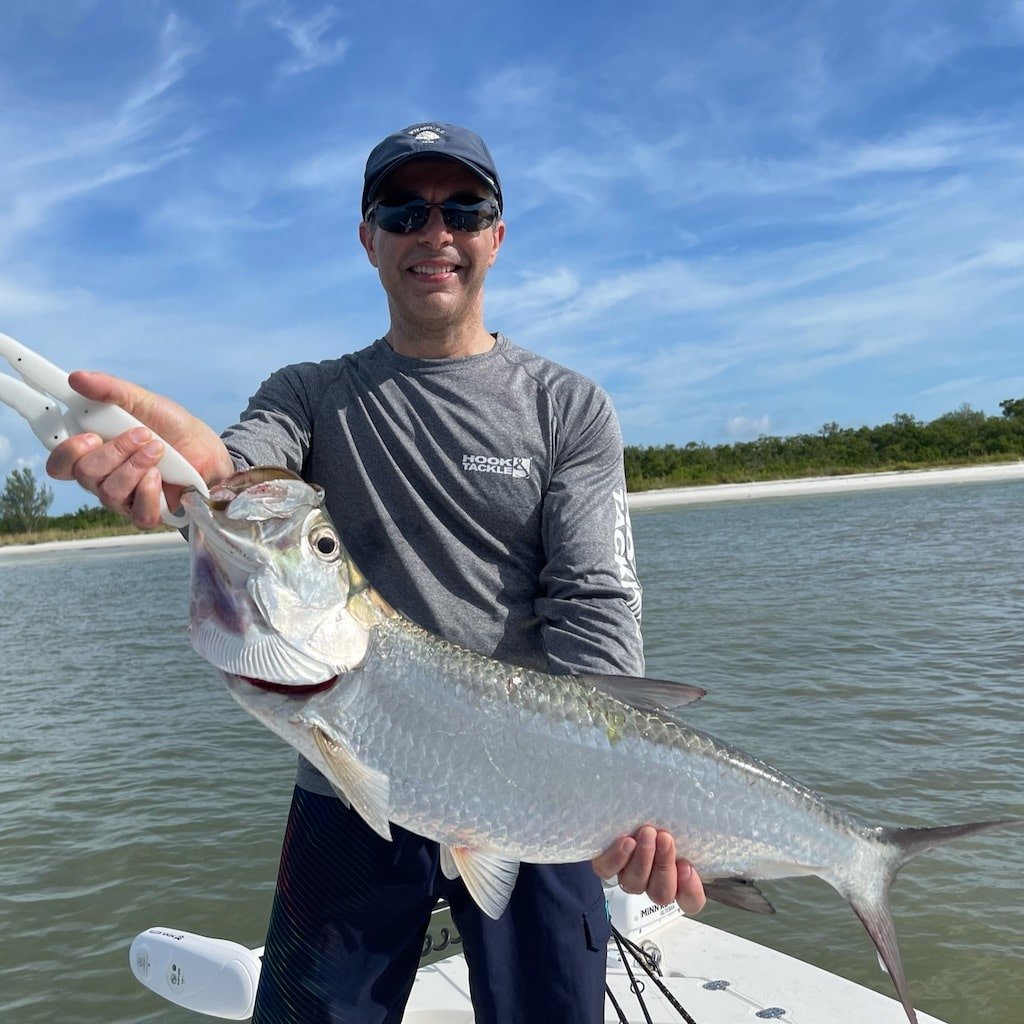
- Tarpon arrives, snook turn on, cobia nearshore
- Summer (Jun–Aug)
- Snook & tarpon peak, mangrove snapper
- Fall (Sep–Nov)
- The mullet run — everything feeds
- Reality check
- Tendencies only; tides & fronts move the bite
How the seasons work here
Southwest Florida fishing is driven by water temperature, bait migrations and tide. As the Gulf warms in spring, tarpon and snook fire up; as it cools in fall and winter, the bite shifts toward sheepshead, pompano and schooling redfish that love cooler water. The constant through all of it is moving water — an incoming or outgoing tide pulls bait and turns fish on, which is why our captains plan trips around the tide stage as much as the calendar. For the deep dive on that, see our guide to reading inshore tides.
Use this calendar to set expectations, not a guarantee. A warm winter can keep snook biting; a stubborn cold front in March can stall the tarpon. That's fishing — and it's why a local captain who reads today's conditions beats any printed chart.
Month-by-month at a glance
| Month | Season | Best targets (tendencies) |
|---|---|---|
| January | Winter | Sheepshead, trout, pompano, redfish |
| February | Winter | Sheepshead peak, trout, black drum |
| March | Spring | Snook waking, pompano, first tarpon |
| April | Spring | Tarpon building, snook, cobia nearshore |
| May | Spring | Tarpon strong, snook on the beach |
| June | Summer | Snook & tarpon peak, mangrove snapper |
| July | Summer | Snook, tarpon, snapper, morning bite |
| August | Summer | Snook, snapper, early mullet stirring |
| September | Fall | Mullet run begins — snook, reds, jacks |
| October | Fall | Mullet run peak — everything feeds |
| November | Fall | Reds schooling, trout, late tarpon |
| December | Winter | Sheepshead, trout, pompano return |
The four seasons in brief
Want the deeper read on any stretch? We've broken each season into its own guide. Start with what's biting in winter, spring, summer, or our favorite, fall. Whatever the month, a licensed fishing charter means the captain's vessel license covers your whole crew — no individual licenses, no paperwork, just step aboard. Seasons and harvest rules are regulated and shift, so your captain always tells you on the day what's open and what's release-only.
From the Helm: the wind-tide-water-temp call that sets a Naples trip, month to month
Before we decide what we’re targeting on any given morning, three numbers matter more than the calendar page: wind direction, tide stage, and water temperature. We check those the night before and again at the dock, because a forecast can shift enough overnight to change the whole plan. A cold snap dropping water temps a few degrees overnight moves fish off a flat they held on yesterday; a wind swing off the Gulf changes which zone stays calm enough to fish well. The month tells us roughly what’s possible. Those three numbers tell us what’s actually happening today.
That habit shifts with the season, not just the day. Cooler months mean we’re watching water temperature closely, since a real cold front can push fish off the flats and into deeper, more stable water for days at a time. Warmer months put more weight on the tide and the heat itself — we’ll often start earlier to fish the cooler morning hours before the sun pushes fish tight to shade. Who’s aboard matters too: a family trip in summer gets planned around avoiding the worst of the midday heat, not just around what’s biting.
When those numbers don’t line up with what a given month usually offers — a late cold snap, an unusually warm stretch, a run of onshore wind that won’t quit — we adjust rather than force the calendar’s usual plan. That might mean running deeper into a pass than we would on a typical week, or leaning on backcountry structure that holds fish through weather that shuts down the open flats. The calendar sets our expectations loosely; the morning’s actual numbers set the real plan every single time we leave the dock.
Most guests are surprised there’s no real off-season here, but the bigger surprise is how much the plan can change between booking a trip and actually running it. We’re not locked into a fixed target list by month; we’re reacting to what the water’s doing that particular week. A trip booked expecting one species sometimes turns into a different one entirely because a front rolled through a few days earlier, and that flexibility — not the calendar — is what keeps rods bent across the year.
If you’re timing a visit around a particular target, it helps to know the season sets the odds, but the week’s actual wind and water temperature set the trip. Chasing the fall blitz specifically, our mullet run guide covers that window. Book a fishing charter with us any month and we’ll build the morning around what the water’s actually doing, not just what the date on the calendar suggests.