
🎣 At a glance
- When
- Fall, as mullet migrate south down the coast
- The trigger
- Dense mullet schools pulling predators in
- The blitzers
- Snook, tarpon, jack crevalle, sharks
- The thrill
- Explosive topwater strikes on the school edges
- Timing
- Varies year to year — captains track the schools
What the mullet run is
When the days shorten and the first fronts cool the water, mullet that spent the summer fattening in the back bays gather up and start running south along the beaches and through the passes. They move in rafts so thick the surface goes dark, sometimes acres of fish at a time. To a predator, that's a buffet that only opens once a year — and they do not miss it. The whole coast comes alive, from the beach edge off Marco to the mouths of the Ten Thousand Islands.
It's the one window where the fishing can feel almost unfair. Find the bait, and the fish are already there.
Who joins the blitz
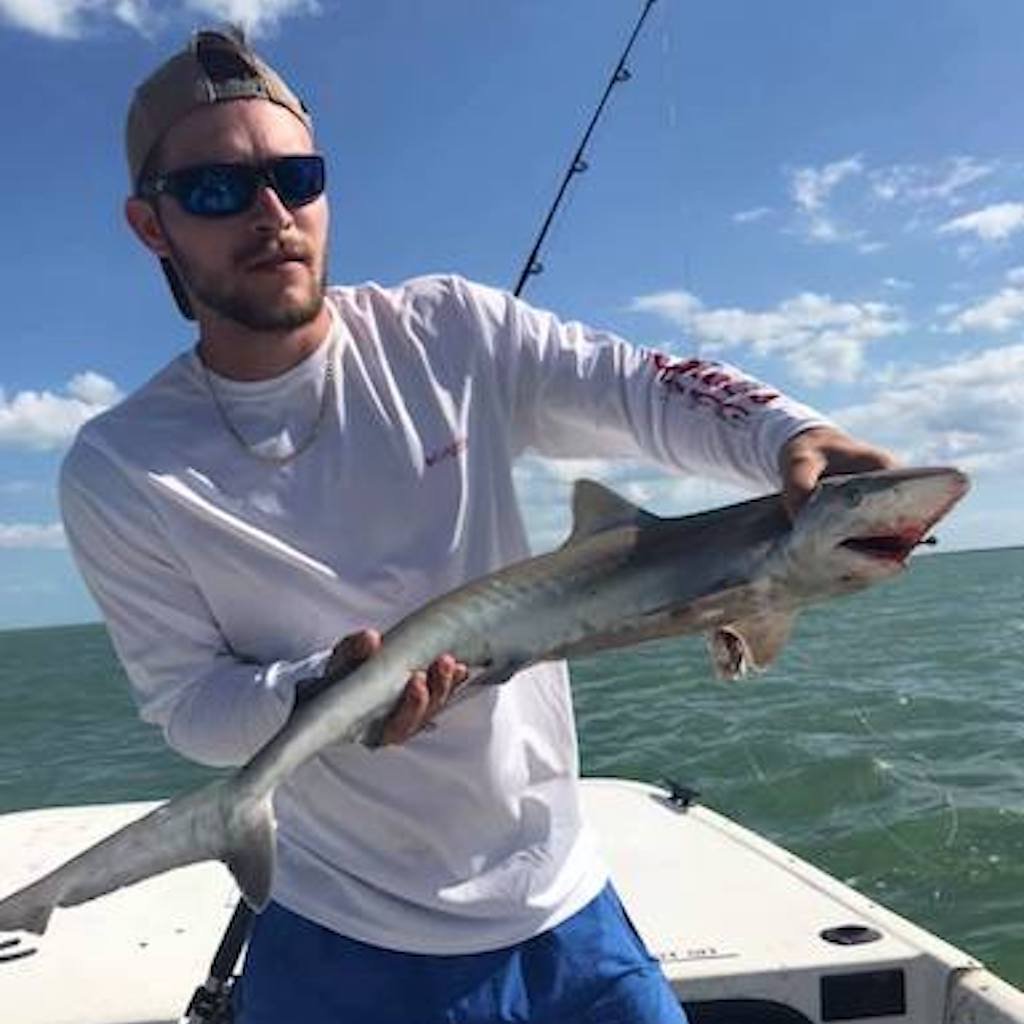
Everything with teeth shows up. Snook stack along the beach and in the passes, gorging before winter. Tarpon roll through the schools and detonate on the surface — a hundred pounds of silver going airborne over a mullet raft is a sight you don't forget. Jack crevalle herd the bait into frantic balls and crash them from below, and sharks patrol the edges cleaning up. When a blitz fires off, the water boils and birds dive — you just point the boat at the commotion.
| Predator | How it feeds | The payoff |
|---|---|---|
| Snook | Ambush along beach & passes | Hard topwater eats, big fall fish |
| Tarpon | Roll through and explode (C&R) | Airborne silver over the school |
| Jack crevalle | Herd bait into boiling balls | Brutal, arm-burning pulls |
How to fish the chaos
The key is to fish the edges, not the middle. Lob a topwater plug or a bait just outside a nervous school and let a predator pick it off — cast into the dead center and your lure just becomes one mullet among ten thousand. When a blitz erupts, get a cast into it fast, because the window can slam shut in seconds. Tarpon are catch-and-release only, and sizes and seasons for everything else are regulated; your captain handles all the licensing and knows the current rules. Because the run's timing shifts every year with the weather, the real trick is being on the water with someone who's been tracking the schools. Our what's biting in fall guide has more on the season.
From the Helm: chasing a Naples mullet-run blitz down the beach before it moves off you
You hear a mullet run blitz before you see it — a slapping, splashing racket carrying across flat water from a few hundred yards off, long before anyone spots the actual school. We’re scanning for that sound and for diving birds stacking up over one stretch of beach, because a blitz rarely announces itself any other way until it’s right under the hull. The moment we spot birds working tight over nervous water, we cut speed well outside the school and idle in, since running the engine straight at a feeding blitz is the fastest way to shut the whole thing down.
An onshore wind actually helps here — it pins the mullet schools tight against the beach instead of letting them spread into open water, which makes the blitz easier to find and easier to stay on. We’re reading wind direction, bird activity and which stretch of beach the bait’s moving along, since the schools rarely stay put more than a few minutes before drifting down the shoreline. Once we’re on a blitz, the whole plan simplifies to one job: staying close enough to cast into it without pushing the school further down the beach.
When a blitz moves off — and it always eventually does, sliding down the beach faster than most guests expect — we don’t chase it at full throttle. We’ll ease down the shoreline at idle, watching for the next stack of birds or the next patch of nervous water, since running loud tends to push the whole show further away rather than closing the gap. Some mornings we follow one blitz down a quarter mile of beach in short hops; other mornings a second school lights up somewhere else entirely and we simply switch targets.
What catches most guests off guard is the size of what shows up to eat the mullet. Snook and jacks are the regulars, but any tarpon that crashes into a blitz like this goes right back over the rail after the fight — we fish those strictly catch and release, blitz or no blitz. The other surprise is how hard it is to resist casting straight into the thickest part of the school; the edges of a blitz, where a predator is actually chasing rather than just balled up defensively, usually produce the better hookup.
Timing a mullet run trip means watching the calendar loosely and the water closely, since the exact week shifts year to year. Our Naples fishing calendar covers roughly when to expect it. Book a fall fishing charter with us and we’ll chase whatever blitz is actually happening that morning, on the beach or off it, rather than fishing a spot just because it worked last week.