
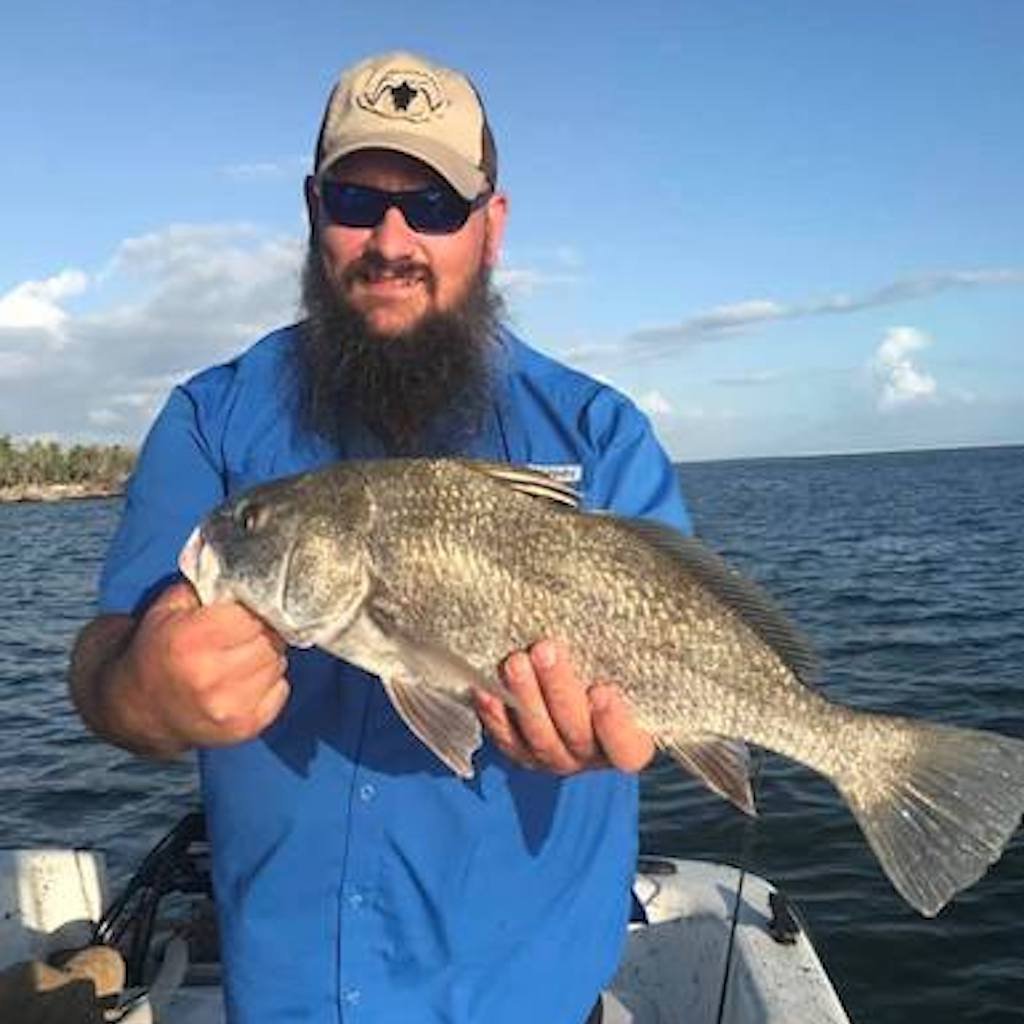
🎣 At a glance
- The fish
- Sleek ambush predator with a sharp black lateral line
- Where
- Mangroves, passes, bridges & dock lights
- When
- Moving tide; warm months are prime
- Rule
- Regulated/seasonal in Florida — responsible handling & release
- The take
- A hard thump and a dash back to cover
Where to find snook off Naples
Snook are ambush artists, so you find them by finding structure with current. Four spots cover most of it. Mangroves: they tuck into the shade under the roots in the Ten Thousand Islands and the backcountry, waiting to pounce on bait swept past. Passes: Capri, Big Marco, Gordon Pass and the rest funnel tide and stack snook on the edges and points. Bridges: pilings break the current and hold fish in the shadows. Dock lights: after dark, lit docks draw bait, and snook sit in the dark edge of the light cone to ambush it — one of the most exciting ways to catch them. The common thread is current meeting cover, the same logic our backwater trips are built around.
When they bite
Tide first, season second. Snook feed hard on a moving tide — the current does the work, sweeping bait to fish parked on the down-current side of structure. Slack water often shuts them off. Across the year, the warm months are prime as snook spread out and feed aggressively, with the passes and beaches especially good in late spring and summer; in winter cold snaps they pull back into deeper, warmer holes and creeks. Dawn, dusk and after-dark dock-light bites are classic. For the deeper species detail, see our snook ID page.
A regulated, prized fish — handle it right
Snook are one of Florida's most prized inshore catches, and they're regulated and seasonal — there are rules about when and whether one can be kept, and those change, so we'll keep it simple: your captain knows the current regulations and handles all of that. What matters on the water is treating every snook well. We use wet hands, support the fish horizontally, keep it in the water when we can, and revive it before release so it swims off strong. Responsible handling is how this fishery stays great, and it lines up with our broader catch-and-release approach.
| Spot | Best timing | Why it works |
|---|---|---|
| Mangrove roots | Moving tide, warm months | Shade + ambush cover |
| Passes | Strong moving tide | Tide funnels bait |
| Bridge pilings | Moving tide | Current breaks hold fish |
| Dock lights | After dark | Light draws bait to ambush |
Snook are the fish that gets inshore anglers hooked for life. Come learn to read the structure and the tide with us on a Naples fishing charter — we'll put you on one and show you how to send it back strong.
From the Helm: Lee-Side Mangroves: Working the Same Twenty Feet Off Marco
Picking which shoreline to fish isn’t really about the mangroves themselves — every shoreline out here looks like the same tangle of roots — it’s about which side of the island the wind’s hammering that morning. A stiff wind pushing straight into a shoreline stirs up the water and pins bait against the roots, which sounds good but often just muddies things up; we’ll usually favor the lee side instead, where the water stays cleaner and a bait can be presented without fighting the chop the whole time.
Who’s holding the rod matters just as much as the weather. A guest who can drop a bait within a foot of a root on command gets worked tight against structure where the biggest fish sit; a guest still building that accuracy gets set up along an open sandy point nearby where the margin for error is bigger and the strikes, while maybe smaller on average, come more often and build real confidence.
When a stretch of shoreline goes quiet, our instinct isn’t to abandon it for someplace new. We’ll tighten up and work the exact same twenty feet from a different angle, letting the boat slide with the current instead of anchoring rigid, covering that one root system from three or four drift lines before we call it dead and move on. Most of what looks like a wasted return trip to a spot is actually a totally different presentation.
Water temperature shapes the whole decision before wind even enters the picture. In the cooler months we’ll favor shorelines that catch full sun and warm first; through the hottest stretch we look for shade and deeper water nearby where fish can slide off the flat without traveling far. Tide stage narrows it further — a shoreline that’s a dud on slack water can turn on hard the moment the current starts pulling bait past those same roots again, so we’ll often idle nearby and simply wait the last few minutes out rather than run somewhere new right before the switch flips.
What surprises guests most isn’t the strike, it’s how short the fight actually is. A hooked snook doesn’t make a long run — it makes one hard lunge straight back for the roots, and the whole battle is really won or lost in that first half-second, in how far the boat was already positioned off the structure before the bite ever came.
That same read on wind, structure and timing carries straight into how we hunt reds and trout on the open flats nearby, and it’s built into every charter we run out of Marco.