
🐬 At a glance
- Best time of day
- Sunrise to late morning, before the sea breeze builds
- Sea state
- Glass-calm at dawn, building chop by early afternoon
- Weather
- Hurricane season opens June 1; afternoon storms are routine
- Bonus wildlife
- Magnificent frigatebirds overhead & loggerhead nesting season underway (May through October)
- Where
- Gordon Pass, Goodland channels & the Ten Thousand Islands
- Sightings
- Never guaranteed — but dolphins live here year-round, so odds run strong on a calm morning
Is June a Good Month for a Dolphin Tour on Marco Island?
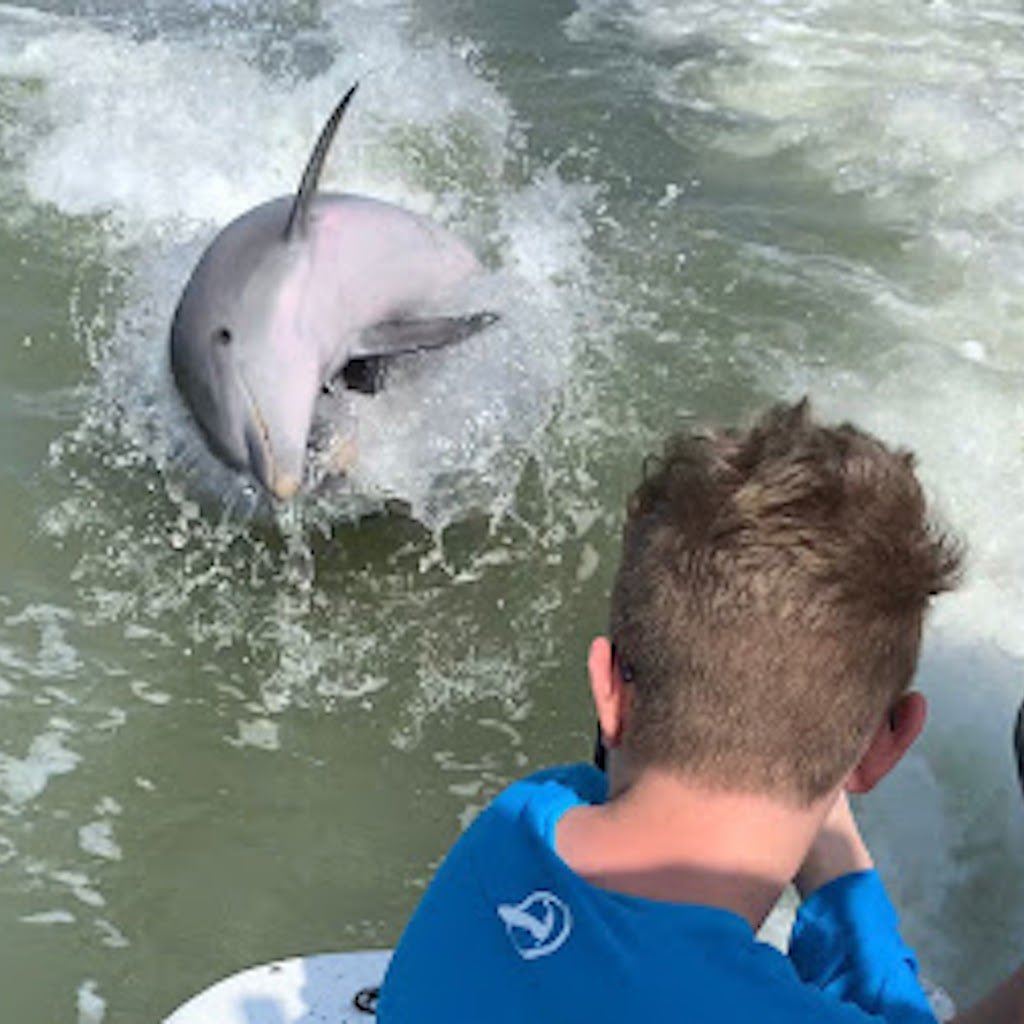
June answers this one cleanly: yes, and the mornings are the reason why. Every day down here starts with a short window where the Gulf goes properly flat — the overnight land breeze dies out, the afternoon sea breeze hasn’t built yet, and the water between Marco Island and the Ten Thousand Islands lays out like a sheet of glass. That flat water is what makes June dolphin-watching so reliable. A dorsal fin that would disappear into afternoon chop stands out clearly from a few hundred yards away at 8 a.m., and our captains can idle a course along a pass or sandbar edge and let the pod come to us instead of chasing wake.
Bottlenose dolphins live in these waters year-round, working the passes, channels and sandbar edges around Marco Island, Goodland and Naples on the tide, not the season. What changes month to month isn’t whether they’re here — it’s how easy they are to see and how comfortable the boat ride is while you’re looking. June checks both boxes in the morning: warm air, calm seas, and a Gulf that hasn’t started building the towering summer cloud stacks that show up like clockwork most June afternoons.
Morning vs. Afternoon: Why the Early Boat Wins in June
The mechanism behind it is simple daily weather, not luck. Overnight, the land cools faster than the Gulf, so a light breeze drifts offshore and leaves the water calm by sunrise. As the sun climbs, the land heats up faster than the water again, and by late morning that temperature difference starts pulling a sea breeze onshore. Add in June’s humidity and you get the textbook Florida pattern: clear, glassy mornings followed by building clouds through midday and scattered thunderstorms most afternoons. It’s the same rhythm that opens hurricane season on June 1, just on its everyday, non-tropical setting.
For dolphin-watching specifically, that flat morning water matters more than almost anything else you can control. Choppy water hides dorsal fins, breaks up the wake trails dolphins leave when they’re working a school of baitfish, and makes it harder to hold a steady, comfortable course. A calm morning lets our captains run slower and closer to the passes where dolphins feed on an outgoing tide, and it gives you a much better shot at watching a full surface-and-dive sequence instead of one quick glimpse before the boat has to correct for chop.
| Window | Sea State | Weather | Best For |
|---|---|---|---|
| Sunrise to late morning | Glass-calm to light chop | Clear skies, storms haven’t built yet | Spotting fins at distance, steady wildlife-watching |
| Early to late afternoon | Building chop with the sea breeze | Scattered thunderstorms typical, radar-dependent | Flexible bookings; captains adjust or reschedule around weather |
June’s Bonus Wildlife: Frigatebirds & Loggerhead Season
Dolphins aren’t the only reason to book the early June boat. Magnificent frigatebirds — the big, forked-tail seabirds that never seem to flap — ride the morning thermals over the Ten Thousand Islands all summer, often circling the same bait balls that draw the dolphins in. Ospreys work the same passes, and brown pelicans fold into dives along any stretch of open water. None of it is choreographed; it’s just what a healthy June morning on the Gulf looks like.
June also falls squarely inside loggerhead nesting season, which runs May through October on the beaches around Marco Island and Naples. The nesting itself happens onshore after dark, so you won’t see it from the boat, but it’s not unusual for our captains to spot a loggerhead surfacing to breathe well offshore during a June run — a genuine bonus, never a promise. Between the dolphins, the birds and the chance of a turtle, June mornings pack in more going on than the water alone would suggest. Our wildlife-by-season guide breaks down what to expect month by month if you want the full year’s picture.
Hurricane Season Opens June 1 — How We Handle It
June 1 is the official start of Atlantic hurricane season, and it’s worth naming honestly rather than glossing over. In practice, the first weeks of June rarely bring organized tropical systems — what you’re actually dealing with is Florida’s ordinary summer pattern of daily sea-breeze thunderstorms, the same setup described above. Our captains watch radar all day, every day, and the calendar date doesn’t change that habit, it just raises the stakes a little as the season goes on.
What that means for you: morning trips are the safest bet against weather delays, since most June storm activity fires up after 11 a.m. and clears out again by evening. If a system does organize or a storm cell sits over our route, we reschedule rather than run a boat into it — the dolphins, birds and islands will still be there. If your travel dates are flexible and you want the fuller weather picture for the month, the June boat tours overview covers how every trip type on the water handles this same seasonal pattern.
Where Our Captains Run for June Dolphins
Most June dolphin trips work the passes and channel edges rather than open Gulf water, because that’s where the bait — and the dolphins chasing it — concentrate on a moving tide. Gordon Pass near Naples, the channels around Goodland, and the maze of cuts through the Ten Thousand Islands toward Cape Romano all produce sightings through June, and our captains choose the day’s route based on wind, tide and where dolphins have been working recently rather than a fixed itinerary.
If June is your window, book a dolphin tour and ask for the early departure — it’s the single best lever you have for calm water and good sightings this month. Our full seasonal guide lays out how every month compares if your dates are still flexible, and if you’d rather build your own morning around dolphins plus something else on the water, a private charter lets you set the exact timing yourself.