
☀️ At a glance
- Year-round
- Bottlenose dolphins, pelicans, herons & egrets
- Cool season (Nov–Mar)
- Manatees gather; clear calm water; nesting eagles
- Spring (Feb–May)
- Rookeries active; rays on the flats; tarpon arrive
- Summer (May–Oct)
- Sea turtle nesting; peak tarpon; warm water
- Tide tip
- A falling tide beats the calendar for wading birds
Cool season (Nov–Mar): manatees and clear water
When the first cold fronts drop the Gulf temperature, the estuary becomes a refuge. West Indian manatees move into the warmer back-bay water once it falls below about 68°F, so your best shot at one is the cool months, November through March. Picture them dispersed through the quiet creeks of Rookery Bay, not herded by the hundreds the way they are at the natural springs up north. Winter also brings our calmest, clearest water and nesting bald eagles, while dolphins keep right on doing their thing.
Spring (Feb–May): rookeries and rays
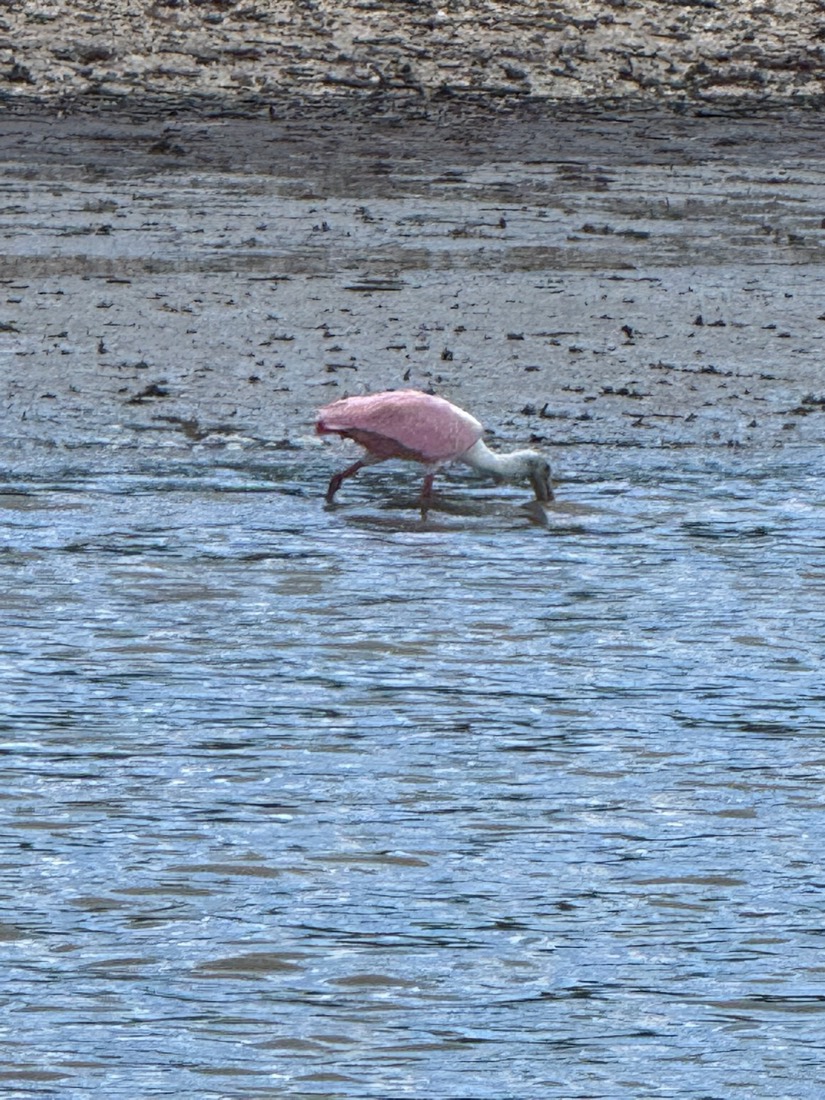
Spring is when the bird world goes loud. The island rookeries fill with nesting herons, egrets and spoonbills, all dressed in their best breeding colors. Rays cruise the warming flats and leap clear of the water. Toward late spring the first tarpon start rolling through the passes. It's a beautiful, busy time to be out, and the bugs and heat haven't fully arrived yet.
Summer (May–Oct): turtles and tarpon
Summer is nesting season for the loggerhead sea turtle, our main nester, which crawls up local beaches from May through October — you can read the full story on our sea-turtle nesting page. It's also peak tarpon, when these silver giants roll through the passes and along the beaches. The water is bathtub-warm and the wildlife is everywhere; just plan around the afternoon thunderstorms, which is exactly what our captains do.
The wildlife calendar at a glance
| Window | Highlight |
|---|---|
| Nov–Mar | Manatees gather; clearest water; nesting eagles |
| Feb–May | Rookeries active; spoonbills in breeding pink; rays |
| May–Oct | Loggerhead nesting; peak tarpon |
| Year-round | Dolphins, pelicans, herons, egrets, ibis |
Whatever the month, dolphins are a near-lock and the backwaters are alive. See the realistic odds for each animal on our wildlife checklist, then book a dolphin & wildlife tour for the season you're here.
From the Helm: why our routes swing from Panther Key in winter to sunrise runs in summer
Off Panther Key on a clear morning after a winter front, the water goes flat and gin-clear, and that clarity changes everything about how we hunt for wildlife — we can often spot a ray’s wingtip shadow or a turtle’s shell outline from twice the distance we’d get in summer’s tannic, wind-stirred water. Winter fronts push cooler, cleaner water down from the north, and we’ll lean the whole day’s route toward the clearer stretches while that window lasts, since sight-based finds get so much easier when the water cooperates.
By late spring, the calculus flips. The Gulf warms, the afternoon sea breeze builds into thunderheads almost daily by early summer, and we start front-loading our wildlife runs into the first hours after sunrise rather than saving the best water for midday. Morning glass gives us the flattest surface to spot a dorsal fin or a stack of feeding birds, and it gets us back to the dock well before the first rumble rolls in off the Everglades. We’d rather trade a slower midday for a clean, uninterrupted early window every time.
Wind direction matters as much as the calendar. A north wind behind a winter front tends to flatten the bay side and roughs up anything exposed to open Gulf, so we’ll tuck into protected creeks and back bays rather than run open water that day. A steady summer sea breeze out of the southwest does the opposite, building chop through the afternoon on the outside while the bay stays comparatively calm longer. We check the wind each morning before deciding which stretch of water gets our attention that day.
Fall is the trickiest stretch to plan around, since it’s neither the settled clarity of a strong winter front nor the predictable afternoon build of summer. The first cold fronts start sneaking down in October and November, but they’re inconsistent early in the season, so we’ll check the forecast the night before more closely than any other time of year and hold off committing to a route until the morning wind actually shows itself. A front that arrives a day early can turn a planned bay run into a clear-water outside day, so we stay ready to flip the plan at the dock rather than on the water.
None of that changes what we tell guests before a trip — the season sets the odds, not the itinerary. What we do adjust quietly is departure time, the specific creeks we favor, and how long we linger on any one sighting; a slow-moving front might buy us an extra twenty minutes on a promising bar, while a building sea breeze means we’ll wrap a stop short and keep moving. Guests rarely notice these small route tweaks, but they’re the difference between fighting the day’s weather and working comfortably inside it.
| Season | Wind pattern | Where we lean |
|---|---|---|
| Winter (post-front) | North wind, flat bay side | Protected creeks & back bays |
| Spring | Building, variable | Mixed inside and outside runs |
| Summer | SW sea breeze, afternoon storms | Early sunrise runs, wrap by midday |
However the wind is blowing on your morning, our dolphin tours and the wildlife checklist both give you a realistic read on what a given season tends to produce, so you can plan the day around the water instead of against it.