
🐬 At a glance
- Water and weather
- Dry season returns; rain tapers off and the Gulf and backwaters clear up fast.
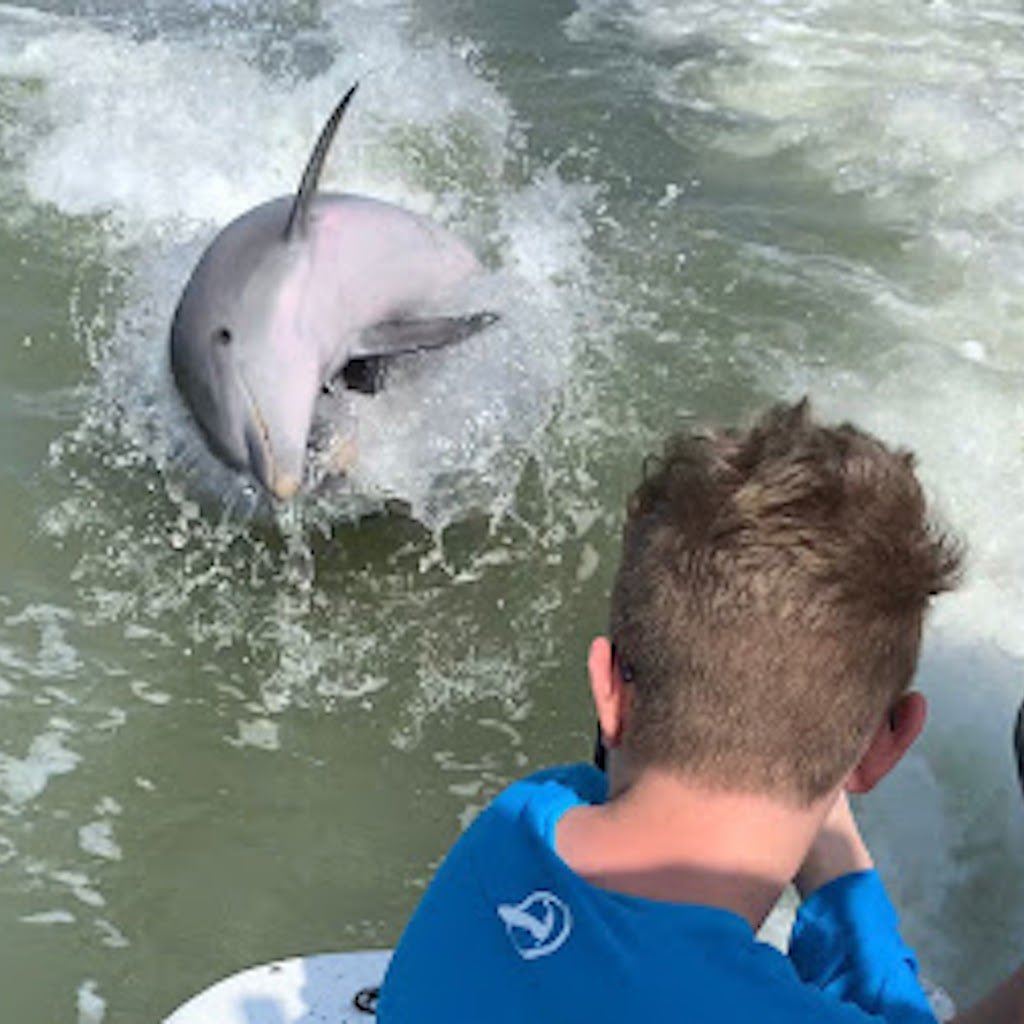
- Dolphins
- Year-round residents work the cooling passes on bait fish — not guaranteed, but conditions favor sightings.
- Manatees
- First dispersed sightings possible in Rookery Bay’s backwaters as temps dip toward 68°F late in the month.
- White pelicans
- Winter migrants begin staging across the Ten Thousand Islands’ sandbars and flats.
- Crowds
- Ahead of the winter snowbird surge (December–March) — easier booking, quieter passes.
- Best window
- Calm early-to-mid mornings, before the afternoon sea breeze builds.
Is November Good for a Naples Dolphin Tour?
If you’re weighing dates, November earns a genuine yes. The Gulf’s summer rainy season winds down through the month, hurricane season officially closes out on November 30, and the water around our dolphin tours starts running clearer than it has since spring. Cooler water also concentrates bait fish in the passes — Big Marco Pass, Capri Pass, Gordon Pass — and that’s exactly where our captains find bottlenose dolphins working the current lines, chasing mullet and pinfish pushed through on the tide. None of this is a guarantee; dolphins are wild animals, not a show on a schedule. But conditions line up in November’s favor more than almost any other month, and you’re doing it before the holiday and snowbird rush fills the passes with boat traffic.
November also sits in a sweet spot on the calendar. It’s after loggerhead nesting season closes (that runs May through October) and before the deeper winter manatee push of January and February, so you’re catching the first chapter of the cool-season wildlife story instead of the middle or the end. Book early or late in the month and you’ll notice the water itself changing — the milky green of late summer gives way to something closer to true Gulf blue.
What the Water and Weather Do in November
Dry season is the headline. Southwest Florida’s rain all but stops falling by mid-November, which means less freshwater runoff clouding the passes and backwaters — the same clarity that makes the winter months so good for sight-fishing and shelling. Air temperatures ease into the 70s and low 80s°F, and the first real cold fronts of the season start pushing through, dropping water temperatures a few degrees at a time instead of the gradual summer drift. Wind can pick up behind a front, so mornings tend to be your calmest window before the afternoon breeze builds — worth keeping in mind whether you’re chasing dolphins, planning a broader seasonal trip, or just want smooth water for the whole family. For a wider look at what the month brings beyond wildlife — weather, what to pack, general trip planning — our November boat tours guide covers all of it.
Layering is the smart move this time of year. Mornings can start cool enough for a light jacket, especially right after a front pushes through, while afternoons still warm up enough for a T-shirt and sunscreen. Bring both, plus a light rain layer just in case — November’s dry season doesn’t mean zero rain, just far less of it than August or September brings. Sunglasses matter more than people expect, too: improving water clarity means more glare bouncing off the surface, and a good pair of polarized lenses makes it noticeably easier to spot a dorsal fin cutting through the chop before anyone else on board does.
Dolphins, Pelicans and Early Manatees
Bottlenose dolphins live in these waters year-round — there’s no single named pod you’re chasing, just the animals that call the Ten Thousand Islands home in every season. What changes in November is behavior, not presence. As bait fish concentrate in the cooling passes, dolphins follow, and that makes sightings more likely on a given trip, even though nothing in nature is ever guaranteed.
November also opens the door to two wildlife stories most visitors don’t expect. American white pelicans, some of the largest birds in North America, arrive from northern breeding grounds and begin staging in big rafts across the sandbars and flats of the Ten Thousand Islands — a very different bird than the brown pelicans diving for bait here year-round. And as the month’s cold fronts push water temperatures down toward that 68°F threshold, you get the season’s first dispersed manatee sightings tucked into the warmer backwaters around Rookery Bay. This isn’t Crystal River — you won’t find dozens stacked in one spring — but a manatee surfacing beside the boat in November is a genuine early-season bonus, never something we promise.
Federal law sets minimum distances for approaching both dolphins and manatees, and our captains hold that line closely — a slow, steady approach, no chasing a pod down, no crowding a manatee working the shallows. It makes for a better trip anyway: you’re watching wild animals go about a normal November day at their own pace, not a staged encounter, and that’s exactly the kind of sighting that sticks with you.
One thing November doesn’t offer: turtles cruising near an active nest site. Loggerhead nesting season runs May through October, so by November that chapter has closed for the year, even though loggerheads themselves are out in the Gulf year-round. For the full rundown of what’s moving through the water this time of year, our wildlife guide breaks it down season by season.
Best Time of Day and Tide for a November Trip
Mornings are the move in November. Fronts tend to stir up the afternoon breeze, so an early departure — before the wind fills in — usually means flatter water, easier dolphin-spotting, and a more comfortable ride for kids and anyone prone to seasickness. It’s also simply prettier light for photos, with low-angle morning sun on calm water. If you want to build a full day around it, pair your dolphin watching with time on one of the barrier islands, or look at a private charter if you’d rather set your own schedule around the tide and the front instead of a fixed departure time.
Why November Beats the Holiday Crowds
Marco Island and Naples get busy fast once Thanksgiving week hits, and busier still through the snowbird season that runs December into March. November — especially the first three weeks — is the quiet window: easier availability, fewer boats working the same passes, and a schedule flexible enough to go out at the time that actually suits the wildlife instead of a packed departure board. If you can be flexible on dates, it’s one of the most underrated months on the calendar for exactly that reason.
| Month | Dolphin Activity | Manatee Odds | Gulf Water Temp |
|---|---|---|---|
| October | Peak mullet-run feeding along the beach | Very low | Upper 70s–low 80s°F |
| November | Steady, working bait in the cooling passes | First dispersed sightings possible late in month | Mid-to-upper 70s°F, dropping toward 68°F |
| December | Consistent, working bait through the passes | Building toward peak winter numbers | Upper 60s–low 70s°F |