
🗺️ At a glance
- Boat ride
- Cape Romano is the longer run south; Keewaydin is a quick hop across the pass
- Signature sight
- Cape Romano's half-submerged dome-house ruins, toppled by Hurricane Ian in 2022
- Shelling style
- Cape Romano: wild and remote. Keewaydin: easy sandbar, reliable finds
- Wildlife
- Bottlenose dolphins possible on either run; manatees only in cooler months near Rookery Bay
- Best for
- Cape Romano: adventurous shellers & history buffs. Keewaydin: families & first island trips
- Rule
- Empty shells only — no live shells, sand dollars or starfish, per Collier County law
What Cape Romano Offers
Cape Romano sits at the southern edge of the Ten Thousand Islands, past Kice Island and the last stretch of open barrier beach before the chain gives way to Everglades backcountry. Getting there is part of the draw — it's the longer run on this list, and you'll watch the coastline thin out from condos to raw mangrove as the captain pushes south. The reason most people book this run in the first place is the dome houses: a cluster of connected concrete domes built decades ago as a private residence, half swallowed by the Gulf today. Hurricane Ian toppled the structures in 2022, and what's out there now is a half-submerged ruin, not the standing house you may have seen in older photos — still an unforgettable, slightly eerie sight from the water, and one of the most photographed spots in Southwest Florida. Read the full Cape Romano dome houses guide before you go so you know exactly what you're looking at and why it's there.
What Keewaydin Offers
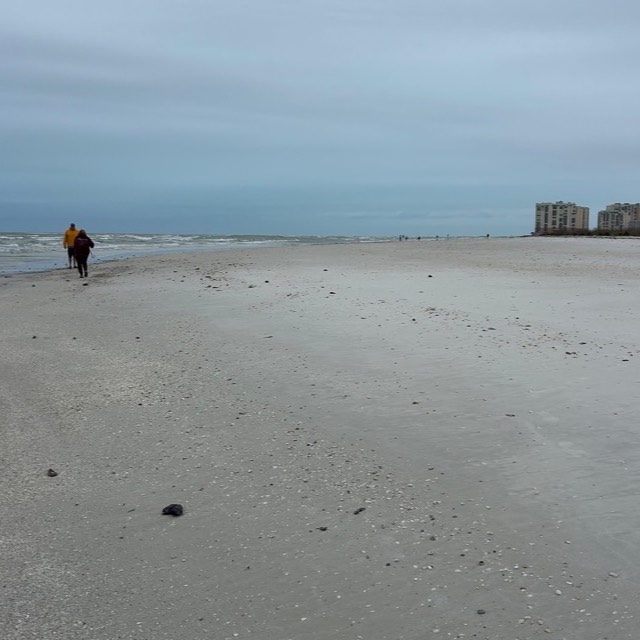
Keewaydin is the closer option, a boat-only barrier island tucked between Naples and Marco Island with no bridge and no cars — the only way in is by water. Where Cape Romano asks you to settle in for a longer ride, Keewaydin gets you off the boat fast, usually onto a wide, easy sandbar that makes for a simple, no-drama landing with kids or first-timers in tow. The beach here has a classic Ten Thousand Islands feel: shallow, calm water on the bay side, open Gulf surf on the other, and enough shell-strewn sand in between to keep everyone busy for an hour. Our captains like running here specifically because the pass nearby tends to hold bottlenose dolphins, so the ride out and back often turns into its own small show. Check the Keewaydin Island guide for what to expect on the ground, or book the dedicated Keewaydin shelling tour if this is the island you've already decided on.
Shelling: Wild and Remote vs. Close and Reliable
Both islands reward a good look down, but they reward it differently. Cape Romano's remoteness means fewer feet have walked the tide line before you — it's the pick when you want a shot at something less common, and you're willing to trade convenience for the chance. Keewaydin, by contrast, is close enough and popular enough that our captains can time a landing around the tide with real consistency, which makes it the safer bet if shelling is the whole point of your trip rather than a bonus. Neither is a sure thing — nothing in shelling ever is, and we won't promise you'll fill a bag on either island — but both hold up well against winter's morning negative low tides and summer's evening lows alike, since good shelling here runs all year, not just one stretch of the calendar. Whichever island you choose, the rule doesn't change: empty shells only. Collier County prohibits taking live shells, live sand dollars and live starfish, so anything still moving goes back exactly where you found it. Brush up on what you're likely to find at the seashell guide before you go, and browse the full shelling tours lineup to see how each island fits into a trip.
Wildlife and Scenery Along the Way
The run itself is half the experience on either tour, and the wildlife doesn't punch a clock for either island. Bottlenose dolphins live in these waters year-round, and it's common to pick up a pod riding the bow wake on the way to Cape Romano or cutting through the pass near Keewaydin — though we never promise a sighting, since these are wild animals moving on their own schedule, not a resident show put on for visitors. In the cooler months, roughly November through March, keep an eye out near Rookery Bay for manatees; you'll typically find them scattered in ones and twos seeking warmer water rather than gathered in the big herds you might picture from Crystal River. Loggerhead sea turtles nest on undisturbed stretches of both islands from May through October, so during those months our captains steer wide of marked nesting areas and ask guests to do the same. Scenery-wise, Cape Romano leans wild and open — more mangrove, more sky, fewer other boats — while Keewaydin feels a touch more sheltered, framed by the Naples and Marco Island skylines in the distance. For a broader look at what shares these waters with you, visit the wildlife guide, and if dolphins are really the main draw, a dedicated dolphin tour may serve you even better than either island stop.
Which One Should You Book?
Here's the honest verdict: if the half-submerged dome ruins pull at you, if you want the longer, wilder run, and you're chasing shelling beaches most visitors never reach, Cape Romano wins. If you want the classic Ten Thousand Islands afternoon — an easy sandbar landing, reliable shelling, and good odds on dolphins — without committing to the longest ride on the water, Keewaydin wins, especially with younger kids or first-time visitors along. Neither answer is wrong, and plenty of our regulars eventually do both on separate trips. If you can't decide, tell your captain when you book; a private charter can sometimes be built around one island or split between a shorter stop at each, depending on tide and conditions that day. Either way, start from our full shelling tours lineup and let the crew match the run to what you actually want to see.
| Factor | Cape Romano | Keewaydin |
|---|---|---|
| Boat ride | Longer run south past Kice Island | Short hop across the pass |
| Signature sight | Half-submerged dome-house ruins (post-Ian) | Easy sandbar & open beach |
| Shelling | Wild, remote, less-picked | Reliable, easy walking |
| Landing | Exposed, better for confident walkers | Gentle sandbar, kid-friendly |
| Wildlife odds | Dolphins possible en route | Dolphins common near the pass |
| Best for | Adventurous shellers, history & ruins fans | Families, first-time island visitors |