(239) 301-8913 Departing Marco Island & Naples, FL
⚓ USCG Licensed & Insured 4.9★ from 2,000+ guest reviews — read them on Google & Tripadvisor
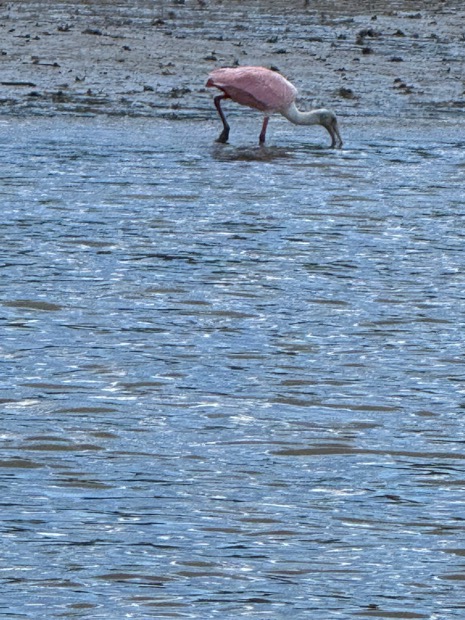
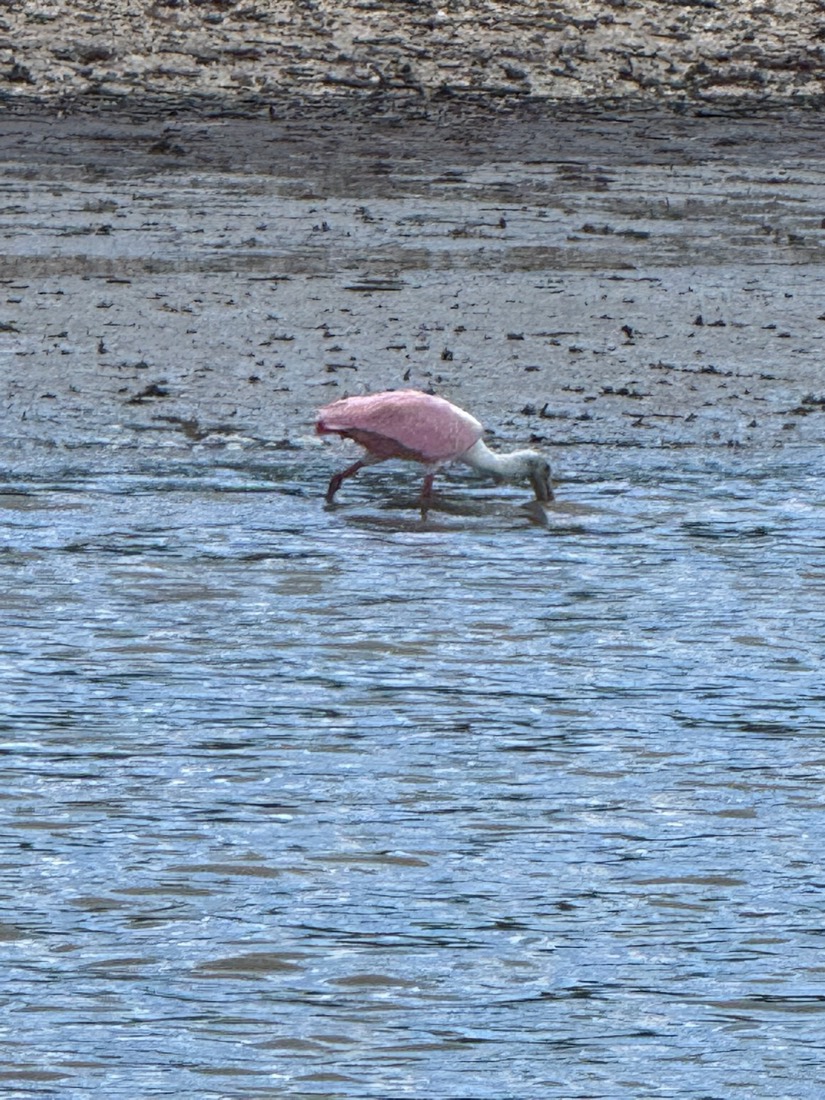
A pink roseate spoonbill wading in the shallows of the Ten Thousand Islands near Marco Island, Florida

★ Spoonbills, Ospreys & More

Bird Watching Boat Tours

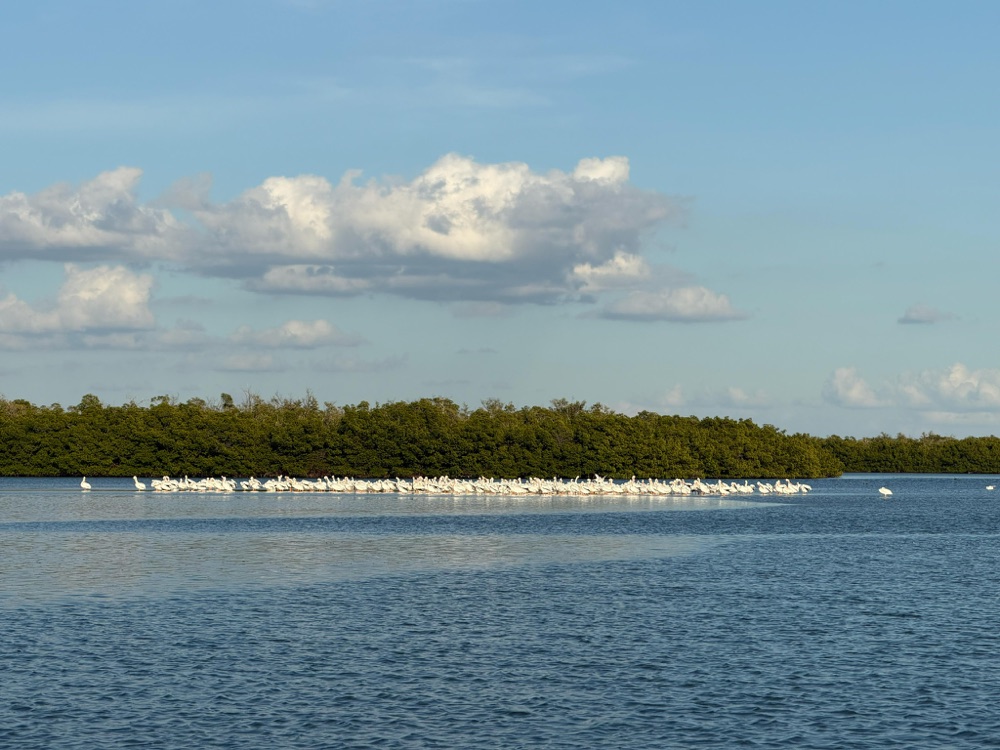
The mangrove estuaries around Naples and Marco are a birder’s paradise — pink roseate spoonbills, diving ospreys, brown pelicans, herons and egrets, all best seen from the water. We’ll idle you right up to the rookeries and feeding flats.

  • From Naples & Goodland
  • Half-day & shorter cruises
  • Private & small-group
  • 5.0 ★ rated
Departs fromNaples Bay & San Marco Marina (Goodland)
You may seeSpoonbills, ospreys, pelicans, herons & egrets
WhereRookery Bay & the Ten Thousand Islands
Great forBirders & photographers

A Birder’s Paradise

The best birding is by boat

Southwest Florida’s mangrove coast is one of the richest bird habitats in the country, and the very best of it — the rookeries, the feeding flats, the oyster bars — can only be reached by boat. From the water you drift right up to birds that would flush from a trail.

The star is the roseate spoonbill, a flamingo-pink showstopper that wades the shallows, but it’s in great company: ospreys plunging for mullet, brown pelicans dive-bombing bait, great blue herons, snowy egrets, ibises, cormorants and frigatebirds riding the wind. Our captains — including a Florida Master Naturalist — know where each species feeds and nests.

We idle quietly through Rookery Bay and the Ten Thousand Islands so you (and your lens) can get close without disturbing the birds. It’s a peaceful, gorgeous trip, and dolphins and manatees usually photobomb along the way.

  • Reach rookeries & flats only accessible by boat
  • Roseate spoonbills, ospreys, pelicans, herons & egrets
  • A Florida Master Naturalist captain on many trips
  • Dolphins & manatees often join the cruise
Check Availability
Roseate spoonbill and wading birds on a Sand Dollar eco tour near Naples, Florida
Pink showstoppers

Where the Birds Are

Prime birding grounds

The protected estuaries where the flocks gather.

01

Rookery Bay

A 110,000-acre protected estuary of mangroves and birdlife just south of Naples — a rookery wonderland.

02

Ten Thousand Islands

Mangrove rookeries and oyster bars where spoonbills, herons and pelicans nest and feed.

03

Oyster bars & mudflats

Exposed at low tide, these draw wading birds by the dozen to feed.

04

Osprey perches

Channel markers and snags where ospreys nest and dive for mullet.

🦩 Winter and spring bring nesting season and migrants — peak birding, but the rookeries are busy year-round.

From the Helm

Bird watching: working Rookery Bay’s creeks once the mud flats start to show

You’ll usually spot the rookery before you spot the birds — a stand of mangroves gone white and streaked at the top, thick with roosting wings even from a few hundred yards off. That’s the marker your captain is scanning for as we idle into the tidal creeks off Rookery Bay, and once we see it we cut speed early, well before anyone can make out a single heron, so the wake doesn’t spook the whole tree before we’re close enough to matter.

We favor the back half of the ebb for this, once the water’s dropped enough that the mud flats and oyster bars start to show. As they do, wading birds — herons, egrets, the odd roseate spoonbill working the shallows in pink — push out onto that newly exposed mud to feed, and they’ll often hold their ground even with a boat idling nearby, so long as we cut the engine well back and coast in quiet instead of motoring straight in on the throttle.

Your captain will usually kill the engine a good distance out and let the boat glide on momentum, angling us so the sun sits behind your shoulder instead of in your eyes, which turns a squinting silhouette into a clean, well-lit look through the binoculars. We keep a pair or two aboard, along with a laminated card of the usual suspects, because half the fun is a guest at the rail asking “what is that pink one” and getting a real answer on the spot.

Wind plays a role too — a stiff onshore breeze pushes bait fish tight against the mangrove roots, and the birds know it, so on windier mornings we’ll often find more action tucked into the lee creeks than out in the open bay. It’s less about one perfect spot and more about tracking which edge the water’s pushing bait toward that particular morning.

Some mornings the tide window closes before we’ve worked every creek we’d like, so your captain will usually pick two or three reliable stretches rather than chasing every rumor of a rookery further back in the mangroves. It keeps the pace unhurried and gives everyone aboard a real look instead of a series of quick passes, and it leaves room to double back on the one creek that was actually producing.

Birding blends easily into a wider wildlife run, since dolphins and the occasional manatee use these same creek mouths, and our bird rookeries guide and Rookery Bay guide both dig deeper into what’s nesting and when, month by month, if you want to plan a visit around a particular species.
Who It’s For

Perfect for birders & nature lovers

Birders

Reach rookeries and flats no trail can, with a captain who knows every species.

Photographers

Drift close for frame-filling shots of spoonbills, ospreys and herons.

Eco-tourists

A quiet, low-impact way to experience a world-class estuary.

Families

Big, colorful birds plus dolphins and manatees keep kids engaged.

On the Wing

Moments from birding trips

Tap any photo to look closer.

Roseate spoonbill near Marco Island
Roseate spoonbill
Wading birds on an eco tour near Naples
Wading flocks
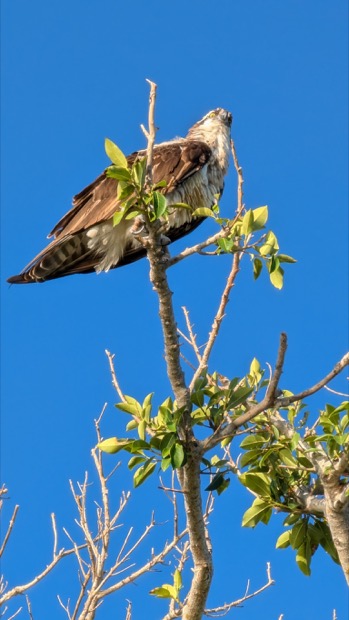
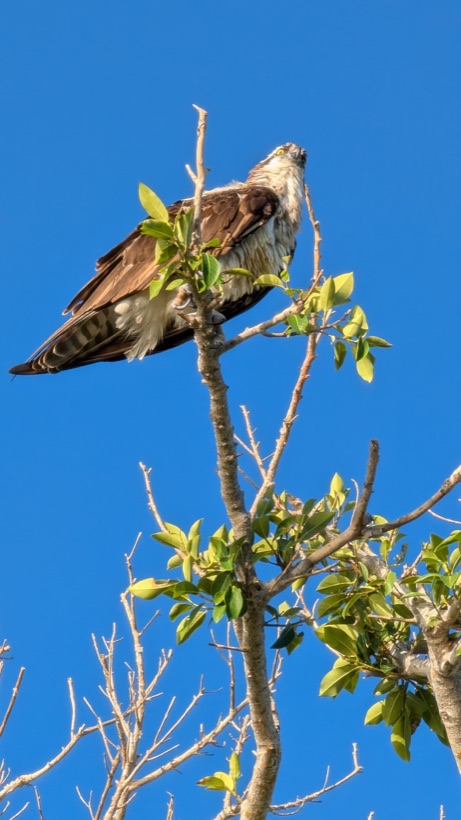
Osprey near Marco Island
Osprey on the hunt
Osprey perched near the Ten Thousand Islands
Nesting ospreys
Brown pelican near Naples
Brown pelicans
Mangrove rookeries of the Ten Thousand Islands
The rookeries

Good to Know

Bird watching tour questions

What birds can you see on a Naples wildlife tour?

Roseate spoonbills are the showstopper, along with ospreys, brown pelicans, great blue herons, snowy and great egrets, white ibises, cormorants, frigatebirds and many more. The mangrove estuaries here are among the richest bird habitats in the country.

When is the best time for bird watching?

Winter and spring are peak, bringing nesting season and migratory species, but the rookeries and feeding flats are active year-round. Early-morning light is especially good for photography.

Why see birds by boat instead of from shore?

The best habitat — the rookeries, oyster bars and feeding flats of Rookery Bay and the Ten Thousand Islands — can only be reached by boat. From the water you can drift close to birds that would flush from a trail.

Should I bring binoculars or a camera?

Yes to both if you have them — a zoom lens and binoculars make a great trip even better. Your captain will get you into good position; the quiet idle keeps the birds relaxed.

Will we see dolphins and manatees too?

Very often. The same estuaries that draw the birds are full of dolphins and manatees, so a birding trip usually turns into a full wildlife cruise.

Reserve Your Seats

Book a bird watching tour

Live availability and instant confirmation — pick your date and trip, or call and a local captain will plan your eco cruise.

Or call (239) 301-8913

Grab your binoculars

Drift into a birder’s paradise

Spoonbills, ospreys and pelicans in the rookeries only a boat can reach. Book your bird watching tour today.

← All Dolphin & Wildlife Tours

Proud member, Greater Naples Chamber of Commerce · Listed with VISIT FLORIDA, Paradise Coast CVB, Visit Marco Island & Visit Naples

Book Now