
🎣 At a glance
- Where
- Artificial reefs, ledges & wrecks off Naples
- Distance
- A short nearshore run — not deep offshore
- Top targets
- Grouper, snapper, mackerel, permit, cobia
- Two methods
- Bottom-fishing the structure or trolling the edges
- Licensing
- Covered by the charter's vessel license
What's holding on the structure
The nearshore Gulf off Naples is mostly sand and grass, so fish key on anything that breaks the bottom — an artificial reef of dropped concrete and rubble, a natural limestone ledge, or the skeleton of an old wreck. These spots grow algae and barnacles, which draw baitfish, which draw predators. Drop on the right piece of structure and the sounder lights up like a Christmas tree. The catch is that you have to be on the structure: a few yards off and you're fishing dead sand. That's where a captain's logged numbers and read on the current earn their keep.
This is a different trip than our inshore fishing in the bays, and a step up in tackle and water. It's still very doable for families on a calm day, and the variety keeps everyone busy.
Grouper, snapper, mackerel and more
The headliners on the bottom are grouper and snapper — hard-pulling, great-eating fish that try to dive straight back into the rocks the second they're hooked, so you fish heavier and lock down the drag. Up in the water column, fast Spanish and king mackerel slash through bait schools and crush a trolled spoon or live bait. Cobia cruise the structure curious as puppies, often following a hooked fish right up to the boat, and permit hover over wrecks in summer for the anglers who want a real challenge. Seasons and harvest rules for these are regulated and change through the year, so your captain tells you on the day what's open and what's release-only.
| Fish | Where on the structure | Best method |
|---|---|---|
| Grouper | Tight to the rocks & ledges | Bottom-fishing, heavy tackle |
| Snapper | Around & just off structure | Bottom-fishing with lighter leader |
| Mackerel | Up in the water column | Trolling or casting to schools |
| Cobia | Cruising the structure & buoys | Sight-cast a bait or jig |
| Permit | Hovering over wrecks (summer) | Live crab on light tackle |
Bottom-fishing vs trolling
Two tactics cover most nearshore trips. Bottom-fishing means anchoring or drifting over the structure and dropping baits straight down to the grouper and snapper holding on it — it's hands-on, productive, and a favorite with kids because every drop could be a thump. Trolling means pulling spoons, plugs or live baits along the edges to cover water and pick off the roaming mackerel, cobia and kingfish. A good captain mixes both: drop on a wreck for bottom fish, then troll between spots to scratch up a mackerel or two. Calm seas make the difference out here, so we keep a close eye on the wind — if it's snotty, we tuck back inside and fish the backwater instead. Either way, a licensed charter covers every guest under the vessel license.
From the Helm: Ledges & Wrecks Nearshore: Why the Wind Decides If We Run
We’re usually idling out past the sea buoy before the light’s even fully up, watching the bottom machine change from a flat, featureless line to a jagged little cluster of returns — hard bottom, a ledge, maybe an old wreck no bigger than a swimming pool. That patch might only run twenty or thirty feet across in a Gulf floor that’s otherwise flat as a parking lot for miles, and finding it precisely, not just generally, is most of the job before a single bait goes down.
Whether we run out there at all on a given morning comes down to wind more than anything else. Light air out of the east and the Gulf lays down glass calm, so we’ll push eight or ten miles to work structure properly. Let it build past fifteen knots out of the southwest by mid-morning, and we either get out there at first light and beat the chop home, or we scrap the plan and work protected water closer to the passes instead. Water temperature factors in too — a hard winter cold snap can shut a reef down for days. Who’s aboard shapes the call as well: guests without much time on open water get kept to the closer, shallower structure even on a calm-looking morning, since a gentle six-mile swell that we barely notice can still turn a stomach that isn’t used to it.
When a numbered spot isn’t showing life — no bait balled up, nothing holding tight to the structure — plan B usually isn’t to keep grinding it. We’ll widen the drift a hundred yards, or pick up and run a half mile to a second piece of structure rather than beat a dead spot into looking better than it is. Two or three quiet marks in a row and we’re moving, because time spent hoping a wreck wakes up is time not spent finding one that already has.
What catches guests off guard is how small the actual productive zone can be. They picture wide-open ocean fishing as covering miles; in practice the bite might live in a patch the length of the boat itself, right where the current sweeps bait across the high spot. Boat position matters more than distance traveled — we’ll spend more time nosing into the exact right drift than we ever spend running to get there.
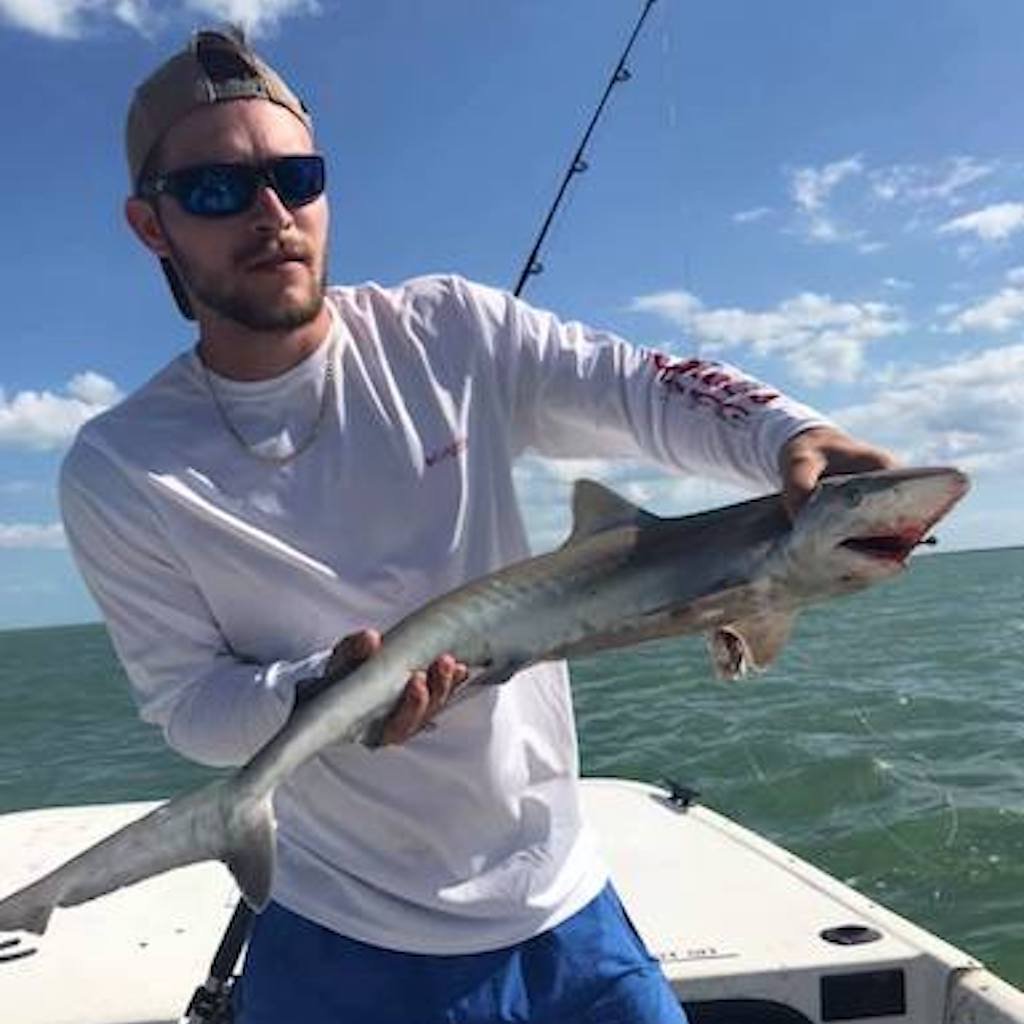
Structure like this also draws bigger predators looking to ambush whatever’s stacked on it, which is part of why nearshore trips sometimes turn into a shark story nobody expected. If you want a morning built around finding that kind of structure the right way, book a charter with us and we’ll read the wind before we ever leave the dock.