
☀️ At a glance
- The pattern
- Short afternoon storm cells, mostly Jun–Sep
- Best window
- Mornings are usually clear and calm
- If it rains
- We reschedule or shift the departure time
- True washout
- Rare; indoor backups are easy to find
- Tip
- Check the weather policy when you book
How Southwest Florida rain actually works
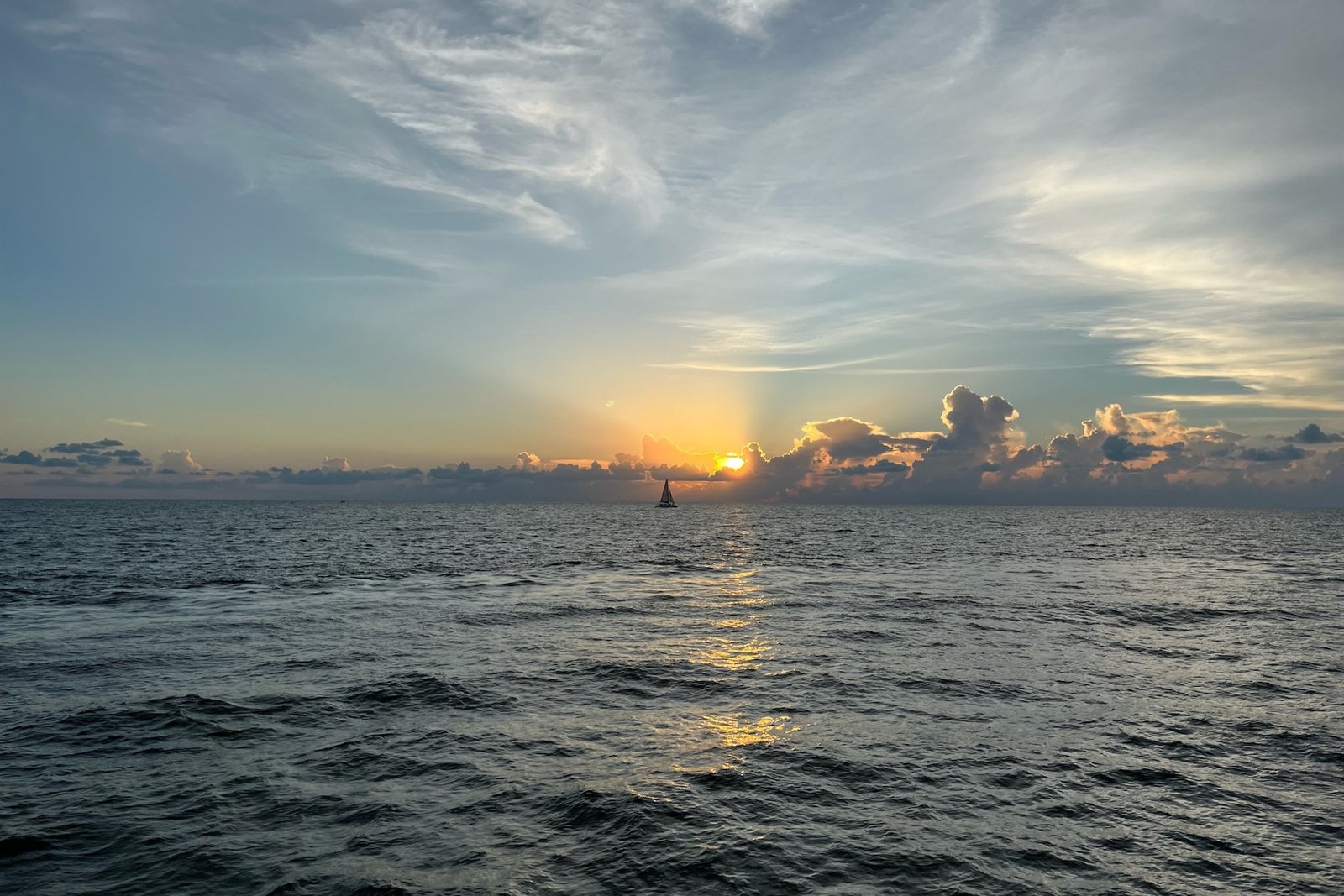
If you're from a place where rain means a gray, drizzly all-day affair, forget it down here. Naples rain — especially in the summer wet season from roughly June through September — arrives as a classic Florida afternoon thunderstorm: clouds stack up over the inland Everglades by early afternoon, roll west, dump a hard, warm rain for twenty to forty minutes, and break apart. By dinnertime the sky is often clean and gold again. Mornings, by contrast, are usually calm and clear, which is exactly why our captains love to run trips early. Our deeper look at summer thunderstorm timing and Naples weather by month breaks down what to expect season by season.
How we work around the weather
Because the rain is so predictable in shape, we can plan around it. The simplest move is timing: we lean trips toward the clear morning window and away from the afternoon build-up. If a cell is sitting on the water at your departure, we'll often just wait it out — these storms pass fast — or shift you earlier or later in the day. And if conditions genuinely won't cooperate, we reschedule. Safety comes first, always; no captain worth their license runs a tour into lightning. The key thing to know before you book is exactly how this works, which is why we spell out our weather and cancellation policy plainly. A little rain in the forecast is not a reason to cancel your trip — it's a reason to go in the morning.
If it's a true washout: indoor backups… and the rebound
Genuine all-day rain is rare here, but when a tropical system or a stalled front parks over the coast, have a backup. Naples is loaded with rainy-day options — museums and galleries downtown, shops and restaurants along Fifth Avenue, an aquarium-style nature center, or a long lunch at a waterfront restaurant watching the storm roll through. Here's the local secret, though: the hours right after a storm or a winter cold front are some of the best on the water. The wind churns up fresh shells and pushes them ashore, so a rescheduled shelling tour the next morning can out-fish a calm week. A rainy day, in other words, often sets up the best day of your trip.
From the Helm: watching the cumulus build and tucking back into Naples Bay
Guests checking the forecast the night before a summer trip almost always message us the same worried question: is it going to rain on us? Our answer is usually the same, too — probably, for about twenty minutes, and we’ll work around it. What we don’t say over text is the actual tell our captains watch for that morning: flat cotton-ball clouds over the mainland by mid-morning that start stacking taller and darker by early afternoon, usually with the breeze swinging around before the first drop ever falls. That shift in wind direction tells us how much runway is left before a cell lets go.
Once we see that build starting, we don’t wait it out on open water. We’ll shorten the outside leg of a trip and tuck back into the calmer stretch of Naples Bay, where the water stays flat even when the Gulf side has gone gray and choppy ahead of a cell — the same flexibility we build into every private charter we run. It’s rarely a full retreat to the dock, more a shift to protected water while the storm does its business and moves off toward the interior, usually within the hour.
We keep ponchos and a stack of towels aboard through the wet months as a matter of habit, not an afterthought, along with a bimini top that stays up rather than folded back during summer charters. A five-minute downpour under solid canvas is a non-event; that same five minutes with no cover overhead changes the whole mood of a trip fast, and it’s the one piece of gear guests thank us for without ever having asked about it. We’d rather hand someone a poncho they never end up needing than have them caught without one.
Because these cells build on a fairly predictable clock, we lean our summer departures toward first light, when the morning air is still cool and the sky hasn’t started stacking yet. An early start usually means calmer water and a full trip finished well before the afternoon buildup even gets going, which is why that slot fills first once people understand the pattern behind the recommendation.
If a true all-day system parks over the coast instead of the usual quick afternoon cell, we’d rather move your date than run a trip in it, and we’ll have that conversation with you directly instead of leaving you guessing at the dock. Most weeks, though, a little rain in the forecast just means we shift the plan instead of scrapping it — our month-by-month weather notes cover how that pattern shifts across the year.