
Every itinerary on this site gets built the same way a real morning does: we decide what today is good for before we decide what time to leave the dock. A winter morning at Caxambas Pass with a strong negative low tide and a light north wind is built around shelling and slow exploring, because the water is dropping fast and the islands are exposing sandbars that will be underwater again by early afternoon. A summer morning at the same pass, with a rising tide and building heat by nine, gets built around dolphins and a swim stop instead.
Season changes more than the temperature. Winter cold fronts push clear, cool water and strong tidal swings that reward getting out early and chasing the low. Summer settles into a predictable rhythm of calm mornings and building afternoon thunderstorms, so we shift departure times earlier and build in more time on protected water instead of long open crossings. A four-hour trip in January and a four-hour trip in July can visit completely different parts of the same island chain, because the water asked for something different.
Multi-stop days get built around the same logic, just stacked. We open with whatever the tide favors first — a shelling stop while the water is still low, or a slow pass through the backcountry while it is calm — then let the wind direction decide the second half. If a front is pushing in from the north by midday, we shift the back half of the itinerary toward sheltered water instead of holding to the original plan out of stubbornness. The order of stops matters as much as which stops make the list at all.
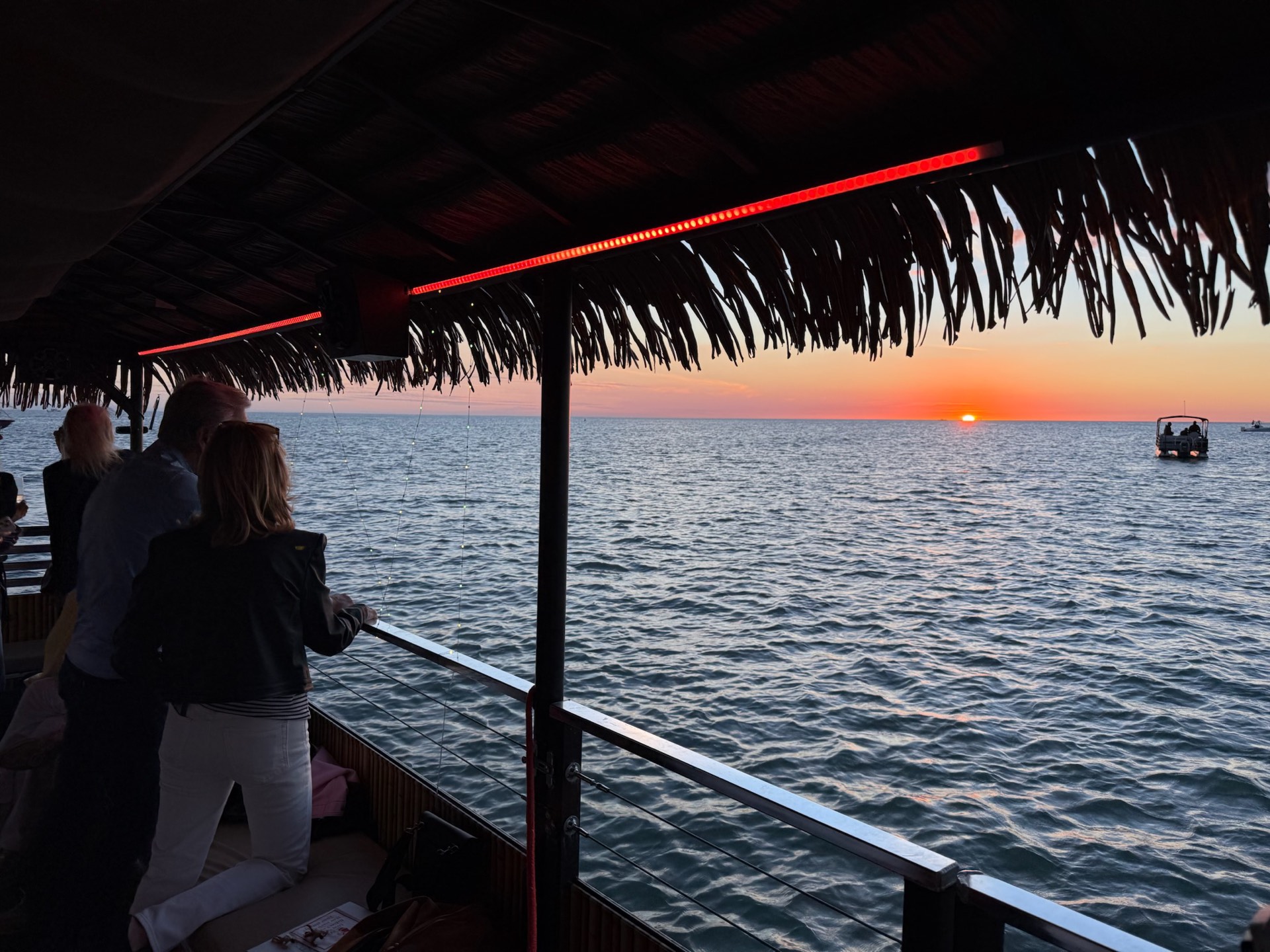
When the forecast is wrong, and it sometimes is, the itinerary bends rather than breaks. A sunset run planned for open water gets pulled into a protected bay if the wind builds more than expected by late afternoon. A shelling stop planned for a falling tide gets swapped for a wildlife-watching stretch if the tide is running slower than the tables predicted that day. We would rather adjust the plan in real time than force a printed schedule onto water that has its own ideas that morning.
None of these itineraries are fixed scripts, and we tell guests that honestly rather than overselling a guaranteed sequence of stops. What stays constant is the reasoning behind them: read the tide and the wind first, build the day around what they are actually doing, and hold the plan loosely enough to adjust. Pair this page with our destinations guide for the specific islands and passes involved, or book a sunset cruise once you know which season’s rhythm you are planning around.