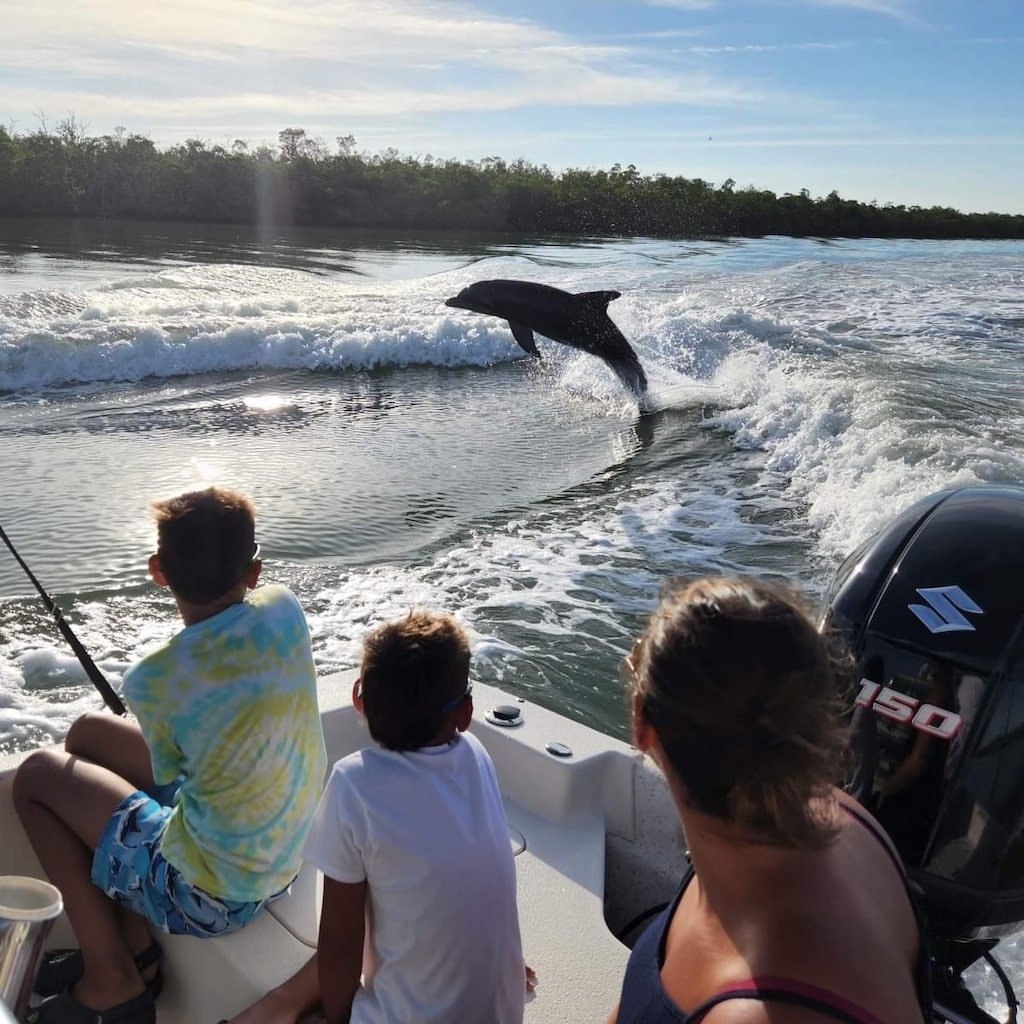
Guests booking from our Naples marina often ask why we don’t just walk out to the beach behind the hotel, and the honest answer is that stretch gets picked over by mid-morning most days. Instead we run down Naples Bay and cross the bar at Gordon Pass, timing that crossing for half-tide whenever we can and watching for the moment the standing waves lay down, since a full-ebb crossing there makes for a rougher ride than we’d ever put a family through just to save a short drive. The trade-off is ten extra minutes by boat for a beach that’s still holding shells.
Once we’re through the pass, we don’t always head straight for Keewaydin’s open Gulf side. On plenty of mornings, especially when the wind’s got any east in it, we’ll duck into the back creek on the bay side of the island instead, where the water lies flat and the shelling runs slower but steadier. It’s a quieter kind of hunting, more wading than walking, and it keeps young kids and older guests alike out of any real chop.
The mud along that back creek edge holds onto shells a little longer than open sand does, so we carry a rake-style scoop aboard for guests who’d rather dig than just scan the surface by eye. It’s not for everyone — some guests would rather stay dry and look — but the ones who try it usually turn up something the surface-walkers miss entirely, buried just under a thin skim of grey mud near the mangrove roots.
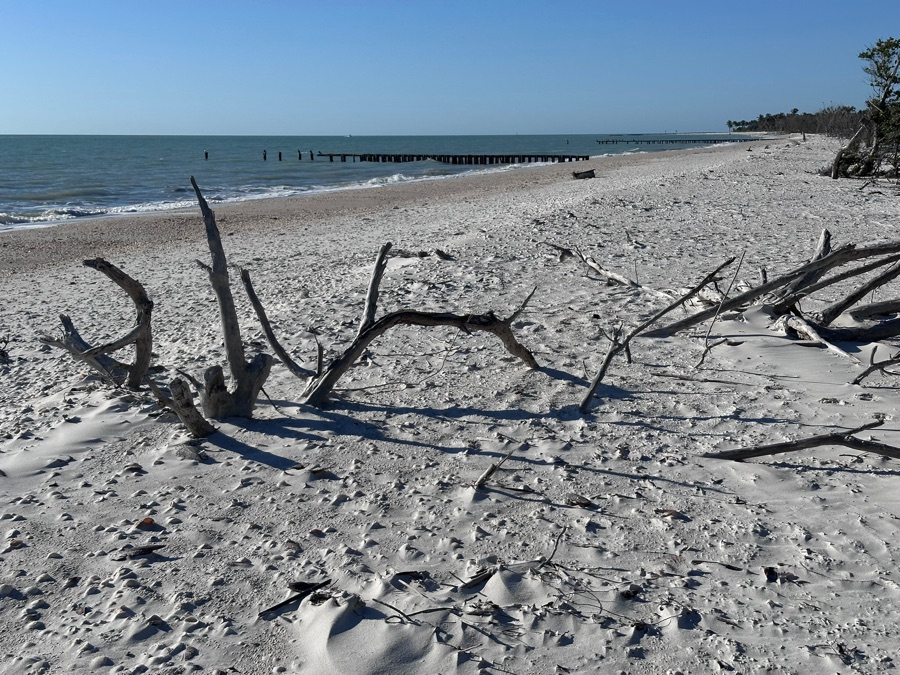
If the tide’s dropped further than we’d like by the time we reach the creek, we’ll push on to the open beach instead and work the swash line, since a creek gone too shallow just means more mud and less water to wade in. Making that call correctly before we commit to one route over the other is most of what separates a good morning here from a slow one.
We check the tide chart the night before every Naples departure, since a half-tide crossing at Gordon Pass shifts by the better part of an hour through the month, and guessing wrong by even twenty minutes can turn a smooth bar crossing into a rougher one. That extra look the evening before is a small habit, but it’s often the difference between an easy ride out and one nobody aboard asked for.
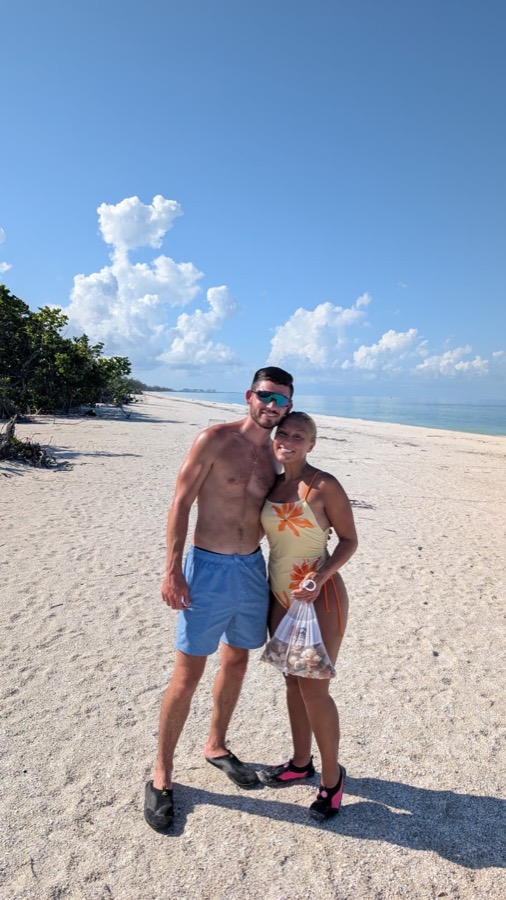
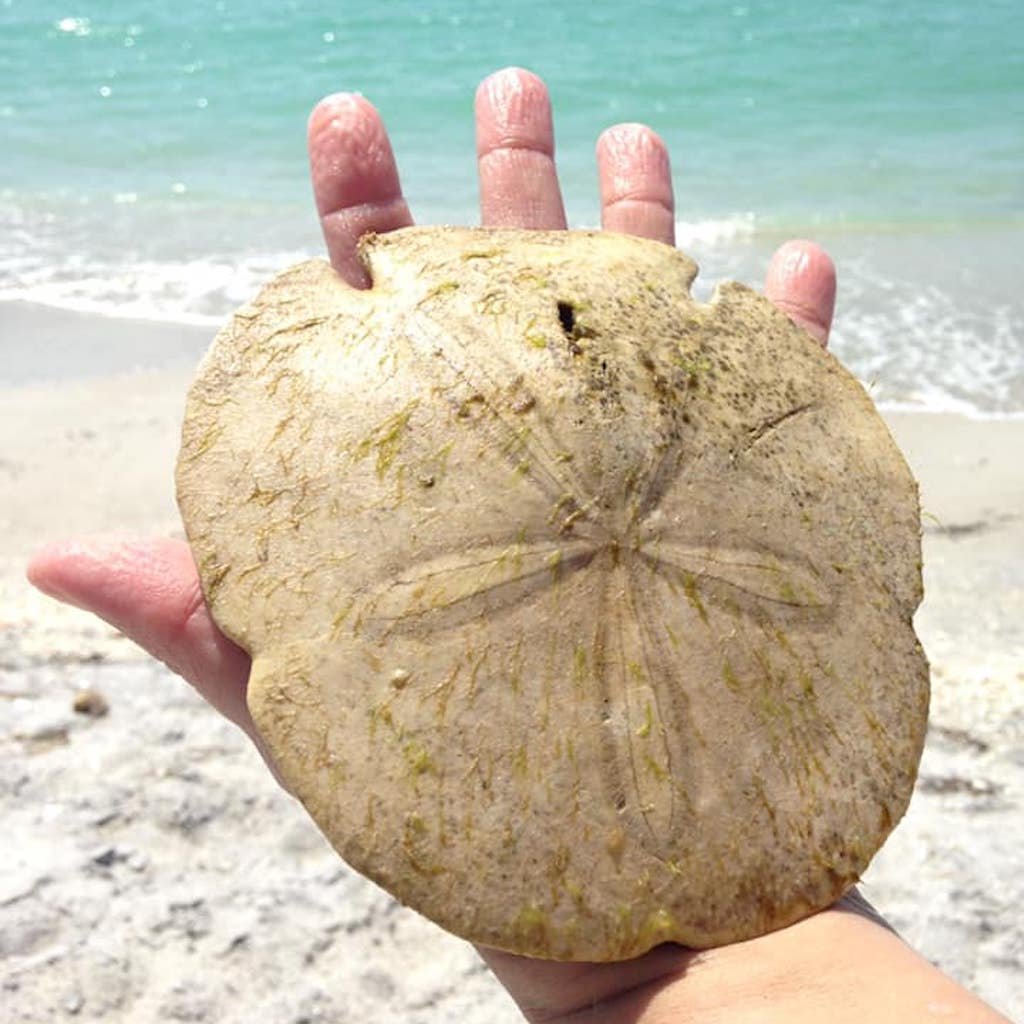
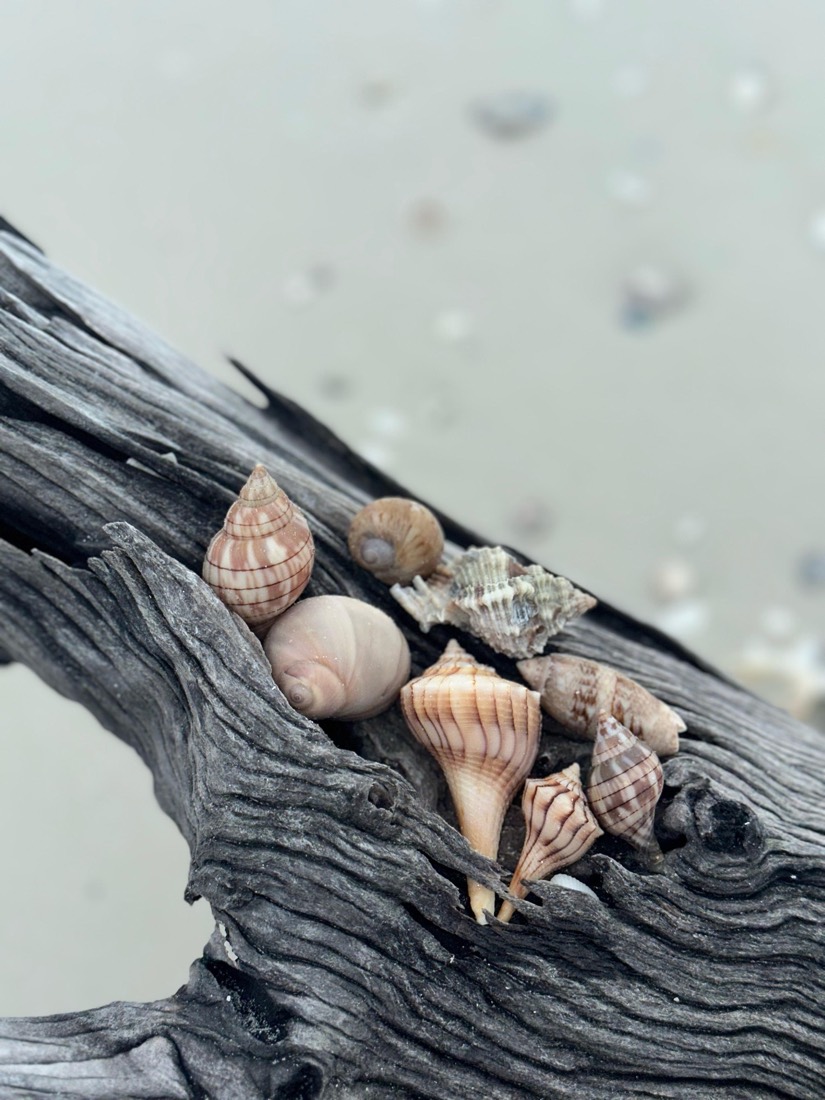
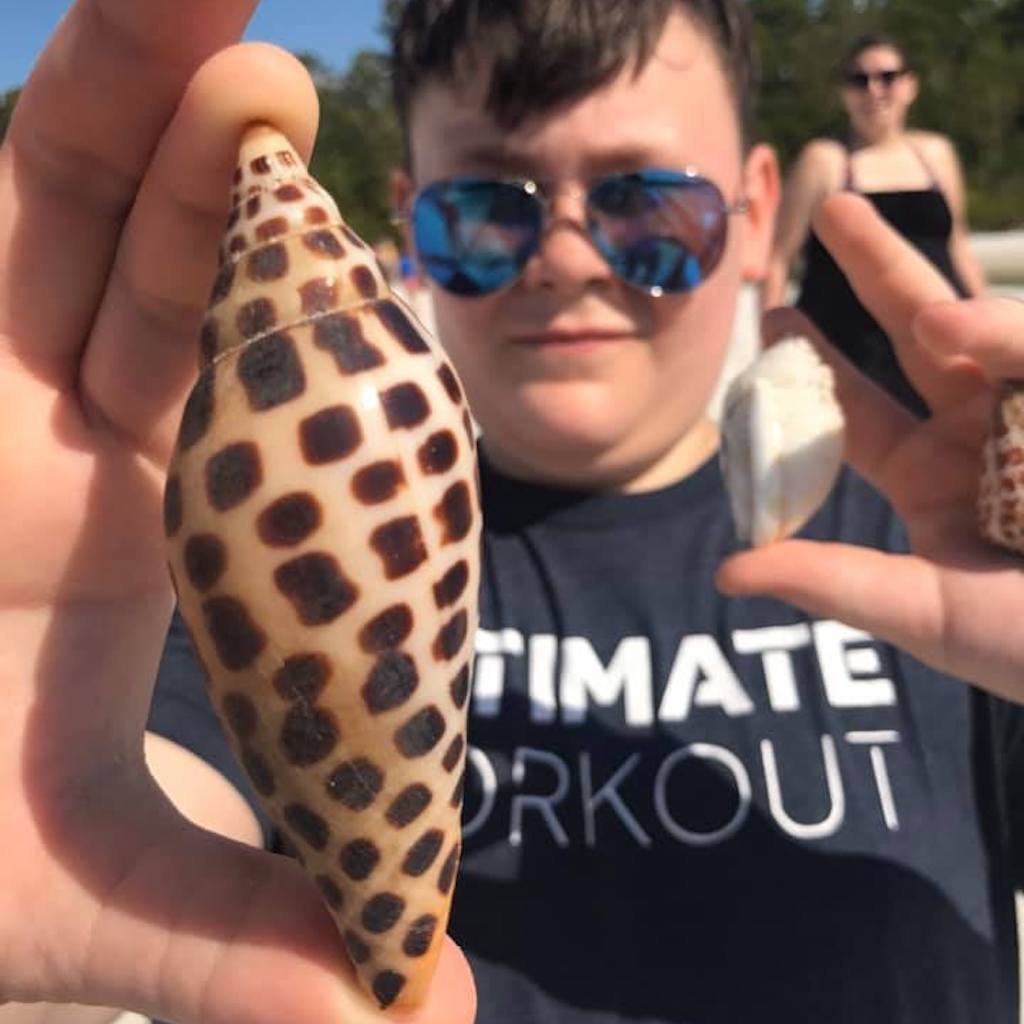
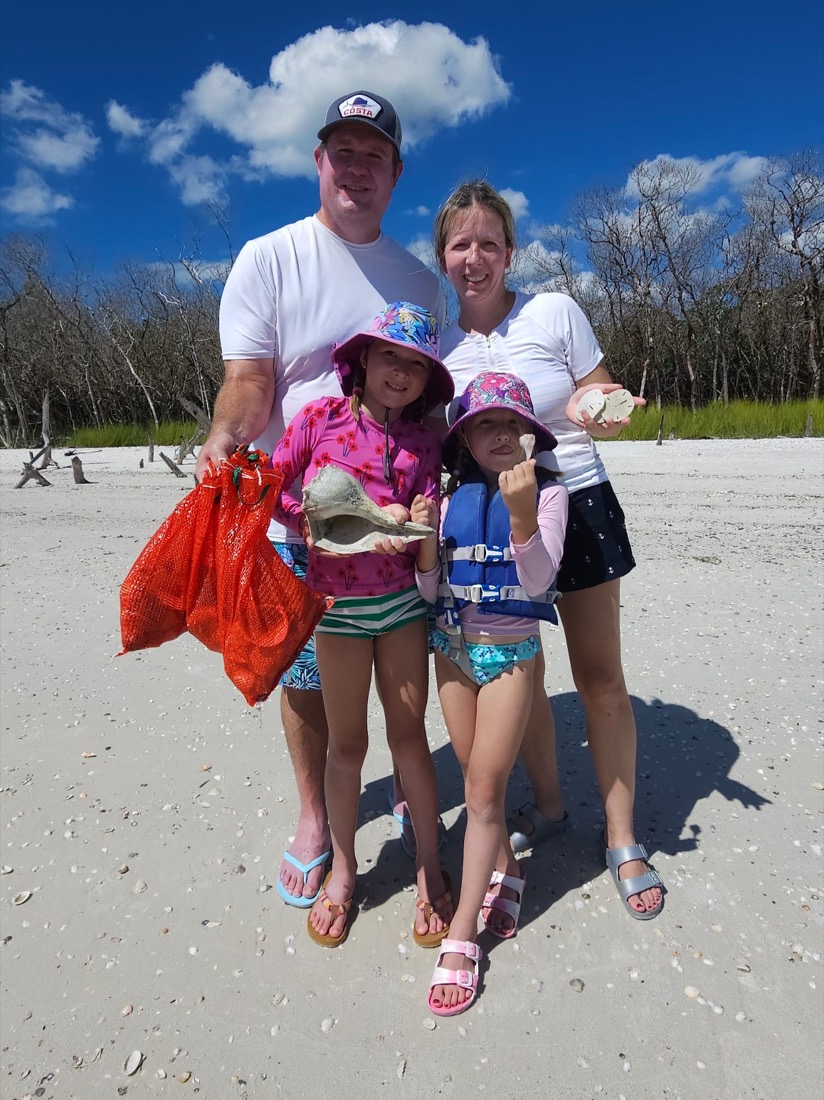
Either route ends with the same rule at the rail — empty shells only, every time, no exceptions for anything Collier County protects, sand dollars and starfish included. If your schedule’s flexible enough to chase whichever route the tide favors that day, a private shelling charter lets your captain make that call without a fixed itinerary to work around, and our shell guide can help you know what you’re hoping to spot before you ever step off the boat.