
🐬 At a glance
- Water temp
- Coldest band of the year — typically low-to-mid 60s
- Manatee odds
- Highest of any month; look near Rookery Bay & back-bay canal mouths below ~68°F
- Sea state
- Choppy the day of a front, often mirror-calm the morning after
- Tide script
- Winter runs on morning negative low tides
- Dolphins
- Year-round Gulf residents working pass mouths & channel edges for bait
- What to wear
- Layers — light jacket at the dock, sun by mid-morning
How Cold Is the Gulf in February?
February hands you the coldest water of the entire year on the Ten Thousand Islands — the Gulf and back-bay passes typically sit in the low-to-mid 60s, sometimes colder for a day or two behind a sharp cold front. That’s too chilly for most people to want to swim, but it’s exactly the window that makes February one of the sharpest months to book a dolphin tour. Cold water runs clearer than the tannic, current-stirred water of summer, and with less boat traffic and fewer weekend anglers working the same passes, our captains get longer, cleaner looks at pods working the edges instead of guessing where they’ve gone. You won’t need to squint through a green summer chop to find a dorsal fin — in February the water practically hands it to you. You’ll also notice fewer boats stacked up in the passes, since snowbird season doesn’t fully peak until March, which means calmer wakes and more room for a pod to work a bait ball without getting bumped off it by traffic.
Where Dolphins Work in February
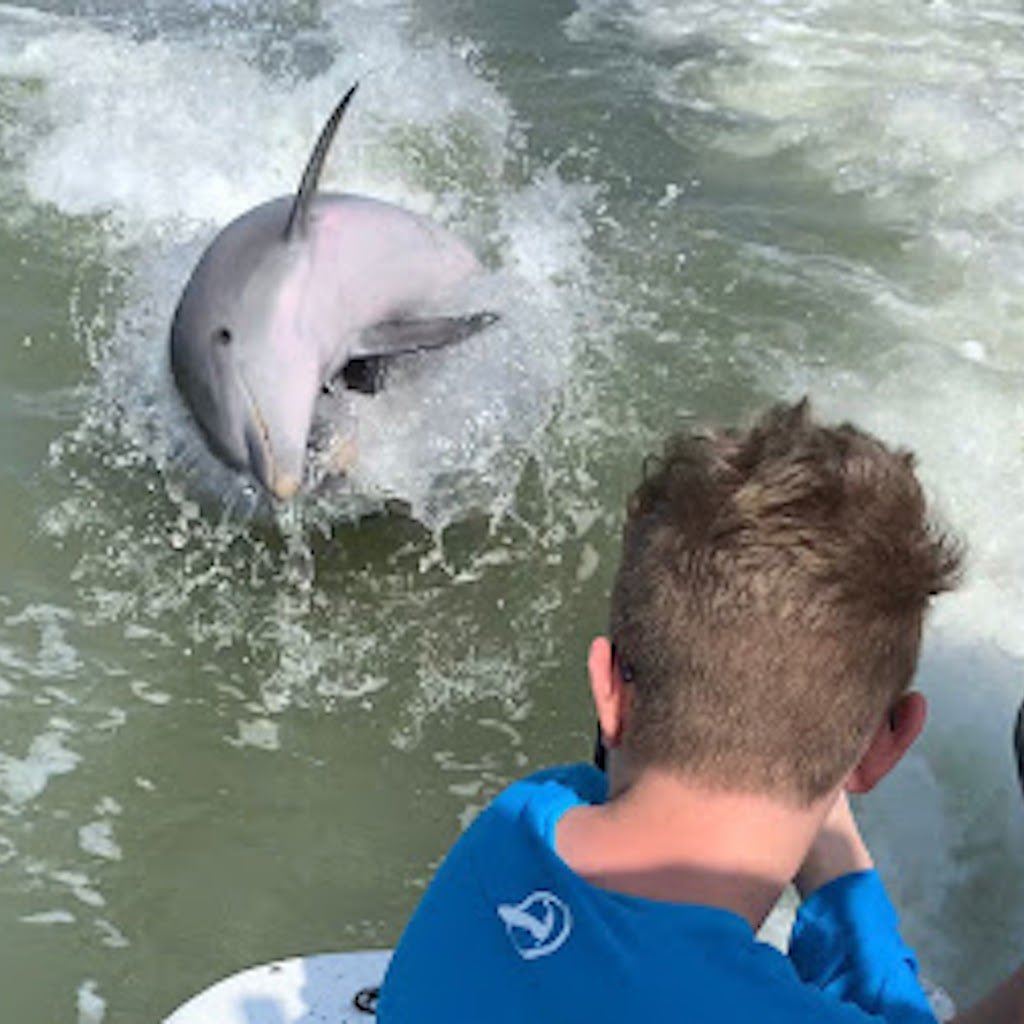
Bottlenose dolphins live in these waters year-round, so you’re never chasing a migration — you’re reading behavior instead. In February, cooling water pushes baitfish tight against structure, and dolphins follow. Our captains look first at channel edges and pass mouths, places like Gordon Pass and the cuts around Cape Romano, where moving water funnels bait past a chokepoint and dolphins can work it without burning energy chasing open water. A falling tide through one of those passes is often the single best fifteen minutes of a February trip, with dolphins herding bait against the current instead of cruising open Gulf. It’s not a guarantee — no sighting ever is — but February’s calmer, clearer conditions put more of that behavior in plain view than any other season. For a deeper look at what else shares these waters this time of year, our wildlife guide covers Ten Thousand Islands species season by season.
Your Best Manatee Odds of the Year
Manatees start seeking out warmer pockets of water once the Gulf drops below roughly 68 degrees, and February usually sits deep in that range for most of the month. Unlike the crowded, spring-fed herds you’ll hear about further north, our manatees stay dispersed — a few here, a few there — working the warmer water near Rookery Bay and the back-bay canal mouths rather than stacking up in one obvious spot. That makes February the single most reliable month of the year to pair a dolphin sighting with a manatee sighting on the same trip, which is exactly why our manatee-season dolphin tours run this time of year. As always, no sighting of any wild animal is ever guaranteed, but the overlap window is real, and our captains know where the warm-water pockets tend to hold. Because they’re air-breathing mammals, patience pays off — watch for a snout breaking the surface for a slow breath rather than expecting a splash, and give them plenty of space if you do spot one near the boat.
Reading the Post-Front Calm
February is cold-front season in Southwest Florida, and that shapes your whole trip more than the calendar date does. A front usually rolls through every week to ten days, and the day it arrives can bring wind, chop and a hard shift to the north — not the day to book if you want smooth water. But the morning after is a different story: winds lay down, the sky clears out behind the front, and the bay can go mirror flat by mid-morning. That glassy water is when spotting a fin or a manatee snout gets easy, and it’s also when the light is best for photos. If you’re flexible on dates, check our February boat-tour weather guide before you book and aim for that first calm morning after a front — it’s the single best trick for a great February trip on the water. Southwest Florida’s winter fronts move through fast, usually gone within 24 to 36 hours, so a two- or three-day trip almost always includes at least one glassy morning somewhere in the mix.
| Month | Water temp band | Manatee odds | Typical seas | Tide script |
|---|---|---|---|---|
| January | Coldest of the year, often upper 50s–low 60s | High | Choppier; fronts come through often | Morning negative lows |
| February | Low-to-mid 60s | Highest of any month | Choppy day-of a front, glassy the morning after | Morning negative lows |
| March | Warming into the mid-to-upper 60s | Still high, tapering late-month | Increasingly stable | Beginning to shift toward evening lows |
Why Mornings Win in February
Winter in the Ten Thousand Islands runs on a different tide script than summer, and it matters for timing your trip. From roughly November through March, the lowest tides of the day fall in the morning, which means moving water — and the bait and predators that follow it — is most active early rather than at dusk. Pair that with February’s typically lighter winds before the afternoon sea breeze fills in, and a morning departure gives you the calmest ride and the most active water in the same window. It’s a different rhythm than a July trip, where the negative lows shift to evening. Our Seasonal Guide breaks down how that tide script changes tour by tour and month by month if you’re planning more than one outing on your trip. That morning-heavy tide script also means the water’s moving hardest right when the light is best for photos — low winter sun raking across the bay instead of glaring straight down like it does in summer.
What to Wear on a February Trip
Air temps in February typically run mild — comfortable by mid-morning — but wind over open water drops the effective temperature fast, especially early or if you’re headed out toward the Gulf side. Layers are the move: a light jacket or windbreaker over a t-shirt, long pants or leggings, and closed-toe shoes if you run cold. The sun is still plenty strong even in winter, so sunscreen and sunglasses earn their spot in the bag regardless of the air temperature on the dock. If that post-front calm morning turns out mild and clear, it’s also worth checking our sunset cruises for the evening — the same stable winter air mass that makes for a smooth morning wildlife run often delivers a clean, colorful sunset later the same day. Dress for a cool start and a warm afternoon, and you’ll be comfortable through the whole trip. Bring a dry bag or zip-top bag for your phone too — February spray off the bow can still catch you off guard even on a calm day.