
🎣 At a glance
- Best all-around
- Live whitebait (scaled sardines / “pilchards”)
- Most reliable
- Live shrimp — catches nearly everything that swims
- Big-fish baits
- Pinfish & threadfins for trophy snook, reds & tarpon
- Where we get it
- Cast-netted fresh over the grass flats and passes that morning
- Licensing
- Our charter license covers every guest — you bring nothing
The bait, ranked for our water
Start with live whitebait — the local catch-all name for scaled sardines and Spanish sardines, the silvery little baitfish we cast-net over the flats. Chum a few free ones into the current and snook, trout and jacks light up the water. It's the bait we lean on hardest from late spring through fall. Next is the humble live shrimp: it never goes out of style, works cold or warm, and is the one bait that gets bites when nothing else will.
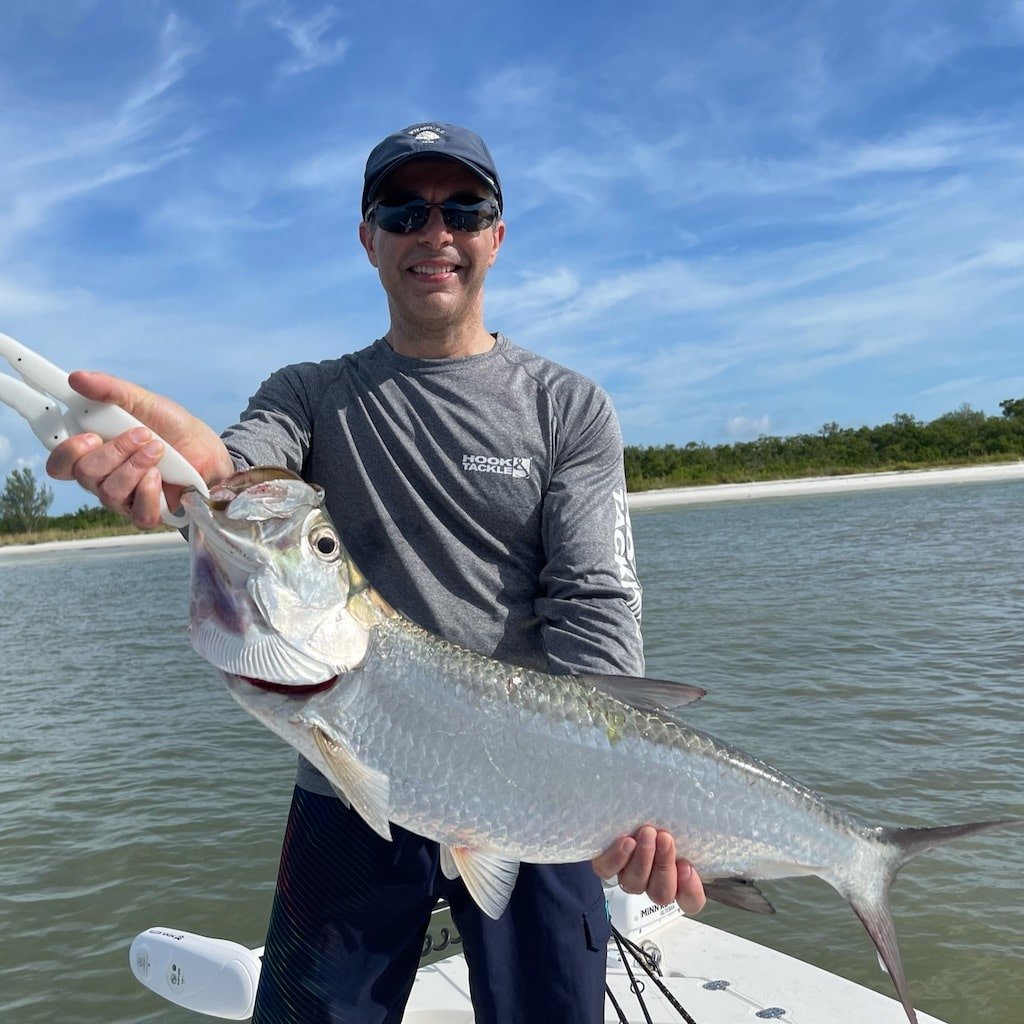
Pinfish are the tough-guy option — hardy, lively, and exactly the meal a big snook or bull redfish wants. Threadfin herring are bigger and oilier, perfect when we're hunting tarpon or larger nearshore fish. We sort all of this on the boat, so you just fish.
Bait by target fish
Matching bait to species is where local know-how pays off. Snook are ambush feeders that crush a frantic whitebait or a fat pinfish drifted past a mangrove point. Redfish nose along the bottom and happily take a live shrimp, a cut chunk, or a pinfish. Spotted seatrout love a shrimp under a popping cork bounced across the grass. Here's the cheat sheet our captains carry in their heads.
| Target | Top bait | Why |
|---|---|---|
| Snook | Live whitebait or pinfish | Ambush feeder; wants a lively, panicked bait |
| Redfish | Live/cut shrimp, pinfish | Bottom-rooting nose; takes scent and movement |
| Seatrout | Live shrimp under a cork | Suspended bait over grass triggers strikes |
| Sheepshead | Shrimp on structure | Nibbler with human-like teeth; needs a small hook |
Live vs. cut bait
Live bait wins most days inshore because our gamefish hunt by movement — a wiggling sardine looks like an easy meal drifting helplessly past the mangroves. That's why live whitebait, shrimp and pinfish top every list. But don't write off cut bait: a chunk of fresh mullet or ladyfish soaks out scent on the bottom and is deadly on redfish, black drum and the sharks that prowl the passes. We often run both at once — live baits on the flats, a cut-bait rod soaking nearby for whatever cruises through. Want to see it all come together? Our inshore fishing charters run the Ten Thousand Islands where the bait and the bite both live.
From the Helm: Reading the bait pods at the Capri Pass tide line before we ever rig a hook
Before a hook gets tied on, we’re standing at the bow with a castnet, watching the tide line at Capri Pass for the nervous flicker of whitebait pushed tight against the current seam. That five minutes of watching matters more than anything in the tackle box, because the bait we load into the livewell that morning decides more about the day’s fishing than the rod, the leader, or the spot we run to next.
Water temperature changes which bait we chase first. On a warm morning with whitebait schooled up and easy to net, we’ll fill the livewell before we ever leave the pass and fish live sardines all day. On a cooler morning when the whitebait have scattered or gone deep, we shift straight to shrimp, because it stays lively in cold water and kids aboard can bait a hook with it themselves without flinching at a wriggling baitfish.
If the castnet comes up empty at Capri Pass two or three throws in a row, we don’t keep working the same seam hoping the school reappears. We run to a second spot we know holds bait on a falling tide, usually a calmer pocket out of the current, and try there instead. Guests are sometimes surprised we’ll burn ten minutes just chasing bait before wetting a line for fish, but the livewell dictates the whole morning far more than the first cast does.
On a rare sunrise when the net just isn’t connecting at all along Capri Pass, we won’t burn the whole morning proving a point either. We’ll fall back on fresh-frozen bait or a quick stop for extra shrimp before we ever leave the dock area, because a charter that spends an hour chasing invisible bait serves nobody aboard. Most mornings it never comes to that, but knowing when to cut losses on live bait is as much a skill as throwing the net well in the first place.
Handled right, a scaled sardine stays lively for hours — you can feel it kick against your palm when you hook it through the nose, and that liveliness is exactly what triggers a reaction strike a dead bait won’t get. Pinfish feel different in the hand, stiffer and spinier, and get hooked through the back instead so they can still swim naturally under a float near a mangrove point. We’ll show you the difference boat-side rather than just tell you about it.
Bait choice is one of those small decisions that quietly runs the whole trip, and it’s the first thing we sort out before working through the presentations covered on our artificial lures guide. Join us on a fishing charter and you’ll watch that whole process happen at the rail, livewell to hook, before we ever run to the first real spot.