
🎣 At a glance
- Backwater
- Mangrove creeks & oyster bars — snook, redfish, juvenile tarpon
- Inshore
- Open bays, passes & flats — trout, redfish, snook, sheepshead
- Nearshore
- Close Gulf wrecks & beaches — mackerel, cobia, sharks, tarpon
- Shelter
- Most protected backwater → most exposed nearshore
- Best for
- Kids & calm in the back; variety inshore; big pulls nearshore
Backwater: the mangrove maze
Backwater is the most sheltered, most scenic water we run — the twisting mangrove creeks, oyster bars and hidden bays of the Ten Thousand Islands south of Marco. It's skinny, protected and gorgeous, the kind of place where you ease the boat into a creek mouth and pitch a bait into the shade of the mangrove roots. The classic backwater fish are snook tucked under the branches, redfish rooting the oyster bars, and juvenile tarpon rolling in the deeper holes. Because it's so protected, the backwater stays fishable when the Gulf is rough, which makes it a favorite for families and first-timers. Our backwater mangrove trips live in this zone.
Inshore: the open bays and flats
Step out of the creeks into the broader bays, passes and grass flats and you're fishing inshore — the all-around middle ground and the bread and butter of Southwest Florida fishing. This is open water you can read: grass flats holding spotted seatrout, passes funneling redfish and snook on a moving tide, dock lights and oyster edges loaded with sheepshead. Inshore is where most folks chase the famous inshore slam — snook, redfish and trout in one trip. It's the most versatile zone and the easiest to mix up a day on.
Nearshore: the Gulf's close edge
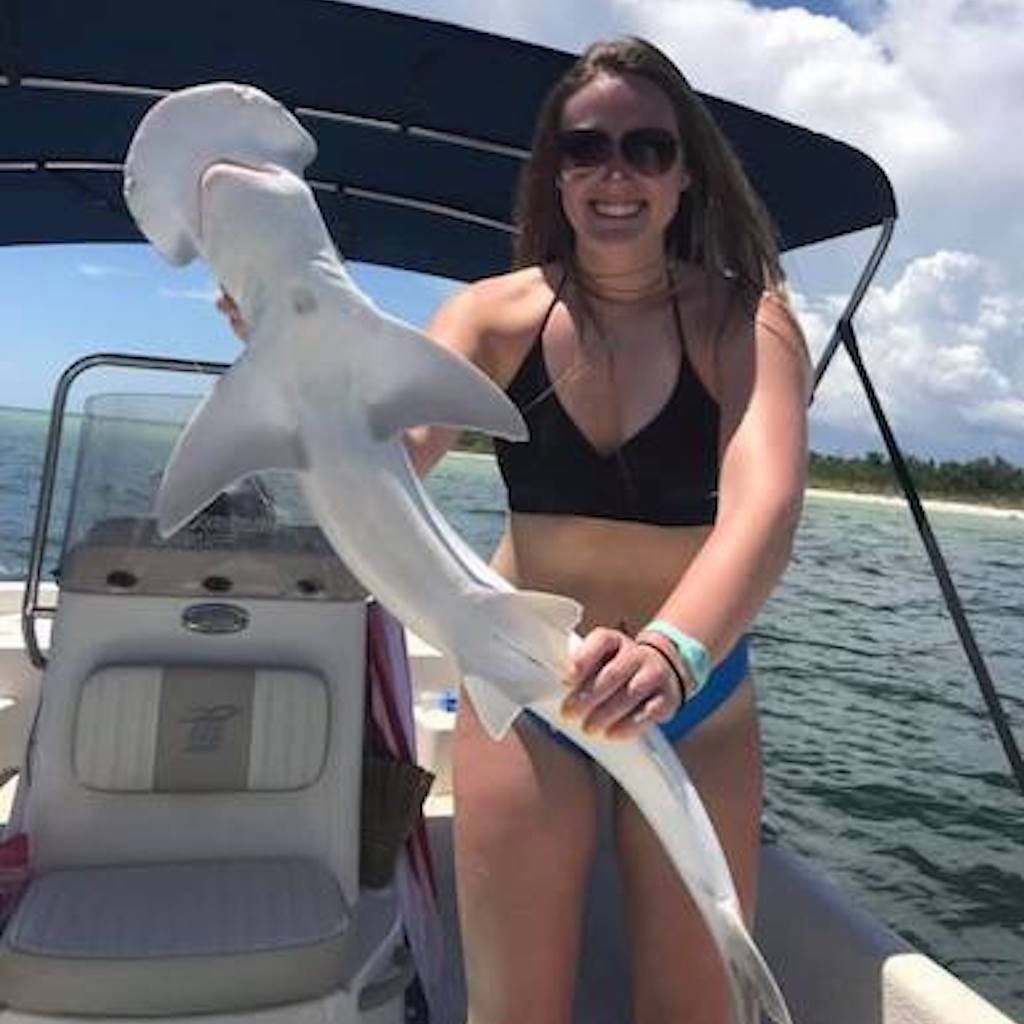
Nearshore is where we run out of the passes into the open Gulf, but stay close to the beach — over the nearshore wrecks, artificial reefs and the surf line itself. The water's bigger and the fish often are too: Spanish and king mackerel, cobia riding the surface, big sharks, and tarpon cruising the beaches in season. It's the most weather-dependent zone — we want a calmer Gulf to run it — but it delivers the longest runs and the heaviest pulls. Our nearshore wreck and reef trips cover this ground.
| Zone | Water | Typical catch | Best for |
|---|---|---|---|
| Backwater | Sheltered mangrove creeks | Snook, redfish, juvenile tarpon | Calm, scenery, kids |
| Inshore | Open bays & flats | Trout, redfish, snook, sheepshead | Variety, the slam |
| Nearshore | Close Gulf | Mackerel, cobia, sharks, tarpon | Big fish, hard pulls |
The honest truth is that a great captain reads the day — the wind, the tide, what's biting — and picks the zone that'll fish best. Tell us what you're after and we'll point the boat the right way on your Naples fishing charter.
From the Helm: picking backwater, inshore or nearshore off Marco by the day’s wind, not the calendar
Before we decide which of the three we’re running, our captains check one thing first: what the wind is doing, not what season it is. A flat-calm morning with light air opens every option on the board, but a stiff blow out of the southwest closes the open Gulf fast, and that single reading — not the tide chart — usually decides which direction the bow points that day. We make that call standing at the dock before the lines even come off the cleats.
On a windy morning we tuck into the back creeks behind Dismal Key or one of the quieter mangrove-lined cuts, where the trees themselves knock the wind down to almost nothing even while the open bay outside stands up in whitecaps. It’s not as visually dramatic as running to a wreck offshore, and the water stays stained and skinny, but the fishing there barely notices the weather, which matters more to most guests than the view ever does. We’ll idle creek to creek slower than usual on those mornings, since the fish tucked in there don’t need to be chased so much as found.
On a glassy morning with light air out of the southeast, that’s when we’ll run out past the pass to work a nearshore wreck or ledge, since a calm Gulf surface means an easy ride and steady structure fishing instead of bouncing on a chop that makes casting, let alone standing up, genuinely miserable. Those trips only happen when conditions actually cooperate that morning; we won’t push nearshore just because it’s the plan on paper. A guest who booked hoping for offshore structure fishing will hear that reasoning directly from us at the dock, not discover it an hour into a rough ride.
If we’ve already committed to nearshore and the wind builds faster than forecast — which happens more often than people expect on this coast — we don’t grind it out for the sake of the plan. Our captains will duck back inside the pass and finish the morning working the open flats, the middle ground between backwater and open Gulf, rather than fight a building sea for fishing that’s only going to get worse from there.
What surprises most guests is that the calmest-looking day on land can still be the wrong day for nearshore, and the choppiest-looking bay day can fish perfectly back in the mangroves. That judgment call happens before you even step onto the dock, and it’s why booking a fishing charter with real flexibility built into the plan usually beats locking in one specific water months ahead through an itinerary built around the calendar instead of the wind.
| Conditions | Where we head |
|---|---|
| Calm, light southeast air | Nearshore wrecks and ledges past the pass |
| Moderate breeze, choppy bay | Inshore flats and passes, working the lee |
| Strong wind, any direction | Backwater creeks behind Dismal Key |