
☀️ At a glance
- Day 1
- Shelling run + Ten Thousand Islands
- Day 2
- Dolphins, beach swim & sunset cruise
- Day 3
- Inshore fishing charter or a Goodland day
- Best months
- Nov–Apr for cool, dry weather
- Rule
- Empty shells only — Collier County
Day 1: shelling and the Ten Thousand Islands
Start big and wild. Day one is a run into the Ten Thousand Islands — the mangrove labyrinth that sprawls south of Marco, where the only footprints on a beach are the ones the last tide didn't erase. We time it to low water and put you on the unpicked shell beds: lightning whelks, fighting conchs, and on a lucky morning a horse conch, Florida's state shell. Our shelling tours reach beaches no car can, so you spend the day on sand that feels like it's yours alone. Keep everything empty — Collier County is empty-shells-only. You'll come back salty, sun-warmed and already hooked.
Day 2: dolphins, a beach swim and a sunset cruise
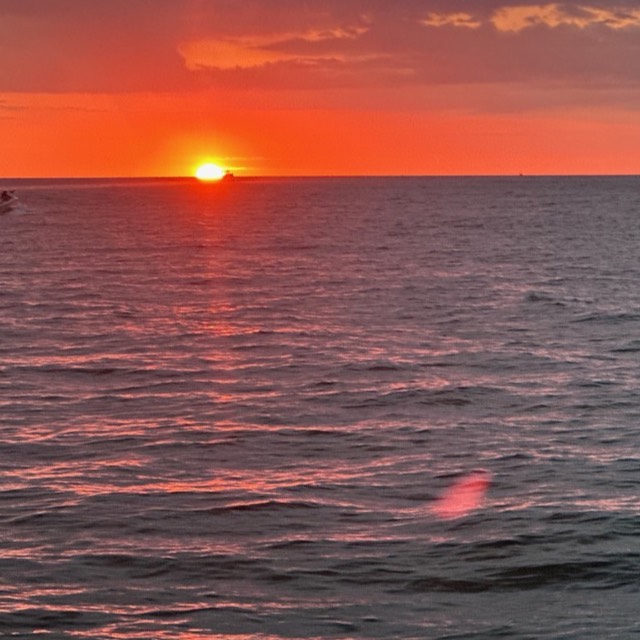
Day two is the variety day. Head out on a Marco Island dolphin tour in the morning, when bottlenose dolphins often surf the bow wake and roll through the passes — they live in these waters year-round, so sightings are common in any season. Anchor on a sandbar for a midday swim in the warm shallows, then dry off and let the afternoon coast. As the light softens, finish with a sunset cruise out into the open Gulf. Three of the best things Marco offers, all in one day, with a nap-on-the-bow break built right in the middle.
Day 3: your pick — fishing or a slow Goodland day
Save day three for whatever your group loves most. If anyone's itching to bend a rod, book an inshore fishing charter — the backwaters and passes hold snook, redfish and trout, and a licensed charter's vessel license covers everyone aboard, so no one needs their own. Rather slow it all the way down? Spend the day in Goodland, the old fishing village where lunch is fresh, the pace is gone-fishing, and the Ten Thousand Islands start right past the docks. Either way, you close out three days having seen Marco from the water in every mood it owns.
| Day | On the water | The vibe |
|---|---|---|
| Day 1 | Shelling + Ten Thousand Islands | Wild & remote |
| Day 2 | Dolphins, sandbar swim, sunset | Variety & fun |
| Day 3 | Fishing charter or Goodland | Your pick |
From the Helm: Marco Island in Three Days: What We Lock to the Tide, What We Leave to the Wind
When we build a three-day run for you, the calendar doesn’t set the order — the tide table does. We lock day one to the tide first, because a shelling morning lives and dies by how far the water has pulled back off the bars, and everything else bends around it. If the best low falls at seven, we’re leaving the dock in the dark, not after a leisurely breakfast. Guests who ask to swap day one and day two are usually surprised to hear the order isn’t ours to shuffle for convenience — the Gulf sets that meeting first, and we just show up on time.
Our usual day-one run threads out through Coon Key Pass while the water’s still falling, aiming to reach the exposed bars before the tide turns and starts covering them back up. That window is narrow — maybe ninety minutes of good bar before it’s swallowed again — so we’d rather idle out early and wait on the water than launch late and watch the best ground disappear under your feet. It’s also why we keep the shelling tour stop first on the list instead of last; nobody wants day one’s highlight to be a boat ramp at slack tide.
Day two loosens up, because dolphins and a beach swim don’t care much about tide stage — what we watch instead is the afternoon sea-breeze buildup. Most mornings run flat and glassy, so we’d rather find dolphins early and save the swim stop for the building heat, then let the sunset close things out once that breeze has usually laid back down. If a line of thunderheads is stacking over the mainland by early afternoon, we’ll flip the order and get the swim in first — nobody wants to be anchored off a sandbar watching lightning stack up behind Marco.
Day three is the one we genuinely leave until morning. If the wind’s sitting light out of the southeast, we’ll point you toward open-water fishing, working bait and structure the same way we would with our own family aboard. Swing hard out of the southwest, though, and that same water turns lumpy and uncomfortable fast — so we’ll pull the plan back into Goodland’s calmer back bay instead, trading distance for comfort. Either version earns you a genuine fishing day; which one you get depends entirely on which way the flag’s pointing that morning.
If it were our own crew making this trip, we’d build it exactly this way: tide first, weather second, wish list last. We’ve watched trips unravel when a guest insists on running the sunset before the shelling stop just to sleep in, only to hit a bar that’s already three-quarters covered by the time they step off. Three days is enough water to see genuinely different sides of this coast — the shallow grass flats, the open Gulf, the quiet mangrove edges — but only if you let the tide and the wind write the schedule instead of the clock.