
🗺️ At a glance
- What it is
- Large open bay fronting Cape Romano & the Ten Thousand Islands
- Where
- South of Marco Island, at the edge of the outer keys
- Role
- A crossing route & gateway to the outer islands
- Known for
- Tarpon (catch-and-release) & dolphin water
- Tip
- Cross on calm conditions — it’s open water
Where Gullivan Bay sits
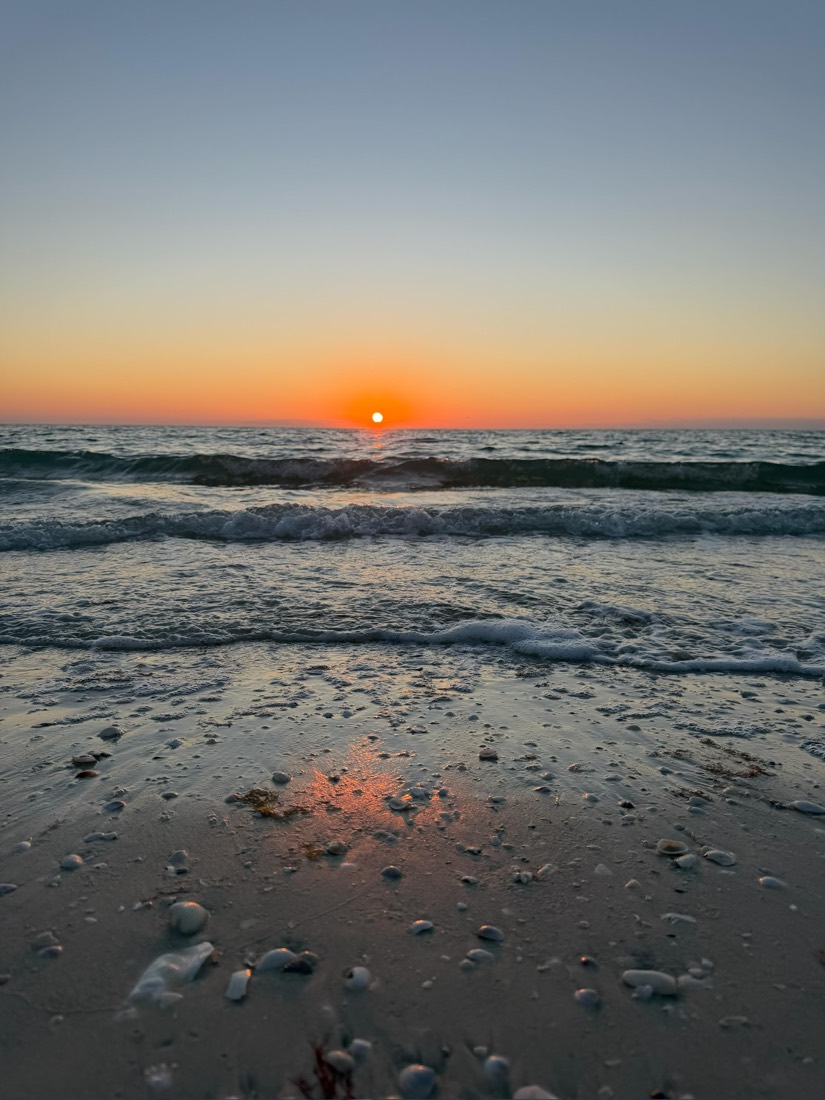
Run south out of Marco and the islands tighten into a maze of mangrove channels — and then, all at once, they let go. That open expanse fronting Cape Romano is Gullivan Bay. It’s the wide shoulder of the Ten Thousand Islands where the inner bays meet the bigger water, and it’s the spot where most people first really feel how remote they’ve gotten. On the right day it’s glassy and blue from edge to edge; on a windy one it stacks up a chop, which is why our captains pick the conditions before crossing.
From out here you can see the broad Cape Romano shoals and, offshore, the half-submerged ruins of the old dome houses — toppled by Hurricane Ian in 2022 and now eerie shapes in the surf rather than the standing curiosities they once were.
The crossing to the outer keys
Gullivan Bay is a doorway. To reach the wild outer islands — the boat-only beaches and the remote keys like Panther Key — you cross this open water to get there. That’s a big part of why those outer beaches stay so quiet: the bay is the moat. The crossing itself is part of the adventure, with the horizon open and dolphins likely along the way. Our captains time it for a kind tide and calm wind, because open water deserves respect, and the payoff is a beach almost nobody else reaches.
| You’ll see | When | Note |
|---|---|---|
| Rolling tarpon | Warm months | Catch-and-release only |
| Bottlenose dolphins | Year-round | Often along the crossing |
| Open Gulf swell | Windy days | Why we pick calm conditions |
Tarpon & dolphin water
That open water isn’t just scenery — it’s alive. In the warm months, big tarpon roll across Gullivan Bay, those silver giants flashing as they gulp air at the surface. Hooking one is a fight you’ll talk about for years; locking eyes with one boatside is something else. Just know that around here tarpon are strictly catch-and-release, so the thrill is in the fight and the release, not the cooler. Year-round, bottlenose dolphins work the bay too, often falling in alongside the boat. Our fishing charters chase the tarpon roll out here, and the dolphin tours love the wide-open sightings.
Calm, blue and wild — Gullivan Bay is the kind of water that reminds you why you came to Southwest Florida. Let our captains pick the day and cross it with you on a tour out to the outer keys.
From the Helm: Gullivan Bay: picking the crossing line on a calm morning tide
Before we commit to crossing Gullivan Bay, our captains make one call first: do we run the open line today, or hug the inside edge instead? The bay is wide and shallow enough that even a moderate north wind stacks a short, close-together chop across open water that a following sea from behind can hide until you’re already committed. We’d rather add fifteen minutes tracing the shallower inside edge on a blustery day than push a loaded boat across the open middle with everyone aboard holding the rail the whole way.
The bay’s edges shift more than the middle does, and a shoal that sat two feet under last season can sit noticeably shallower this one after a busy storm cycle. We watch the water color change from open-bay blue-gray to a paler, sandier tint well before the depth sounder confirms it, and that’s the cue to ease off rather than trust a chart line that’s a season or two out of date on a bottom this restless.
From the helm, the far side of the bay is where Cape Romano’s dome ruins first come into view — half-submerged, tilted shapes on the horizon that Hurricane Ian toppled years ago, now more landmark than structure. We use them as a bearing point on the crossing long before guests can make out what they actually are, and there’s usually a moment at the rail where someone asks what those shapes are, well before we’re close enough to explain.
This open crossing is also where surface activity gives itself away before anything breaks the water — a nervous ripple in an otherwise flat stretch, or a couple of frigatebirds circling tighter than they were a minute earlier. We’ll ease back on the throttle at that signal alone, well before we can tell if it’s a tarpon roll or a push of bait with dolphins working underneath it, because slowing down early is what actually gets guests a clean look instead of a wake-scattered one.
We’ll also check the flag on a passing crab trap buoy or two on the way across, since a straight-out flutter tells us more about the actual wind at water level than anything the forecast said back at the dock, and it’s often the difference between holding our planned line and easing over to the inside edge halfway through the crossing.
Cross it right and Gullivan Bay is the gateway from the inner mangrove maze to the wildest, least-visited keys on this coast — water most of our fishing charters treat as a launch point rather than a destination on its own. Explore more of what’s out there through our destinations guide.