
🏝️ At a glance
- Top drive-up picks
- Bunche Beach, Bowditch Point, Lovers Key
- Best tide
- Low tide, especially after a winter cold front
- Gateway to
- Sanibel & Captiva, the shelling capital of the U.S.
- Boat-only upgrade
- The quiet barrier islands south of the pass
- Rule
- Empty shells only — live collection is banned in Lee County
The drive-up beaches that actually deliver
Start with Bunche Beach, the long mudflat-and-sand stretch on the way to Sanibel. When the tide drops out it exposes acres of flat that fill with cockles, scallops, whelks and the odd conch — bring water shoes because it's soft and shelly underfoot. Bowditch Point, at the north tip of Fort Myers Beach, catches what swings around Matanzas Pass, so you'll find clean bivalves and worn whelks where two currents argue with each other. Lovers Key, just south toward Bonita, is the prettiest of the three and reliably good after a blow. None of these are secret, so the rule is simple: get there at the bottom of the tide, before the crowd.
You're at the gateway to the best shelling in the country
Fort Myers' real shelling superpower is location. A short hop away sit Sanibel and Captiva — the east-west island that catches shells like a baseball mitt — and beyond them the wild, ferry-only islands of Cayo Costa and North Captiva. If you want a sense of how the whole coast ranks, our Southwest Florida shelling roundup lines them all up honestly. The pattern is the same everywhere: the harder a beach is to reach, the better it shells, because fewer hands have been through the wrack line ahead of you.
Why we run south to the boat-only islands
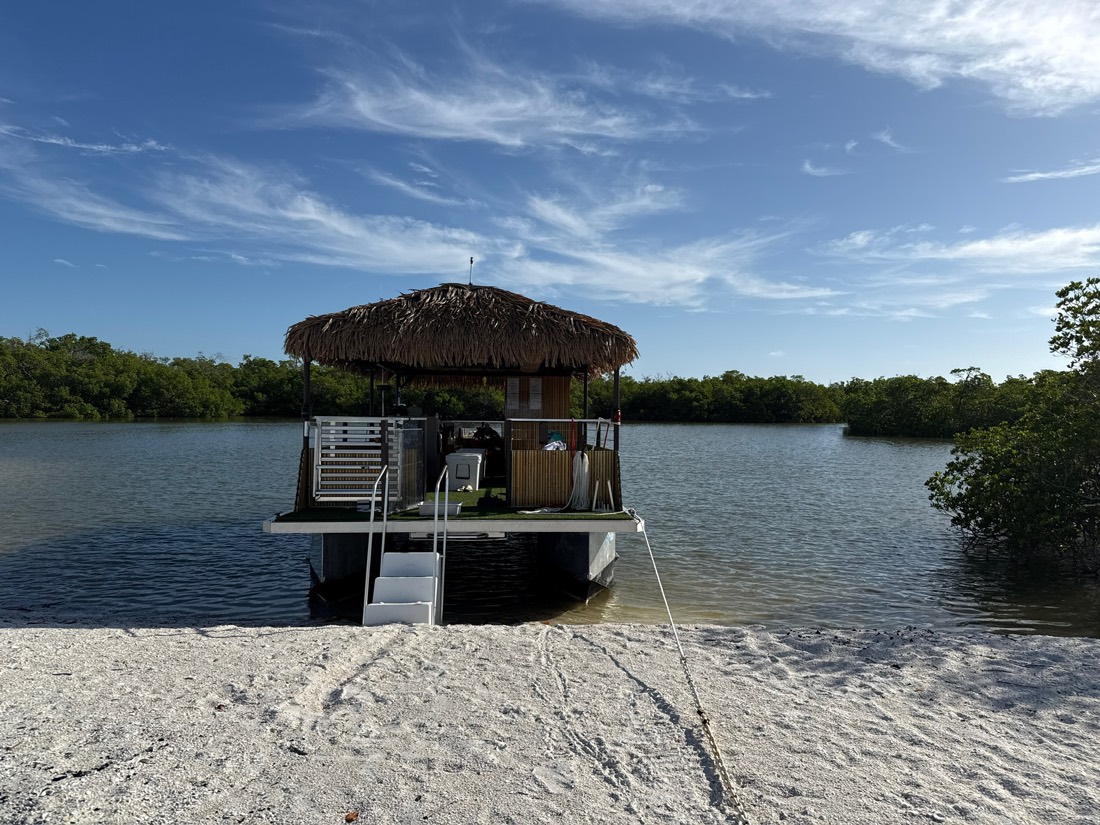
Our captains sail out of Marco Island and Goodland, just down the coast, and we'll let you in on the local trade secret: the islands you can only reach by boat — Keewaydin, Kice and the Ten Thousand Islands — never get walked clean. The tide restocks the sand twice a day and there's no parking lot to drain it. On a shelling tour we beach the boat where the wrack line is freshest, hand you a scoop, and you're hunting sand the morning crowd will never see. That's the difference between picking through leftovers and finding the first whole whelk of the day.
| Beach | Access | Best for |
|---|---|---|
| Bunche Beach | Drive-up | Cockles, scallops, low-tide flats |
| Bowditch Point | Drive-up | Bivalves, worn whelks at the pass |
| Lovers Key | Drive-up | Post-front variety, scenery |
| Sanibel | Drive-up (causeway) | Volume, the famous east-west catch |
| Keewaydin / Kice | Boat only | Whole, un-picked shells |
Keep it legal: empty shells only
Both Lee and Collier counties draw the line in the same place — you can take all the empty shells you want, but taking a live one is off the table. Flip every shell and check the opening: if anything's home, or it smells alive, or a hermit crab is renting it, set it back in the water. The same goes for live sand dollars and starfish. It's an easy habit and it's why these beaches still shell well year after year. For the full breakdown, see our guide on whether it's legal to take shells in Florida.
From the Helm: The crossing south through Capri Pass that gets Fort Myers guests to empty sand
Guests coming down from Fort Myers usually ask the same thing at the dock: how far is it really? Far enough that we watch the wind forecast the night before more than we would for a shorter run, because a crossing that’s a following sea on the way out can turn into a wet slog on the way back if the sea breeze fills in early. Calm mornings we run it in one push; on breezier days we build in a stop partway to let guests stretch and let us reread the water ahead before committing to the last open stretch.
We usually leave through Capri Pass rather than the wider pass to our north, because the markers sit closer together and it’s a shorter stretch of open water before we’re back in the lee of an island. From there it’s a straight shot south into water that doesn’t see a tenth of the foot traffic Bunche Beach or Bowditch Point does on a weekend, simply because almost nobody with a rental car can get to it.
On the handful of days the crossing itself turns sloppy before we’ve even reached the islands, our fallback is to shrink the whole trip closer to home, working the bars just inside Gordon Pass instead of pushing the full distance south — a shorter, calmer day that still beats a picked-over Fort Myers beach, even if it means less ground covered on softer sand.
We watch the sandbars themselves more than the clock: once their backs start showing on the ebb, we trim the boat up and idle the final stretch, because these bars build out further than people expect and the prop clearance gets thin fast. We’d rather crawl the last quarter mile than plant a lower unit in the sand with a boat full of guests aboard. That patience is most of the reason these islands still hold whole shells instead of the fragments a picked-over beach leaves behind.
A sun-bleached shell that’s baked on a crowded beach for a week goes chalky and light in the hand; something that washed up on one of these islands within the last tide cycle still has weight and a little shine to the surface. That difference is usually enough to sell a skeptical guest on the extra boat ride before we’ve even reached the beach.
If you’re staying up around Fort Myers for the week, it’s worth booking the longer run as one of our shelling tours rather than settling for the drive-up options closer to your hotel. Larger groups can also book the whole boat through private charters and set their own pace for the crossing and the walk.