
🏝️ At a glance
- Best for whole shells
- Gulf coast (calmer water, barrier islands)
- Best for sea glass
- Atlantic (rougher surf tumbles glass smooth)
- Gulf star spots
- Sanibel, Marco, Ten Thousand Islands
- Atlantic star spots
- Jupiter, Blowing Rocks, Amelia Island
- Rule
- Empty shells only in Collier, Lee & many state parks
Why the two coasts shell so differently
It comes down to water and geography. Florida's Gulf coast is sheltered — the wide continental shelf and a long chain of barrier islands knock the energy out of the waves long before they reach the sand. Shells drift ashore gently, so they arrive whole. The Atlantic side faces open ocean with a steeper drop-off and stronger surf, which is a shell-breaking machine: more pieces, fewer perfect specimens.
That same Atlantic roughness is exactly what makes it great for other treasures. Strong surf tumbles broken bottle glass into frosted sea glass and churns up fossilized shark teeth. So the coasts aren't better or worse — they're built for different hunts. If sea glass is your thing, our Florida sea glass guide is the place to start.
Where the Gulf coast wins: intact shells
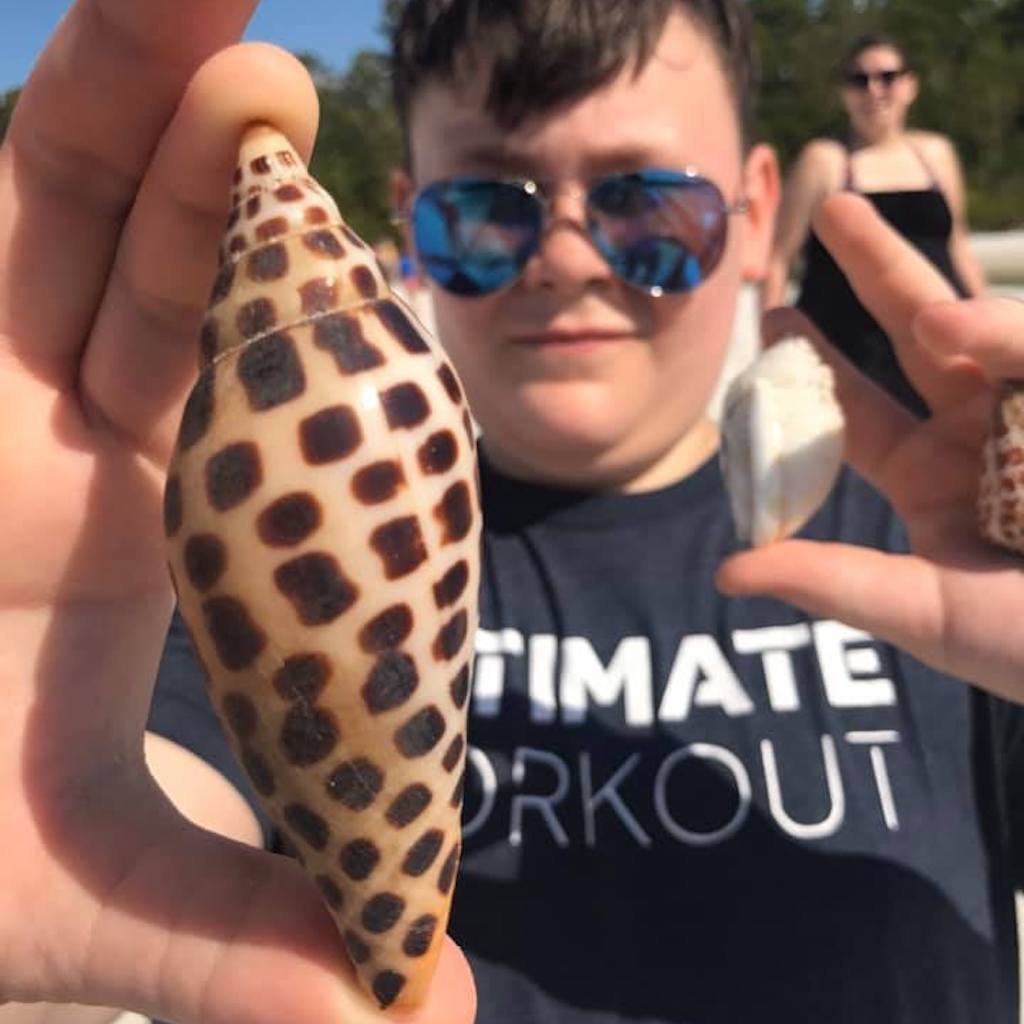
If your goal is a whole lightning whelk, a perfect fighting conch or a flawless olive, the Gulf coast is your coast. The calm water and the catcher's-mitt geometry of the barrier islands pile up intact shells along places like Sanibel, Marco and the wild Ten Thousand Islands. Sanibel's famous east-west scoop is the headline, but the boat-only islands off Marco are the quiet edge — the tide restocks them and almost nobody walks them. It's also where the legendary junonia turns up after a storm. Our shelling tours run right into that sweet spot.
| You're hunting… | Better coast | Why |
|---|---|---|
| Whole, intact shells | Gulf | Calm water + barrier islands = unbroken shells |
| Variety of species | Gulf | Sanibel alone documents 250+ species |
| Sea glass | Atlantic | Rougher surf tumbles glass frosty-smooth |
| Fossil shark teeth | Both (Gulf: Venice) | Atlantic surf + Gulf's Venice fossil beds |
| Big crowds avoided | Gulf (by boat) | Boat-only islands stay picked-over far less |
Where the Atlantic wins: sea glass & grit
We'd be lying if we said the east coast had nothing on us. Atlantic beaches like Jupiter, Blowing Rocks and Amelia Island serve up frosted sea glass that the gentle Gulf rarely produces, plus a wilder, surfier feel and good fossil-hunting in spots. If a road trip across the state is on your list, the best east-coast shelling beaches are worth the drive. Just set expectations: you'll find more broken shells and fewer flawless whelks. For collectors chasing intact specimens, the calm Gulf is home base — and the only place we run a boat. Wherever you hunt, keep it empty-only where the rules require it, and check our Florida shell-collecting rules first.
From the Helm: Why a west wind stacks the Gulf-side bars we run, and the Atlantic never gets that lull
Run the inside edge of Gullivan Bay on a morning after a west wind has been blowing for two or three days straight, and you can feel the difference the Gulf makes before you even reach the beach. The water stacks up against the barrier islands instead of draining hard the way a narrow Atlantic inlet does, and that slower, piled-up push is exactly what walks big, whole shells onto the sand instead of grinding them against a jetty or a steep shore break.
Our captains read wind direction before tide most mornings, because on the Gulf side it does more work than the moon does. A few days of west or southwest wind piles water and drift against islands like the ones we run to, while a hard north wind behind a front can strip a beach clean overnight and rebuild a completely different drift line by the next low tide. That whiplash is why we check the forecast the night before, not just the tide chart.
That difference shows up the moment a shell lands in your hand, too. A whole shell pulled fresh off one of our Gulf-side bars usually still has its spines and sheen intact, barely a chip on the lip, because it rode in on that slow-piling push instead of getting tumbled through a surf zone. Shells that survive a rougher Atlantic break tend to arrive already worn smooth, or snapped clean at the spire, which is a fair trade for the sea glass and shark teeth that break brings in instead.
We don’t run charters on the Atlantic side, so we won’t pretend to read its jetties and inlets the way we read Gullivan Bay and our own passes. What we track instead, season after season, is which of our own islands hold their drift line through a rough patch of weather and which ones wash down to bare sand and need weeks to rebuild — that working memory is worth more to us than any wind chart, and it’s built entirely from running this same stretch of coast on repeat.
That gentler energy changes how close we’ll idle to a bar, too. On a calm Gulf morning we can hold position a boat’s length off the sand, something we wouldn’t attempt against a steeper, higher-energy shoreline. Guests notice it at the rail before they notice it in their hands — the ride out feels almost lake-flat compared to what they expected from open ocean, right up until the wind turns and reminds everyone which Gulf they’re actually on.
If you want to feel that Gulf-side lull for yourself, our shelling tours run the same bars described here, and the destinations guide covers more of the islands that soft energy keeps building shell drifts onto.