
🏝️ At a glance
- Access
- Drive-up; paid lot, then a boardwalk + footbridge to the sand
- Crowd
- Quieter than Lighthouse Beach thanks to the walk in
- Best move
- Head west toward Blind Pass at low tide
- Best time
- Low tide, morning after a winter front
- Rule
- Empty shells only — Lee County, nothing live
The walk in (and why it matters)
Here's the trick to Bowman's: you have to want it a little. From the parking lot you cross a footbridge and follow a boardwalk through the mangroves before your toes ever hit sand. That five-minute walk is the whole secret — it filters out the flip-flop-and-cooler crowd and leaves the shells for people who came to look. By the time you reach the wrack line you've already left most of the foot traffic behind. Bring water shoes; the shell rubble near the water can be sharp on bare feet.
Where to find the best shells
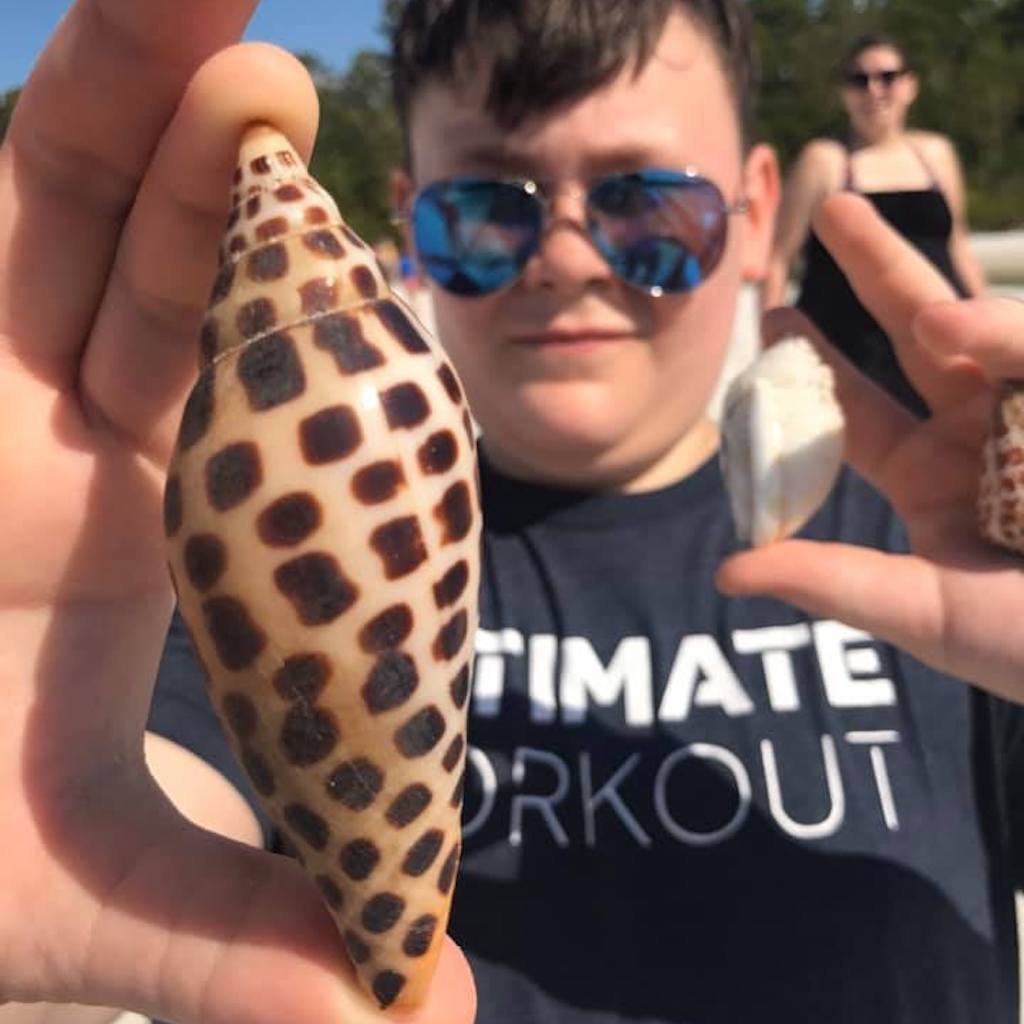
Don't just plop down at the boardwalk exit. Turn right and walk west, toward the Blind Pass end of the island. The closer you get to the pass, the stronger the currents that concentrate intact, less-picked-over shells. This is where folks turn up lightning whelks, horse conchs, lettered olives and — on a lucky storm-tossed morning — even the elusive junonia. Scan the troughs where the receding water leaves little shell piles, and check the freshest wrack line rather than the dried-out one higher up the beach.
Best tide & season
Timing makes or breaks a Bowman's trip. Aim for the bottom of a low tide, when the most beach is exposed and the shell bars are uncovered. For the season, winter wins — December through March brings the cold fronts that stir the Gulf and restock the beach overnight. The morning after a blow is golden. A windy, slightly messy day will out-shell a calm postcard day almost every time.
| Factor | Do this |
|---|---|
| Direction | Walk west toward Blind Pass |
| Tide | Hit the bottom of a low tide |
| Season | Winter, morning after a cold front |
| Footwear | Water shoes for shell rubble |
Empty shells only
Bowman's sits in Lee County, where the rule is simple and strict: empty shells only. No live shells, no live sand dollars, no live starfish. Flip any promising shell over — if you see a fleshy foot, an operculum door, or any sign of a tenant, it goes back in the water. The same goes for that perfect sand dollar; a living keyhole sand dollar is brown and fuzzy, while a keepable one is bleached bone-white. When in doubt, leave it.
Bowman's is a beauty, but it's a real drive from Marco and Naples, and the best shells still ride the same Gulf currents that feed our home islands. If you'd rather trade the boardwalk for a boat, our captains run guided shelling tours to Keewaydin and Kice — barrier islands you can only reach by water, where the shell lines haven't been picked over. Want to compare? Here's the honest Sanibel vs. Marco breakdown.
From the Helm: what Bowman’s teaches us about Keewaydin’s north tip in a west wind
Bowman’s rewards the walk west toward Blind Pass because that direction is where a west-facing point naturally traps material carried along the shoreline — the same accumulation mechanism we watch for on our own water, just without the boardwalk. On our side, that means deciding whether to run guests to the north tip of Keewaydin or hold back depending on what the wind’s done over the previous day or two, since that point only really loads up after a stretch of breeze out of the west or southwest.
When that wind has been blowing, material drifting along the beach face piles up right where the island bends, the same way sand and shells stack against any point that interrupts a longshore current. We’ll idle past first to eyeball the wrack line from the water before deciding whether it’s worth beaching there, since a calm week beforehand can leave that same tip almost bare while a beach further down the island is quietly holding more. We keep that pattern in mind for the next trip out too, since the same stretch tends to repeat itself from one wind event to the next, at least until a stronger front resets the whole beach.
Once we do commit to that stop, dead low is when the point’s full width is exposed, and we hand guests a mesh scoop rather than let them dig blind — a light sift through the top inch of sand at the point turns up more than eyes alone will, especially right where the wrack line sits thickest.
Guests often turn up a keyhole urchin at that same point — the local sand dollar, tested pale and dry once it’s long since empty. We’ll flip it over together to check for the telltale star pattern and the five slotted holes before it goes in anyone’s bag, since a live one still holds its color and a faint fuzz of spines, and that one goes straight back into the shallows instead.
The mistake we correct most out there is guests walking past the point itself to chase open, empty-looking sand further down, when the real concentration is almost always right in that narrow bend where the current actually loses energy. It’s a small thing, but it’s the difference between a bucket with a few good pieces and one that’s actually heavy by the time we call it a morning.
Whatever a west wind piles up at that tip, the same rule from Sanibel applies out here too — nothing alive comes off the beach with you, only what’s already empty. Come feel the difference between a boardwalk beach and a boat-only point on one of our shelling tours, and look up anything you bring back in our shell guide.