
🏝️ At a glance
- Access
- Drive-up + boardwalk through mangroves (or tram)
- Why it's good
- Walk-in thins the crowd; pass-mouth drift
- Water
- Calmer than open Gulf beaches
- Best haul
- Low tide after a winter cold front
- Rule
- Collier County — empty shells only
Getting there: through the mangroves
Clam Pass Park sits in north Naples between Vanderbilt Beach and the Naples Pier. You park, then travel a long boardwalk — on foot or by a free tram — through a tunnel of red and black mangroves to reach the Gulf. That walk-in is the magic: it filters out the casual curbside crowd, so the beach and its shell line stay fresher through the morning. The boardwalk itself is a wildlife show, with herons stalking the tidal creek and fiddler crabs working the mud.
The pass mouth, where Clam Bay meets the Gulf, is the spot — moving water there concentrates the drift. It's still a public beach, but it consistently out-shells its busier neighbors. For the genuinely untouched version, though, you need a boat, and that's what our shelling tours deliver, running to boat-only islands like Keewaydin.
What washes up at Clam Pass
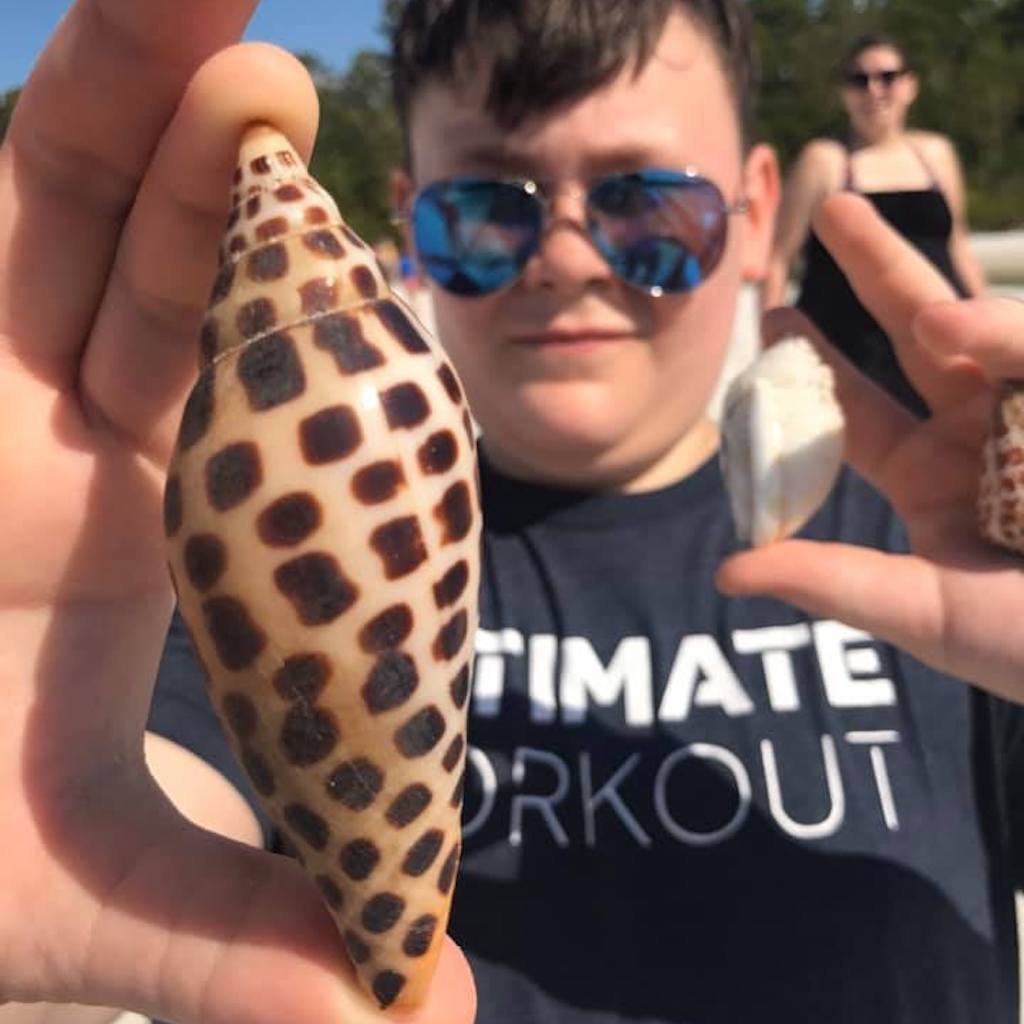
Work the pass mouth and the wrack line for the usual Naples cast: fighting conchs, lightning and knobbed whelks, lettered olives, scallops, cockles and coquinas. Because the pass channels current, you'll often find better numbers and the occasional bigger shell here than on the flat open beaches. After a front, the deeper-water surprises ride in — the kind of day a whole lightning whelk turns up.
| Factor | Clam Pass | Curbside Naples beach |
|---|---|---|
| Access | Boardwalk/tram walk-in | Park right on the sand |
| Crowd | Thinner | Heavy |
| Drift | Pass-mouth current concentrates shells | Flat, spread out |
| Shell line | Less picked over | Sorted by mid-morning |
Best tide and season
Shell the low tide — the pass mouth especially gives up the most sand and the most shells as the water drops. Chase the weather: a winter cold front or strong onshore wind drops a fresh line, and winter into spring brings the most fronts and the thinnest crowds. Get there early, walk the boardwalk, and work the pass.
Keep it legal: Clam Pass is in Collier County, so it's strictly empty-shells-only. Flip every shell, check for a living animal, and never take a live sand dollar or starfish. Empties only.
From the Helm: Clam Pass’s skinny sandbar, and why we hold outside the throat
We read Clam Pass from the water the same way we’d size up any inlet we don’t normally run through — watching the color change where the sandbar sits, gauging how hard the current’s pulling on the ebb, before deciding whether it’s worth holding near the mouth at all. The bar shifts season to season and the throat stays narrow, so on most tide stages we simply don’t have the swing room to nose a tour boat past it the way we can at a wider pass. When wind’s coming straight onshore, we rule the stop out before we’re close.
That’s different from the beach itself, which plenty of guests reach on foot over the long boardwalk through the mangroves. Running the stretch between Gordon Pass and Wiggins Pass, we notice the pass mouth mostly as current — water pulling hard on an outgoing tide, then going nearly slack for a short window before it turns. We don’t stop there ourselves, but we clock it every trip, the way any captain tracks the inlets along a regular route, filing away how it’s running for the day we need it.
When guests want that same hushed, less-picked-over feeling Clam Pass offers on foot, we take them somewhere we can actually put the boat — a mangrove-lined oyster bar tucked back in Rookery Bay, where the current stalls at slack tide the same way it does at any pass mouth, just without a sandbar blocking the approach. We ease in slow and let guests step off in water shoes, since broken oyster shell along that edge opens bare feet fast. Shell collects along the bar for the same reason it does at Clam Pass: current slowing, nothing washing it back out.
When that bar’s still running too hard on the ebb, we shift a few hundred yards deeper into the bay toward Henderson Creek’s mouth, tucked far enough back that wind off the Gulf barely reaches it. It’s a smaller stop with slower current, which suits guests who’d rather stand and pick carefully than fight a moving bottom. We make that call before anyone’s off the boat — current and wind decide which of the two bars we work, not which looks better on a chart.
We usually find a heron or two working the first bar’s edge right alongside us, picking through the same exposed shell hash on the falling tide — a good sign the bar’s dropped enough to fish, since wading birds don’t commit to water they can’t stand in. Nothing on either bar is a sure thing any more than the flat behind Clam Pass is: some days it’s thick with shell off the mangrove roots, some days the tide didn’t drop enough to expose much. We check it the same way every time — current, color, birds — before deciding it’s worth the stop.
If the appeal of Clam Pass was really the quiet, current-sorted shelling rather than the boardwalk itself, that’s exactly what a shelling tour gets you, with a captain reading tide, current and wind before anyone steps off the boat. The wildlife guide covers what else tends to work that same oyster-bar edge on a given morning.